“Honey” Is No Longer the #1 Pet Name Couples Use

If you still call your significant other “Honey,” there’s a decent chance you also keep a landline and refer to texting as “sending a message.”

A new nationwide poll by YouGov reveals that while “Honey” is still sticking around, it’s being abandoned by younger generations.

The most popular pet name in America is “Babe”

That’s according to a survey of more than 25,000 adults across the country. Yes, “Honey” is still in the mix, but it’s definitely skewing older.

Here’s how the top five nicknames couples use for each other stack up these days:

  1. Babe – Used by 20% of Americans, but especially popular among younger adults. Only 10% of seniors have adopted it.
  2. Honey – Still beloved by 13%, but mostly by folks over 65. Just 6% of Gen Z use it, compared to a whopping 22% of seniors.
  3. Baby – Sitting at 10% overall, it’s actually the top pet name among Gen Z with 15%.
  4. Sweetheart – Used by 6%, and once again, it’s the older crowd keeping this one alive.
  5. Love – Also 6%. Apparently, we’ve got a few Americans channeling their inner Brit.

Other pet names couples use

If your preferred pet name is even more niche, 2% of people use Dear, Boo, Bae, or Darling. Meanwhile, the truly dedicated 1% are still out here calling their partners Angel, Sugar, or Pumpkin.

Interestingly, the poll found that half of all couples regularly use pet names, but not everyone’s on board. 10% said they’d prefer if their partner didn’t use them at all.

So, if your significant other throws out a “Hey, Pumpkin” and you flinch? You’re not alone.

Bottom line: pet names are still alive and well, but like fashion trends and social media platforms, they change with the times. If you’re still saying “Sweetie Pie,” it might be time to upgrade. Or, just double down and say it louder.

Parents Feel Like “Bad Parents” 156 Times a Year, and Honestly, That Feels Low

If you’ve ever stood in the kitchen at 8:00 p.m. while your kid eats microwave mac & cheese off a frisbee and thought, “I am crushing this parenting thing,” congratulations… you’re delusional. But at least you’re in good company.

A new survey finds that the average parent feels like a “bad” parent three times a week. That’s 156 times a year where you genuinely question if letting your toddler watch six episodes of Paw Patrol in a row was character-building or just a cry for help.

And 45% of parents say this whole raising-humans gig is way more demanding than they expected.

Which is probably because nobody warned us that “sleep training” actually means “everyone cries and no one sleeps.”

On top of that, parents stumble into two situations a week they have absolutely no clue how to handle. Like, should you negotiate with a child who’s screaming because their banana broke in half? Or just light the kitchen on fire and start over?

Also, parents say they need a break from parenting twice a week.

That sounds reasonable… until you realize “a break” usually means hiding in the bathroom scrolling memes while someone shouts your name like you’re a customer service hotline.

But here’s the good news: Kids make their parents laugh 12 times a day. Which is beautiful, really. Between the existential dread and the juice-box explosions, these tiny chaos machines are apparently also hilarious. (Example: A four-year-old once called the cops on his mom for eating his ice cream. Case closed, Your Honor.)

Inside Jokes Might Secretly Be Keeping Your Relationships Alive

How many inside jokes do you share with your best friend or partner? A dozen? A hundred? Too many to count? Good news: your brain loves them, and science says they’re actually doing your relationships a favor.

According to psychologists, inside jokes fire up the brain’s “belonging” response . . . it’s like your mind’s way of saying, “Hey, you’re safe here.” That weird running joke about how you mispronounce a word? Your brain sees that as social glue.

Here’s why these silly, often nonsensical jokes are secretly powerful:

1. They strengthen group identity

Inside jokes are like badges of honor in friendships, families, and work crews. Whether it started during a late-night drive, a funny mishap, or a team project . . . that shared laughter becomes a reminder of what you’ve been through together.

2. They build trust and psychological safety

You don’t riff on bizarre topics or crack dumb jokes unless you feel comfortable. Inside jokes only work when there’s trust . . . so if you’ve got a bunch, congrats, your people feel safe being themselves around you.

3. They help us cope with stress

Ever noticed how people in high-stress jobs develop a dark or absurd sense of humor? That’s resilience in action. Inside jokes become a pressure valve, turning chaos into camaraderie.

4. They make relationships feel exclusive (in a good way)

There’s nothing more fun than being “in on it.” Inside jokes are like private clubs you don’t need a membership card for . . . just shared memories, a smirk, and a punchline that no outsider would ever understand.

At the end of the day, those bizarre one-liners and random callbacks aren’t just funny—they’re proof that you’ve got people. That you belong. So keep making those ridiculous jokes. They’re way more meaningful than you think.

The Best Aquariums in the U.S.

Are you looking for something fun to do while your kids are still on summer break? Or maybe you just have a strong hankering for fish. To watch them, not to eat them.

If so, have you been to an aquarium lately? First off, they’re beautiful and relaxing. But they also feature air conditioning, which is nice when it’s a million degrees outside. What’s a better way to beat the heat?

Here are our Top Five aquariums in the U.S. (in no particular order):


Ripley’s Aquarium of the Smokies. Located in Gatlinburg, Tennessee near Dollywood, this aquarium has it all. Our favorite feature is the shark lagoon, where you can walk alongside them on a moving glidepath. There are also Ripley’s aquariums in Myrtle Beach, and even one in Canada. (You can get 50% off tickets, here.)

Courtesy of Ripley’s Aquarium of the Smokies

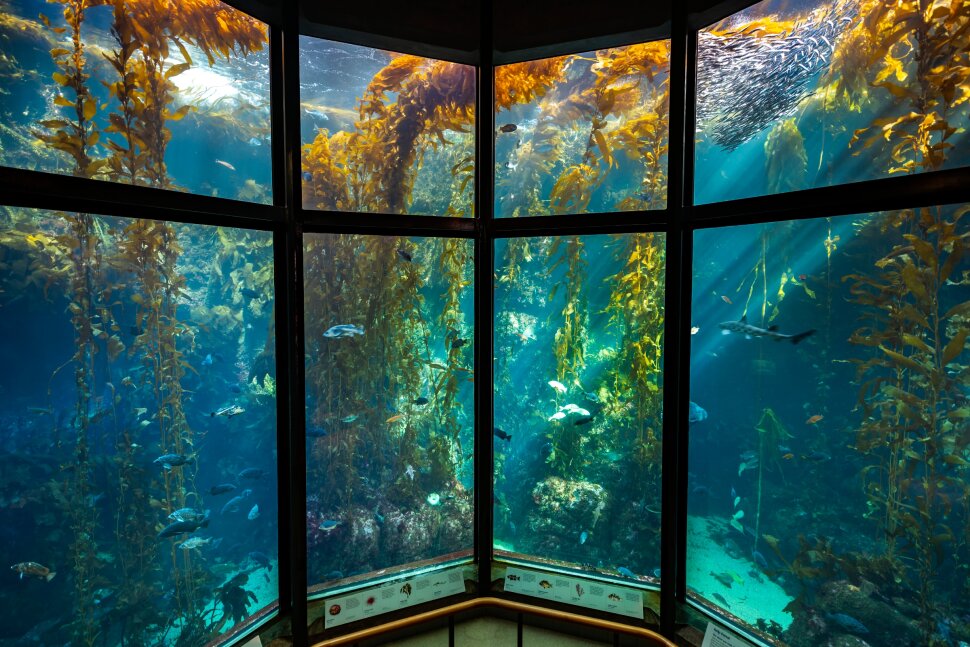
Monterey Bay Aquarium. Located in Monterey, California, this aquarium is a must-see if you are in the area. Be sure to attend a penguin feeding.

Courtesy of Monterey Bay Aquarium

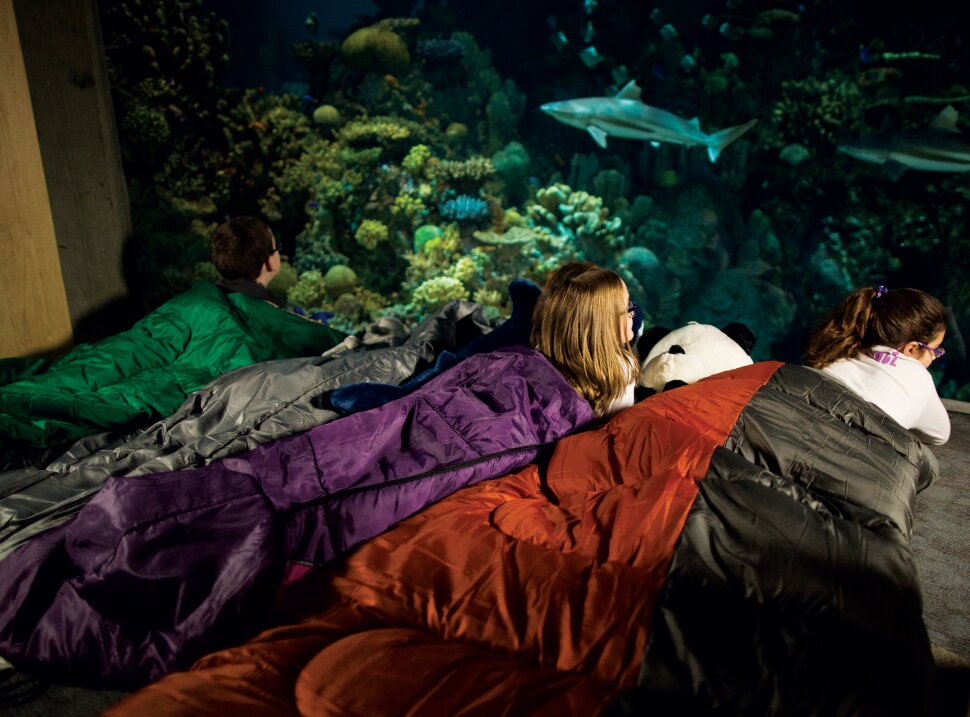
National Aquarium in Baltimore. Visitors can sign up to watch a dolphin training session . . . check out the jellyfish exhibit . . . or even sleep overnight in the aquarium.

📸 Chris Mattle / Courtesy National Aquarium of Baltimore

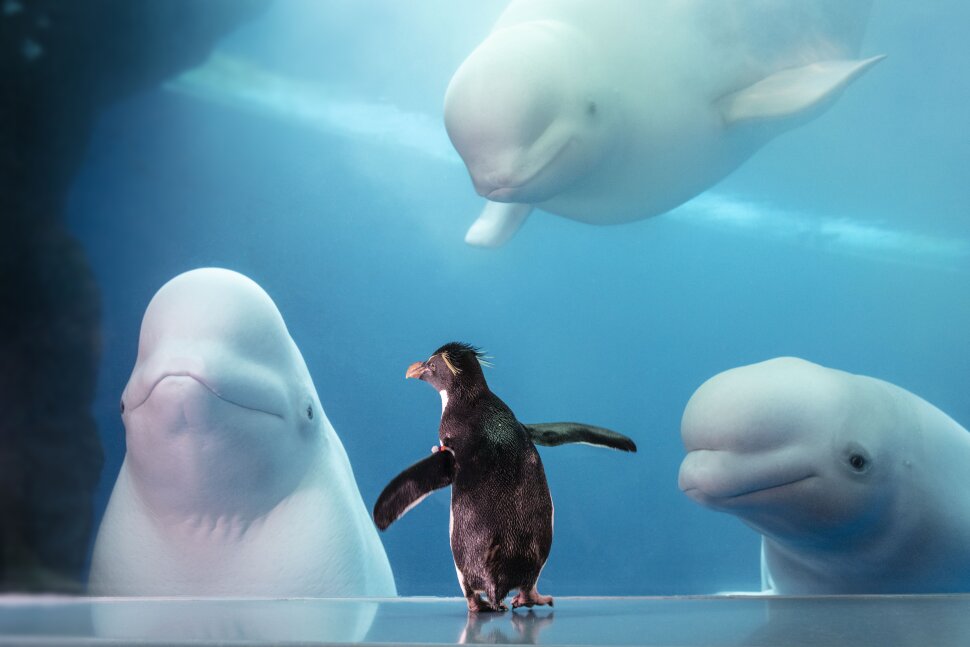
Shedd Aquarium in Chicago. The animal encounter experiences here are next level. You can check out the beluga whales from both underwater and above water viewing areas.

Courtesy of Shedd Aquarium

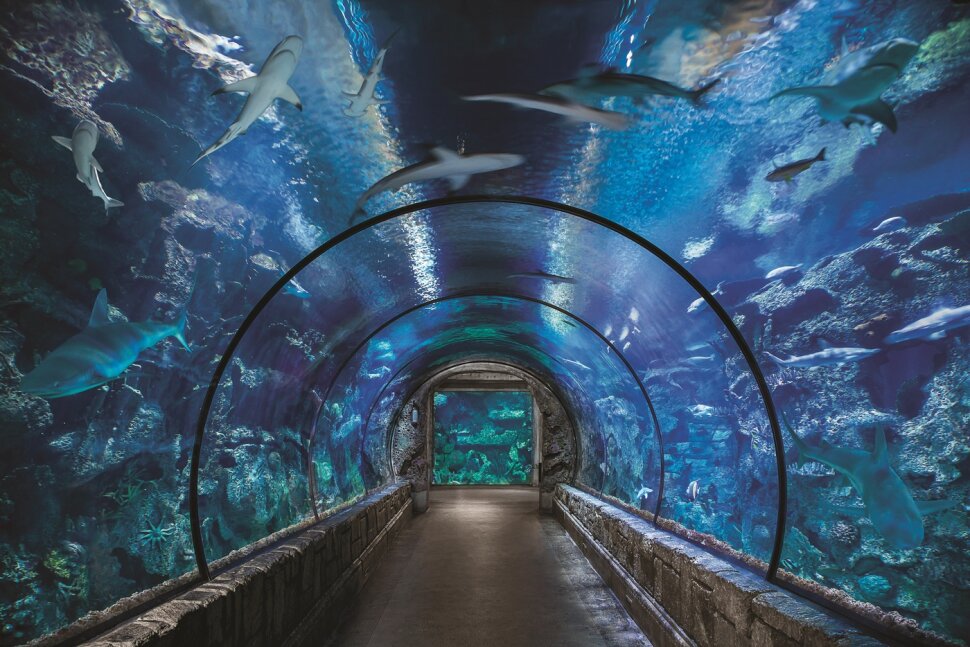
Shark Reef Aquarium at Mandalay Bay in Las Vegas. Aquariums might not be the first thing you think of when Vegas comes up, but this one is pretty special. You can feed a zebra shark while you’re there . . . or check out the Virtual Reality 3D Theater, in case you ever wanted to know what it was like to swim next to a humpback whale.

Courtesy of MGM Resorts

10 Things That Happened 10 Years Ago: July 27-Aug 2

Deflategate, lion hunters, and robot murder. Here’s what was in the news 10 years ago this week.

A lion-hunting dentist from Minnesota became the most-hated man in America

Americans heard that earlier in July, a Minneapolis dentist named Walter Palmer had paid a guide in Zimbabwe $50,000 to help him hunt and kill a lion. The University of Oxford had been tracking Cecil the lion – one of the most famous lions in Africa – since 2008 as part of a research program. Palmer and his guides lured Cecil out of a protected area onto private property in order to make the hunt legal. He never faced charges in Zimbabwe or the U.S.


Tom Brady’s Deflategate suspension was upheld

NFL Commissioner Roger Goodell upheld a decision to suspend the Patriots QB for four games, and revealed Brady had destroyed a cell phone that may have held evidence about the incident. Brady was accused of having footballs under-inflated for the AFC Championship Game earlier that year. The Patriots also lost two draft picks and had to pay a $1 million fine.


Philadelphia murdered a hitchhiking robot

Researchers at Ryerson University in Toronto wanted to see if a robot could hitchhike from Boston to San Francisco. (It had already made similar trips across Canada and Germany.) The robot – named hitchBOT – was able to answer simple questions, and they scrawled “San Francisco or Bust” on him. The hope was that random people would shuttle him across the country. But two weeks in, he was found stripped of his parts and decapitated in Philadelphia.

R.I.P., hitchBOT.


“Rowdy” Roddy Piper Died at 61

The brash, kilt-wearing wrestler – real name, Roderick Toombs – played the ultimate foil to WWF hero Hulk Hogan in the ‘80s and ‘90s. TMZ reported Toombs died in his sleep of cardiac arrest on July 31, 2015. Hogan would pass away (also from cardiac arrest) almost exactly 10 years later on July 24, 2025.


“Rowdy” Ronda Rousey was dominating women’s UFC

She won her fight against Bethe Correia on August 3, 2015 in 34 seconds after winning her previous two fights in under 20 seconds. But it would prove to be her last UFC win. She lost her next fight later that year (the first loss of her career), then lost again in 2016 before retiring due to concussion concerns.


“Left Shark” made a cameo at a Taylor Swift concert

A dancer in a shark costume popped up behind Taylor at a show in Massachusetts six months after the infamous Katy Perry Super Bowl performance. Katy and Taylor were feuding, so fans saw it as some sort of dig. But others said it was an innocent prank by one of Taylor’s dancers and had nothing to do with Katy or Left Shark.


Billy Corgan was sad at Disneyland

A photo of the Smashing Pumpkins frontman went viral, showing him on Disney’s Big Thunder Mountain looking less than thrilled.


“Key & Peele” pulled the plug

Season 5 had just started when Jordan Peele and Keegan-Michael Key announced there wouldn’t be a Season 6. Comedy Central aired 53 episodes between 2012 and 2015. Peele went on to win the Academy Award for Best Original Screenplay for his horror movie “Get Out” in 2019.


Jose Canseco came up with a weird way to support Caitlyn Jenner

He vowed to spend a full week living as a woman – including wearing dresses and makeup – as a way of “supporting” Caityln Jenner’s transition. To many people, it seemed more like an ill-conceived publicity stunt. Canseco was in the midst of launching an internet reality show called “Spend a Day with Jose” that never materialized.


The teaser for “Zoolander 2” hit YouTube

The original had become a cult classic, and writer/director/star Ben Stiller had high hopes for the sequel. But critics panned it, and audiences were underwhelmed. It earned $57 million worldwide, but cost $50 million to make.

Heat Wave Google Searches Reveal What’s Really On Our Minds When It’s Hot AF

With yet another heat dome smothering much of the U.S. this week, it’s no surprise that Americans are frantically Googling their way through the sweat. Google Trends dug into our collective panic and revealed the top heat-related questions we’ve been asking lately—and they’re exactly what you’d expect from a nation slowly turning into a baked potato.

Here are the five most-Googled heat wave questions from the past month:

1. What temperature is considered extreme heat?

It depends on where you live. In Phoenix, 95 degrees might be your average Tuesday. In Seattle, it’s a heat emergency. There’s no universal number—local health officials decide based on regional norms and how likely the temperature is to pose a health risk.

2. Why does extreme heat make you so tired?

Turns out your body’s working overtime just trying to stay cool. Dehydration is a major culprit too. Add in crummy sleep from tossing and turning in the heat, and it’s no wonder you’re dragging through the day like a wilted houseplant.

3. How do you prepare your body for extreme heat?

Hydration is key. Start hydrated and keep it going with plenty of fluids. Lightweight, loose-fitting clothes also help. Bonus points if your outfit says, “I’m melting, but fashion still matters.”

4. Does hot weather affect type 2 diabetes?

Yes, and it’s a double whammy. People with diabetes are more prone to dehydration, which can raise blood sugar. That leads to more peeing, which leads to more dehydration. Heat can also mess with insulin, so it’s important to check your blood sugar more frequently in high temps.

5. Is hot weather bad for pregnancy?

Definitely. Pregnant people already have a tougher time regulating body temperature and staying hydrated. That puts them at higher risk for heat exhaustion and heat stroke. In other words: growing a human in a heat wave is next-level hardcore.

Bonus Googled Curiosity:

“What are visible heat waves called?” You know those wiggly lines that hover over hot pavement? They’re typically called heat haze or heat shimmer. And that mirage in the distance that looks like a lake? It’s just your brain playing tricks on you.

So if you’re melting this week, just know you’re not alone—and that millions of other sweaty souls are also turning to Google for answers and a little peace of mind. Stay cool, stay hydrated, and maybe don’t wear jeans.

Gen Z Answers the Phone By Not Saying “Hello”?

Recruiters are talking, and Gen Z is… not. Literally.

A viral social media post from a recruiter has sparked a very modern etiquette debate: Why are so many Gen Z candidates answering phone interviews with total, unnerving silence?

The recruiter explains she does tons of scheduled phone interviews, and she’s noticed a specific trend among younger applicants.

She’ll call right on time… calls they scheduled, with her number… and they’ll answer… and just breathe. No “hello,” no “hi, this is Taylor,” not even a confused “…yeah?”

Just ambient breathing and maybe a faint TikTok video playing in the background.

To be clear, she’s not slamming them. She says it’s not a deal-breaker, just weird.

A Millennial hopped into the conversation to explain why this freaks people out: “Saying ‘hello’ isn’t just polite. It’s how you confirm you’re a human who picked up the phone, not a haunted voicemail system.” (Rough paraphrase, but you get it.)

There are a few theories about why Gen Z doesn’t say hello. For one, they probably never grew up with landlines, so nobody taught them the sacred ritual of answering with, “Hello, this is [your name].”

Also, they mainly text. Phone calls are already borderline terrifying for some Gen Z’ers. Combine that with a lifetime of spam calls and AI bots, and you get a generation that treats every ring like it might be a trap.

The post has stirred up reactions ranging from “who cares?” to “this is why we can’t have nice things.” Some people think it’s just a new normal, while others believe that if you’re interviewing for a job, you should probably start the call like you’re not being held hostage by an invisible demon.

42% of Dog Owners Say the Best Part of Vacation Is… Coming Home to Their Dog

For dog people, traveling is basically a countdown to getting home and being smothered in fur and slobber.

A new survey of 2,000 dog owners confirms what every pet parent already knows: the highlight of any vacation isn’t the beach, the food, or the overpriced souvenirs… it’s that tail-wagging, zoomie-filled reunion at the front door when they return from the trip.

Here’s how obsessed we are with our dogs:

🐶 42% say coming home to their dog is the best part of the trip
🕐 53 minutes is how long it takes before the average person starts missing their pup
🧠 13 times a day is how often people think about their dog while traveling
📱 19% have asked a pet sitter to put the dog on the phone
📹 17% have FaceTimed their dog
🧳 76% say summer travel plans depend on whether they can find good dog care
😭 22% say missing their dog can ruin their trip
🔮 1 in 5 claim they “always” know what their dog’s going to do before they do it

People also have plenty of vacation anxiety when it comes to their dog.

  • 40% of dog owners say they constantly worry about their pup while traveling
  • 32% don’t trust anyone else to understand their dog’s quirks
  • 34% are afraid their dog won’t get enough love
  • And the same number worry their dog won’t get enough walks or playtime

We’re so deep in the dog-parent lifestyle that 40% of us worry more about the dog’s needs than our own. (Only 19% say the reverse, which feels like a lie.)

But here’s the kicker: while we’re focused on belly rubs and ball tosses, only 28% think about giving their dog mental stimulation, and just 29% prioritize socialization. That’s like feeding your kid lunch but never letting them go to recess or read a book.

Moral of the story: If you’re going to leave your dog behind, make sure they’re living their best life too… because odds are, you’re the one who’s going to suffer more.

The Perfect Gift for Kids? A Candy Bar and Cash

If you’re the kind of person who shops early, picks out meaningful gifts, and even wraps them with precision… this isn’t for you.

But if you’re more of a last-minute, “oh no the birthday party is TODAY” type, this might just change your life.

A writer for Slate recently shared her accidental discovery of the ultimate kid gift: a candy bar and a $20 bill.

It started as a desperation move. She forgot to buy a gift for a kid’s birthday party and, in a panic, slapped a $20 bill around a Kit Kat.

She figured it looked lazy compared to the other gifts the kid would get. But surprise! The kid lit up and shouted, “Money AND candy?” Instant win.

Even better, the parents followed up later to say it was his favorite gift. They loved it too—because it wasn’t another plastic toy they’d trip over by Tuesday.

Now it’s her go-to gift for every birthday, holiday, or kid-adjacent event. Zero stress. No wrapping.

No guessing what a 9-year-old’s into this month. And no fear of being the person who buys a duplicate LEGO set.

It’s simple, it’s sweet, and it spends well. So next time you’re at a gas station on the way to a birthday party, grab a Hershey’s and 20 bucks. You’ll look like a genius.

Turns Out Most of Your Days Are Better Than You Think… Literally

Feeling like life’s been a blur of blah lately? You might be selling your days short.

According to a new nationwide survey, the average American racks up 252 “good days” per year. That’s about five out of every seven days. Not too shabby for a population that frequently doom-scrolls and stress-snacks.

The study, commissioned by Icelandic Provisions (yes, the yogurt people), dug into how we define a “good day” and found that the mood-boosting magic often comes down to a few small things: a positive outlook, laughing at the little stuff, quality family time, exercise, and eating healthy.

And most of us know how our day’s going to go by 8:30 a.m., which honestly checks out.

The Happiest States in the U.S.

Here’s where it gets interesting… your zip code might play a role in your daily mood stats.

Florida (yes, Florida) tops the list with the most good days per year at 276, or about 76% of the time. Who knew gator country was secretly thriving?

Other states with above-average good vibes include Massachusetts, Rhode Island, New Jersey, Delaware, Georgia, South Dakota, Wyoming, Idaho, Oregon, Nevada, and Hawaii.

On the flip side, Kentucky, Vermont, and Connecticut reported the fewest good days at 228 a year… still a solid 62%, but noticeably lower.

Some other big-name states like California, Texas, and Pennsylvania fell below the national average, along with 10 others including Ohio, Virginia, and Iowa. The rest of the country? Smack dab in the middle.

So What Counts as a Good Day?

The biggest takeaway? You’re probably having more good days than you realize. They might not always involve champagne corks or Instagram-worthy sunsets… but if you’re laughing, moving your body, eating decent food, and spending time with people you care about, that counts.

Exit mobile version