20 Pop Culture Moments Turning 20 in 2026 That Will Make You Feel Extremely Old

If you enjoy feeling young, maybe sit this one out.

If you enjoy realizing time is a thief that moves way too fast, welcome. In 2026, a whole bunch of pop culture moments officially turn 20 years old, which means the year 2006 is now filing for nostalgia benefits.

Let’s rewind to a time when flip phones ruled, jeans were aggressively low-rise, and nobody knew what a tweet was supposed to be.

In movie theaters, 2006 was a monster year. Pixar dropped “Cars”, which somehow turned sentient vehicles into an emotional experience. “Pirates of the Caribbean: Dead Man’s Chest” packed theaters and reminded us Johnny Depp’s Jack Sparrow was still unstoppable. And on the small screen, “High School Musical” premiered on Disney Channel, quietly launching a franchise that would dominate tweens, soundtracks, and Halloween costumes for years.

Music that year was absolutely everywhere. Justin Timberlake brought sexy back, Shakira’s hips famously did not lie, and Gnarls Barkley’s “Crazy” was impossible to escape.

Add in the “High School Musical” soundtrack, and 2006 basically lived on the radio and in burned CDs.

Television also had a huge glow-up. “Dexter” debuted and made America root for a serial killer. “Heroes” arrived with the promise that anyone could be special, at least for one very intense season. “Psych” premiered too, delivering crime-solving with pineapple jokes and an impressive number of pop culture references.

Then science came along and ruined everything by demoting Pluto. In 2006, it officially lost its planet status, creating one of the longest-running arguments in classrooms and on the internet. Pluto has never emotionally recovered.

That same year brought heartbreaking news when Crocodile Hunter Steve Irwin was killed by a stingray, a moment that stunned fans around the world and left an entire generation afraid of shallow ocean water.

Britney Spears also had a rough year under an intense media microscope.

She filed for divorce from Kevin Federline in 2006, kicking off a very public downward spiral that would peak the following year with her shaved-head-umbrella-wielding rampage. The coverage was relentless and cruel, even by early 2000s standards.

In gaming, the Nintendo Wii launched and changed living rooms forever. Suddenly your grandma was bowling, and nobody could find the wrist strap.

And finally, Twitter debuted on March 21, 2006. Back then it was just a weird little idea. No one knew it would eventually reshape news, politics, pop culture, and everyone’s blood pressure.

And yes, all of that was 20 years ago. You’re welcome.

Only One of These Emojis Will Be Added – Which One Would You Use More?

It’s emoji showdown time, and there can be only one.

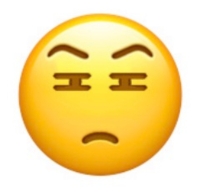
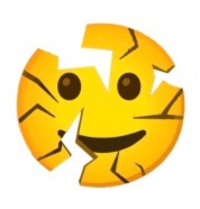
Two contenders are currently battling it out for a spot on your phone’s emoji keyboard: Face with Squinting Eyes vs. Cracking Face. Only one is expected to make the final cut this year, so the question is… which one would you use more?

The Unicode Consortium – a group of very serious people who decide which emojis get added – will pick the eventual winner. It’s like The Emoji Bachelor, and only one face gets the final rose.

Squinting Eyes was originally selected, but now they’re having second thoughts and may replace it with Cracking Face.

Let’s meet the contenders.

Squinting Eyes

It’s giving “Wait, what am I looking at?” or “That can’t be right…”. It could mean you’re confused, suspicious, trying to read tiny print, or just throwing a little side-eye without going full shady. It’s a little redundant with the monocle emoji, but more casual. Kind of like the monocle emoji’s skeptical little brother who doesn’t own a monocle, but does squint at receipts. 🧐

Cracking Face

This one looks like someone dropped it on the floor. It’s meant to symbolize feeling damaged or broken – physically, mentally, or spiritually – but still holding it together. Think: “I’m barely functioning, but I’m here!” They also expect it to get used sarcastically, which feels on-brand.

Which one would you use more?

So, what’s it gonna be? The “I’m not buying it” squint? Or the “mentally shattered, but here for it” cracked face? One is skeptical, the other unhinged – but both are relatable this day and age. (For our money, it seems like Squinting Eyes offers a little more bang for its buck. But it’s hard to argue the average person isn’t feeling somewhat shattered these days.)

It sounds like Cracking Face could be the eventual winner, but you never know which way the top brass at Unicode might go. They’re the same folks who OK’d the Dotted Line Face emoji (🫥) that no one has ever used, so they’re hard to read and don’t always make the obvious choice.

Eight More Emojis We’re Definitely Getting Soon

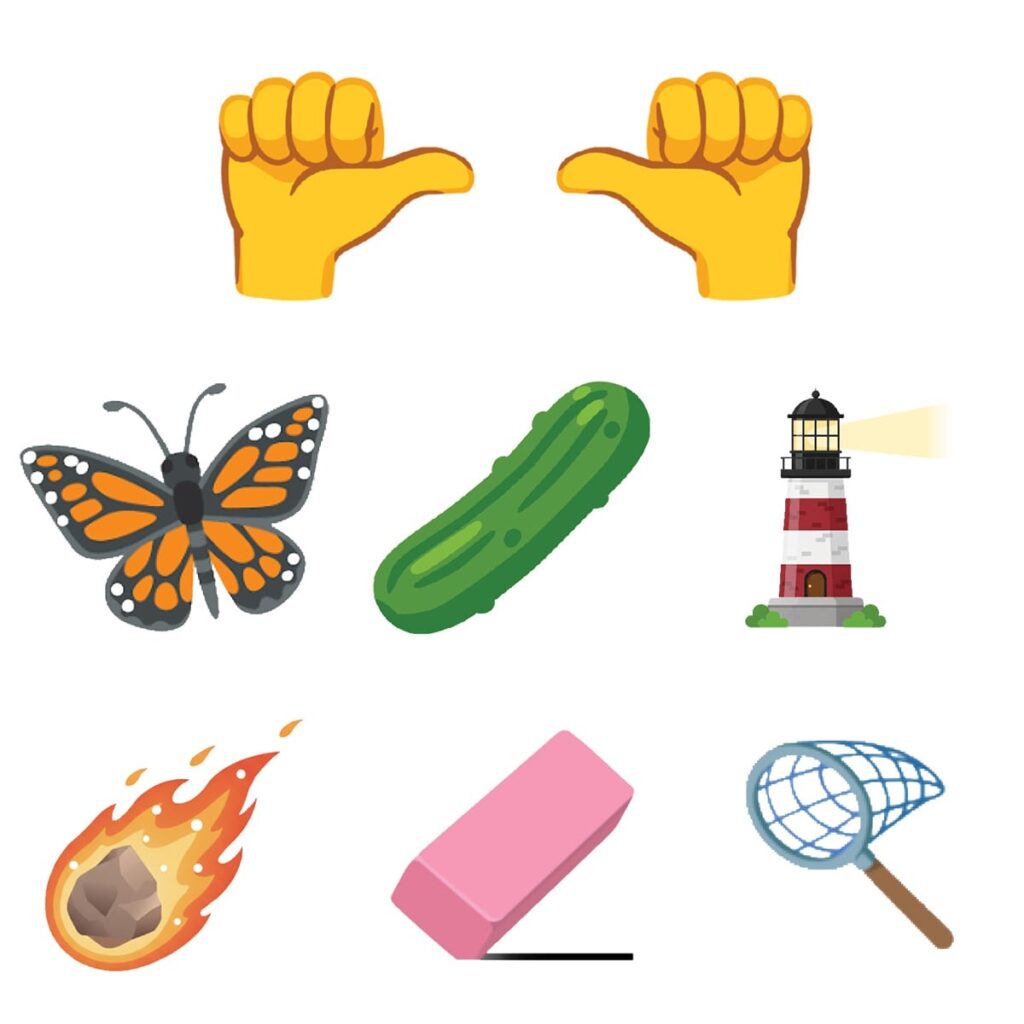
The rest of the new emojis on the docket seem to be safe and sound on the final list. Here are the other eight we’ll probably be seeing when the update rolls out in early 2027. (Yep, emoji approval is a slow process.)

Want to Look Younger and Live Longer? Drink More Water

If you need another reason to refill your water bottle today, here it is.

A new study suggests that chronic dehydration does not just make you feel lousy, it can make you look older and may even shorten your life. Suddenly that half-finished glass of water on your desk feels a lot more important.

According to research published in The Lancet, middle-aged adults who do not drink enough water are significantly worse off in a couple of very unsettling ways.

The study found that people who were chronically dehydrated were about 20% more likely to die earlier than those who stayed properly hydrated.

That alone is a pretty strong argument for paying attention to your water intake. But if we are being honest, the second finding might hit even closer to home for a lot of people.

The same study found that dehydrated adults were 50% more likely to show signs of early aging. Yes, dehydration can apparently come for your lifespan and your face at the same time.

Researchers tracked participants for 25 years, starting when everyone was over the age of 45. Over time, the least hydrated people were far more likely to show visible signs of aging, including sunken eyes, sunken cheeks, and dry skin. In other words, the kind of look that usually sends people running to expensive creams, serums, and filters.

The health effects did not stop at appearance. The dehydrated group was also more likely to have high cholesterol and high blood pressure. Those issues help explain why the same group had a higher risk of dying earlier than their well-hydrated counterparts. It turns out water is doing a lot more heavy lifting in your body than just helping you survive workouts or salty meals.

What makes this study especially interesting is how long researchers followed people. A 25-year window offers a rare look at how everyday habits add up over time.

Skipping water here and there does not seem like a big deal in the moment, but decades of it can quietly stack the deck against you.

So whether your main motivation is living longer, looking younger, or ideally both, the takeaway is pretty simple. Drinking enough water is one of the easiest things you can do for your health, and apparently for your face too. Your future self, and your skin, will thank you.

10 Things That Happened 10 Years Ago: Jan 18-24

Frozen jeans, “smartphone pinky,” and drunk cartoons. Here’s what was in the news 10 years ago this week.


Freezing Jeans Trend

In 2016, people were literally freezing their pants – wetting jeans, propping them up outside, and letting frigid temps sculpt denim statues on sidewalks. It was the Internet at its weirdest: part laundry hack, part art project, and mostly just a great way to confuse your neighbors.


Eagles Co-Founder Glenn Frey Passes Away

The music world lost a legend in January 2016 when Glenn Frey of the Eagles passed away at 67. As a founding member, he helped define the sound of classic rock. Suddenly, “Take It Easy” and “Desperado” hit a little harder.


Zac Efron’s MLK Tweet Apology

Zac Efron got dragged in 2016 for turning MLK Day into a weird flex about his social media follower count: “I’m grateful for a couple things today: Martin Luther King Jr., and 10 million followers.”After the backlash, he quickly apologized—reminding us that no matter how handsome you are, sometimes it’s best to just log off and say nothing.


Smartphone Pinky

A new affliction emerged in 2016: “Smartphone Pinky.” People claimed their pinky fingers were becoming dented and deformed from holding giant phones. Was it science? Was it TikTok-level drama? Either way, our grip strength and self-esteem haven’t been the same since.


Will & Jada Boycott the Oscars

The 2016 Oscars faced major heat over a lack of diversity, prompting Will and Jada Pinkett Smith to publicly boycott the ceremony. It sparked the #OscarsSoWhite movement and lit a fire under Hollywood’s long-overdue diversity conversation – six years before the Chris Rock slap took over the narrative.


Jamie Foxx Saves a Guy from a Burning Truck

In a real-life action scene, Jamie Foxx pulled a man from a burning truck near his home in 2016. No stunt double, no script – just Jamie being a literal hero.


Squidward Gets a DUI

Rodger Bumpass, the voice of Squidward from SpongeBob, was arrested for DUI in Burbank, California. Thankfully, no one was hurt, and the underwater clarinet survived another day. Nickelodeon decided not to fire him for it.


Jamie-Lynn Sigler Reveals 15-Year M.S. Battle

In 2016, Sopranos star Jamie-Lynn Sigler revealed she’d secretly been battling multiple sclerosis for 15 years. Fans were stunned – she’d kept it quiet through red carpets, roles, and press tours. Her honesty shed light on invisible illness and proved she was tougher than any mob princess.


Buddhist Monk Slashes Tires Over Dead Bug

A Buddhist monk in Thailand slashed nearly 200 car tires… because he accidentally killed a bug and couldn’t handle the karma. It was a spiritual crisis turned slash-happy meltdown, proving even monks have their breaking point.


Chocolate on Fries at McDonald’s

McDonald’s Japan debuted “McChoco Potatoes” – fries drizzled with white and milk chocolate. Americans looked on, half horrified, half hungry, wondering when our fries would get the dessert treatment. (Spoiler alert: That day never came.)

10 Everyday Habits That Are Disrespectful

We all have pet peeves, but some bad behaviors go beyond just being annoying.

People were asked to name everyday things that are straight-up disrespectful. And once you see the list, you’ll probably agree… yeah, these are the folks making the world just a little more frustrating than it needs to be.

1. Leaving stuff in the wrong aisle at the store

Changed your mind about that frozen pizza? Cool. But maybe don’t leave it next to the shampoo. At least hand it to the cashier instead of abandoning it to melt.

2. Letting your kids go wild in public and doing nothing about it

The phrase “they’re just a kid” doesn’t fly when your toddler is screaming into someone’s face or kicking over display stands.

3. Ignoring quiet hours

Late-night karaoke in your apartment or revving your engine at 1:00 AM? Not cute. Respect your neighbors’ sleep.

4. Cruising in the left lane like it’s your personal slow lane

If you’re not actively passing someone, move over. Left lane squatting is a modern-day highway crime.

5. Parking where you shouldn’t

Curbside pickup spots, accessible parking, or EV-only chargers aren’t just suggestions. Parking there when you shouldn’t? Big jerk energy.

6. Not flushing the toilet in public restrooms

Why is this even on the list? Because it still happens. And it’s gross. Stop it.

7. Leaving a mess in shared spaces

Whether it’s the office breakroom, a park bench, a movie theater, or a fitting room, clean up your stuff. You’re not the only human who uses those places.

8. Stopping in the middle of a busy walkway

Airports, sidewalks, malls – there’s a fast lane for foot traffic too. Don’t just freeze in the middle. Step aside and let the world keep spinning.

9. Tailgating

Especially if someone’s already going the speed limit (or faster), tailgating makes you dangerous and rude. And from an insurance perspective, if they suddenly hit the brakes, you are the one at fault, not them.

10. Sneezing or coughing without covering up

This one really hit a nerve post-pandemic. And yes, spitting on sidewalks made the list too. Just… why?

Bonus: Loud phone talkers in public

It got plenty of mentions… but most people seem to have accepted that battle is already lost.

Pop Culture Has Basically Ruined These Once-Normal Baby Names

Baby names and pop culture are now permanently intertwined, and Lifehacker.com just proved it with a list of once-normal baby names that pop culture completely hijacked.

These are names that used to blend right in at roll call. Now they come with baggage, memes, and nonstop jokes.

Take Karen. Once a perfectly nice, friendly-sounding name, it is now internet shorthand for an entitled, rule-obsessed white lady who demands to speak to the manager. That reputation is not going away anytime soon.

Mario is another casualty. Before video games ruled the world, Mario was just a name. Now it is nearly impossible to separate it from a mustached plumber who jumps on turtles and yells “It’s-a me!”

Chad followed the same meme-heavy path as Karen. It has become shorthand for an aggressive alpha dudebro stereotype, whether that is fair or not to all the perfectly normal Chads out there.

Some names were taken down by major events instead of memes.

Katrina is a big one. Hurricanes rarely ruin human names, but Hurricane Katrina was so devastating that the association stuck permanently.

Then there is Hermione. Before Harry Potter, it was considered unusual but elegant. Now it screams wizard, wand, and Gryffindor house pride, whether parents intend that or not.

Adolph is in a league of its own. It is arguably the most negatively associated name of all time, and it never recovered.

Technology has also entered the baby name battlefield. Siri and Alexa are now known as digital assistants that listen to you at home, which makes yelling your child’s name in public feel a little weird. Siri was never exactly common, but Alexa absolutely was.

Some names just fell victim to language itself. Dick and Fanny were once standard names, but slang had other plans.

Donald now carries unavoidable associations too, both political and cartoonish, thanks to Donald Trump and Donald Duck. Waldo will forever invite “Where’s Waldo?” jokes, and Damien has been linked to supernatural evil ever since “The Omen” terrified audiences in 1976.

And finally, Guy. No single pop culture villain here, it is just become the ultimate generic placeholder, as in “just some guy,” unless you are thinking about Flavortown.

Moral of the story: when naming a baby, you are not just naming a person. You are naming a future adult who will live with everyone else’s pop culture references forever.

The Kids Science Kit That Came With Real Uranium Recently Sold for $16,500

A PlayStation 5 is a great gift, sure. But it probably will not scramble your DNA or give you a fun introduction to radioactive materials. Kids in the early 1950s, however, had options.

One of the most dangerous toys ever sold just went up for auction in December of 2024, and someone paid more than $16,000 to own it. The item is called the Gilbert U-238 Atomic Energy Lab, a kids science kit from 1950 that came with something you would absolutely never find in a toy aisle today: Actual uranium.

The kit was created by A.C. Gilbert, the same guy behind Erector Sets. At the time, America was obsessed with science, nuclear power, and anything that sounded futuristic. So naturally, someone thought, “What if we gave kids radioactive material and called it educational?”

The Atomic Energy Lab included four small glass jars, each containing a tiny amount of radioactive material.

Kids could use the included Geiger counter to measure radiation levels at home, which sounds less like a toy and more like the opening scene of a superhero origin story. Technically, it was considered safe as long as the jars stayed sealed. Playing with the kit still exposed users to about as much radiation as you would get from spending a full day in the sun.

That said, common sense suggests at least one kid absolutely opened those jars. Possibly multiple kids. Possibly while snacking.

The set has long been called one of the most dangerous toys ever sold. Radar Magazine once ranked it the second most dangerous toy of all time, losing the top spot only to lawn darts, which feels like a fair fight.

The Gilbert U-238 Atomic Energy Lab was only sold for a short time between 1950 and 1951, and it sold for $49.50 . . . which is is around $650 today.

Fewer than 5,000 kits were ever made. It was eventually pulled from the market due to government restrictions and the increasing difficulty of sourcing uranium, which is probably for the best.

Today, full kits are extremely rare, especially ones in good condition.

So if you are struggling to figure out what to get someone who already has every gaming console known to man, just remember, there was a time when parents wrapped up radioactive science kits and put them under the Christmas tree. And somehow, humanity survived.

Is 2026 the New 2016? #BringBack2016 Is Trending

It is 2026, and somehow the most cutting-edge trend on social media is… 2016. Yes, really. A full decade later, people are flocking back to peak Obama-era internet vibes under the hashtag #BringBack2016.

According to TikTok, searches for “2016” have jumped a ton, and more than 55 million videos have recently been made using 2016-style filters. And Spotify reports a massive spike in playlists labeled “2016.” The internet has officially decided skinny jeans, Vine energy, and unhinged joy are back on the menu.

Sure, old trends becoming new again is nothing shocking. Fashion, music, and pop culture are built on nostalgia cycles. But usually that takes a generation or two. This time, it only took ten years, which feels suspiciously fast. Something clearly broke along the way.

There is no single explanation for why 2016 is trending again, but one popular theory is that Gen Z is already over 2026 and wants a full-on cultural factory reset. Early 2016 is being remembered as a time when things felt simpler, and more optimistic.

The internet was still chaotic, but in a fun way, not a soul-sucking way.

This revival is not just about throwback fashion or blurry filters. People are bringing back old-school social media challenges… along with the music, memes, and overall vibe of that era.

The current online landscape is bloated with A.I. junk. Social media now feels heavily curated, overly edited, and aggressively performative. Everything looks promoted, optimized, and just a little too polished to feel real.

Back in 2016, feeds were messier and more spontaneous. Videos were bad on purpose. Trends felt organic. Not everything was trying to sell you something or go viral through an algorithmic obstacle course.

So for now, people are rewinding the clock, chasing an internet that felt more human and less exhausting.

(And if you are already feeling nostalgic, the latest of the weekly “10 Things That Happened 10 Years Ago” series is live on TheTopicalFruit.com.)

Your Favorite Band Was Probably Locked In by 7th Grade, and That Explains a Lot

If someone played the music you were obsessed with in seventh grade, would you proudly sing along or immediately ask them to turn it off?

According to a new survey, there is a very good chance that the songs you loved back then are still shaping your tastes today, whether you want to admit it or not.

Ticketing company TickPick surveyed more than 1,000 people and asked when they first heard their all-time favorite band. The average answer was age 13, which lines up almost perfectly with seventh grade. In other words, your musical destiny was probably sealed around the same time you were figuring out lockers, awkward crushes, and how to survive middle school.

That age also lines up with another milestone. People said they were first exposed to explicit music at around 12 and a half. So right as music started getting a little more rebellious, it also became a lot more meaningful.

That combination might explain why those early favorites stick so hard.

When it comes to what actually shaped people’s music tastes growing up, friends were the biggest influence by far. Sixty-six percent of respondents said their friends played the biggest role. Radio came in next at 59%, followed by movies at 52%. Parents also mattered more than you might expect, with 48% citing their father and 45% their mother as influences. TV, concerts and festivals, and siblings rounded out the list.

Speaking of siblings, nearly half of the people who said a sibling influenced their music taste admitted it was usually an older sibling introducing them to music their parents probably would not have approved of. That feels like a timeless tradition. Big brothers and sisters have been sneaking questionable CDs and playlists to younger siblings forever.

Parents, meanwhile, are not exactly subtle about their musical opinions. Sixty-four percent said they have actively tried to influence their kids’ musical tastes.

Indie rock parents are the most aggressive about it, with 75% admitting they try to pass their favorite artists on to their kids. Fans of hard rock were close behind at 69%, followed by jazz lovers at 67%.

Classic rock, heavy metal, country, and folk fans all landed at 64%. On the other end of the spectrum, punk rock and pop fans were tied at 62% for being the least likely to push their tastes on their kids. The thinking there is probably that kids will find those genres on their own anyway. There is a reason Hot Topic somehow refuses to die.

Among parents who do try to influence their kids, 23% said it was important that their kids like their favorite artists, while 27% said it was important their kids like their favorite genres. Truly, the stakes have never been lower, and yet the passion remains high.

So if you still love the same bands you discovered in middle school, you are not stuck in the past. You are just extremely normal.

Soccer Knocks Baseball Out of America’s Top Three Favorite Sports

Sorry, baseball. Your long run as America’s third favorite sport is officially over.

A new poll from The Economist shows soccer has moved ahead of baseball in the U.S. popularity rankings, marking a pretty big shift in how Americans say they feel about sports right now. Football is still the undisputed king, basketball remains comfortably in second place, but the real drama happens just below that.

According to the poll, American football is the clear favorite sport in the country, with 36 percent of respondents saying it’s their top choice. That’s not shocking. Sundays still belong to the NFL, not to mention Mondays and Thursdays. And Saturdays are all about college ball.

Basketball comes in second with 17 percent. Again, no surprise there. The NBA has massive star power, a strong social media presence, and games that fit nicely into highlight clips and group chats.

Here is where things get interesting.

Soccer now sits in third place, with 10 percent of Americans naming it their favorite sport. Baseball comes in just behind it at 9 percent. It is a slim margin, but enough to officially bump baseball out of the top three.

That shift feels symbolic. Baseball has long been tied to the idea of America’s pastime, even if that label has been debated for years. Meanwhile, soccer’s rise has been steady. Major League Soccer keeps expanding, international leagues are easier than ever to watch, and younger fans have grown up seeing soccer as a normal part of the sports landscape instead of something “foreign.”

Hockey lands in fifth place, with 4 percent of Americans calling it their favorite sport. After that, things get crowded. Tennis, boxing, and MMA all tie at 3 percent, followed by golf at 2 percent.

None of this means baseball is disappearing, of course.

It still has a massive history, loyal fans, and a long season that fills summer nights. But the poll does suggest that cultural momentum is shifting. Faster-paced sports, global stars, and constant access through streaming and social media are changing how people choose their favorites.

For soccer fans, this is a big moment. For baseball fans, it might sting a little. Either way, America’s sports pecking order is no longer as predictable as it once was.

Exit mobile version