ZZZ- Old Home Page & Posts Page

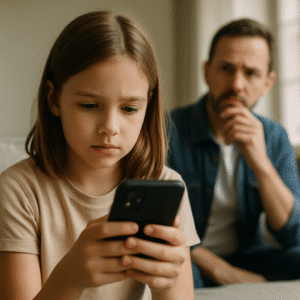
The Top Questions Kids Google About Adults

From budgeting to packing hacks, here’s everything you need to know to make travel stress-free and enjoyable.

Google just dropped some more of its eye-opening (and occasionally soul-crushing) data about what people have been searching lately—and this batch focuses specifically on adults. More precisely, what kids are Googling about adults.

It turns out that when kids go online to figure us out, they’re not exactly pulling punches. Google Trends revealed two Top 5 lists of questions starting with “Why are adults so…” and “Why are adults always…”

The results are a blend of confusion, concern, and pure teenage side-eye. 👀

Top 5 Questions Starting with “Why Are Adults So…?”

“Why are adults so mean?”

From a kid’s point of view, “mean” often translates to “won’t let me do what I want.” Whether it’s saying no to junk food, enforcing bedtime, or insisting on homework before screen time, parents and teachers can come off as the villains in a child’s daily drama. But behind every “mean” adult is usually someone trying to teach boundaries—even if it doesn’t always feel that way to the person being told “no.”

“Why are adults so obsessed with Disney?”

This one might not just be kids asking—it’s possible some adults are Googling it about themselves. For younger people, it can be strange to see grown-ups watching cartoons, collecting themed merch, or planning entire vacations around Disney parks. But for many adults, Disney represents a connection to childhood joy, nostalgia, and simpler times. It’s comfort food for the soul, even if it comes with mouse ears and a catchy soundtrack.

“Why are adults so stupid?”

Ouch. But let’s be honest. When you’re a kid and the adults around you don’t understand the latest slang, struggle with basic tech, or offer advice that seems completely out of touch, it’s easy to jump to conclusions. Kids live in a fast-evolving world, and sometimes adults just can’t keep up. “Stupid” might just mean “not fluent in TikTok.”

“Why are adults so tired?”

Kids have energy to burn, so it’s confusing to watch their grown-ups yawn through life. But between work, chores, parenting, financial stress, and the occasional sleepless night (or three), being tired is practically part of the adult uniform. To a kid, it may seem mysterious. To an adult, it’s just Tuesday.

“Why are adults so condescending to kids?”

There’s a reason this one made the list—it reflects a real frustration. Kids don’t like being talked down to, and they’re quick to notice when they’re not being taken seriously. But from the adult side, it’s often more about trying to simplify things than being rude. Unfortunately, it doesn’t always come across that way. When you’re 10 and someone explains something like you’re 4, it’s easy to get annoyed.


Top 5 Questions Starting with “Why Are Adults Always…?”

“Why are adults always so happy?”

They are??? This one might be more perception than reality. To kids, adults who are smiling at work or pretending everything’s fine might seem genuinely joyful all the time. But a lot of it’s performative—adults put on a brave face to keep things moving. Underneath that smile is anxiety, stress, or just a desperate need for coffee.

“Why are adults always late to trends?”

Kids are usually on the front lines of internet culture. By the time a meme hits your mom’s Facebook feed, it’s been dead for weeks. Adults tend to catch up late because their attention is divided—jobs, families, responsibilities. Plus, not everyone is living in the fast lane of social media 24/7. From a kid’s lens, though, it feels like adults are always a few beats behind.

“Why are adults always tired?”

Yes, it showed up on both lists—and that says something. Clearly, kids notice how drained their parents, teachers, and relatives seem. It’s a reflection of modern adult life, which rarely includes enough rest. When you’re juggling multiple roles and rarely putting yourself first, fatigue just becomes part of the package.

“Why are adults always busy?”

To a child, it might feel like adults are always rushing from one thing to the next—too busy to play, too busy to talk, too busy to breathe. And that’s not far off. Between work, errands, emails, and side hustles, many grown-ups are stuck in a never-ending to-do list. It can leave kids feeling overlooked, which might be what’s really behind the question.

“Why are adults always so unreasonable?”

This likely pops up after hearing “no” one too many times. Adults might seem unreasonable when they set limits that don’t make sense from a kid’s perspective—like no phones at dinner or no video games after bedtime. But what feels unfair to a tween is often a decision based on experience, concern, or just plain exhaustion. And yes, adults can also just be stubborn sometimes (or flat-out wrong).

Whether it’s exhaustion, caffeine dependency, or our refusal to let go of animated movies, kids are clearly trying to make sense of adult behavior—and really, we don’t blame them. Honestly, kids… most of us are kinda just winging it.

Skipping Lunch Is Hurting Your Brain!

If you’re someone who regularly powers through your lunch break, you’re not alone — and the toll it takes on your mental health may be bigger than you realize. A recent study out of Australia found that nearly 80% of workers occasionally skip their lunch break, with most reporting that it negatively affects their mental well-being.

It’s easy to see how it happens. A looming deadline, a project in full swing, or just the inertia of being “in the zone” can make lunch feel like something you can push off or skip altogether. But experts warn that this habit, while common, comes at a cost.

According to a workplace psychologist quoted in News.com.au, skipping lunch doesn’t make us more productive — it actually does the opposite.

“We think that not taking breaks is making us more productive,” she explains, “but the trade-off is we’re not giving our brains a chance to rest.”

Over time, that leads to burnout, stress, and a decline in overall productivity.

One practical solution gaining attention is setting a “lunch alarm.” By scheduling a reminder on your phone or smartwatch, you create a simple but powerful nudge to step away and recharge. It’s a proactive strategy that encourages you to reclaim your break, even on the busiest days.

This small habit shift aligns with a growing awareness about the importance of mental health in the workplace. Globally, companies are recognizing the role that breaks and downtime play in preventing burnout.

From “no meeting” lunch hours to designated wellness rooms, many employers are looking for ways to support their staff’s well-being.

But even if your company isn’t there yet, a personal lunch alarm is something you can control.

Of course, the reminder only works if you don’t ignore it. So, as the psychologist advises, “putting strategies in place to prevent burnout is the best approach.” Translation: don’t just hit snooze twelve times — respect the break as a critical part of your day.

In an always-on culture, pausing for lunch may feel like a luxury, but it’s increasingly clear that it’s a necessity. A simple midday alarm could be the gentle push you need to protect your mental health and, ultimately, perform at your best.

Didn’t Get Into College? Try a Rejection Cake

In the age of viral college acceptance videos and decked-out bedroom celebrations, some high school seniors are flipping the script on rejection—and doing it with frosting.

The latest trend on social media? Rejection cakes.

Instead of quietly mourning the dreaded “We regret to inform you,” students like Ceci Skala from Needham, Massachusetts, are choosing to commemorate college rejections with a sense of humor—and a slice of cake. In a TikTok video that’s racked up more than 5 million views, Skala and her friends gather around a dessert decorated with the names and flags of elite universities that turned them down. They cheerfully chant, “This is our rejection cake!”

The cake, adorned with rejection pins from schools like Harvard, Yale, USC, Dartmouth, and Georgetown, isn’t just a joke—it’s a coping mechanism.

For Skala, who applied to 12 schools and was waitlisted at her top choice, the experience of laughing together with friends helped take the sting out of what can be a demoralizing time.

“If you’re applying to a hard college and you’re seeing all these acceptance videos, it’s going to hurt,” she says in the video. “You don’t see all the videos of everybody else getting rejected.”

She’s right. Social media is saturated with scenes of joy and triumph during admissions season, leaving many students to quietly question their worth in the absence of similar celebrations. The rejection cake offers an antidote to that pressure—one that says it’s okay to laugh through the disappointment.

And Skala’s not alone. A quick scroll through TikTok reveals other teens sharing their own versions of the trend, with cakes labeled things like “At least I have cake!” or “Rejection never tasted so sweet.”

In a way, it’s a refreshing counter to the curated perfection of college-bound content.

The trend, while playful, taps into something real: the collective anxiety, comparison, and stress baked into the modern college admissions process. By turning rejection into a shared joke (and dessert), students are reclaiming their narrative—and finding a little bit of joy in the “no.”

Who knew a denial could taste this good?

@ceciska12

Rejection cake!! ❌❌ (I promise shiran is going to college) #rejection #college

♬ original sound – ceci

NASA Has Spoken: The Perfect Nap Is Exactly 26 Minutes Long

While some scientists are busy tracking asteroids or searching for signs of life on Mars, NASA took time to zero in on something a little closer to home — and a lot more relatable: naps.

That’s right. In what might be their most universally appreciated research yet, NASA studied the science of napping and discovered that the ideal nap length is 26 minutes.

Not 20. Not 30. Exactly 26.

According to their findings, a 26-minute nap can boost your alertness by 54% and improve performance by 34%. That’s basically the productivity equivalent of turning your brain off and on again — but in a supercharged, scientifically approved way.

So what makes 26 minutes the sweet spot?

It comes down to the structure of sleep. When you nap for that specific window, you typically only enter the first two stages of sleep — the light ones that recharge your brain without pulling you into the deeper stages that cause grogginess. If you nap too long and start drifting into slow-wave sleep, waking up can feel like emerging from a fog (and not the fun dream kind).

NASA didn’t just run this study for fun.

The research was originally conducted to help pilots and astronauts stay alert in high-pressure situations. But the rest of us can reap the benefits too — especially on those sluggish afternoons when coffee just isn’t cutting it.

So go ahead: set a timer, find a quiet corner, and embrace your inner space traveler. Because if it’s good enough for NASA, it’s good enough for your lunch break.

Too Busy to Work Out? Just Rush Through Your Chores

If the thought of squeezing in a workout makes you groan, there’s good news: your daily hustle might already be doing more than you think—if you move fast enough.

A new study published in the journal Circulation suggests that doing everyday chores briskly can deliver significant heart health benefits—even if you never set foot in a gym. Researchers tracked the movements of over 24,000 adults who reported getting little to no structured exercise.

Surprisingly, those who simply rushed through routine tasks saw much lower risks of heart attacks and strokes over time.

In fact, for some participants, moving with urgency—even in short bursts—cut their cardiovascular risk in half compared to those who approached tasks at a leisurely pace.

We’re not talking about marathon training here. The benefits came from everyday activities done at a quicker clip: think speed-scrubbing the toilet, hustling to take out the trash, or even power-walking between errands.

The magic number? Just five minutes of vigorous movement per day appeared to make a measurable difference.

The findings challenge traditional assumptions about fitness and open the door for people who struggle to find time—or motivation—for structured workouts. According to the study’s lead author, it’s less about formal exercise and more about how you move through your day. “It’s a good idea to find ways to fit exertion into your daily life,” they said. “But that doesn’t mean you have to actually exercise.”

So if you’re constantly on the go, multitasking your way through laundry, dishes, and dog walks—good news: you might be giving your heart a solid workout without realizing it.

Just don’t forget to breathe.

Which States Drive the Least—and Who’s Racking Up the Miles?

Are you a highway warrior or a hometown cruiser? According to stats from the Federal Highway Administration, the average American drives a whopping 14,263 miles per year.

But depending on where you live, that number can vary wildly. States with sprawling rural areas tend to top the list, while those with dense cities and strong public transit systems drive much less.

Top 5 States Where People Drive the Most:

  1. Wyoming – 24,069 miles/year
  2. Mississippi – 19,966 miles/year
  3. New Mexico – 19,157 miles/year
  4. Missouri – 18,521 miles/year
  5. Georgia – 18,334 miles/year

No big surprises here. These states are known for wide-open spaces and fewer public transportation options, meaning longer drives for work, errands, and everything in between.

Top 5 States Where People Drive the Least:

  1. Rhode Island – 9,961 miles/year
  2. New York – 10,167 miles/year
  3. Washington – 10,949 miles/year
  4. Alaska – 11,111 miles/year
  5. Pennsylvania – 11,445 miles/year

Fun fact: You can fit 430 Rhode Islands inside Alaska, but somehow, people in both states drive a similar number of miles per year. (You’ve got to love that paradox.)

A Few More Fascinating Driving Facts:

  • The U.S. boasts 8.7 million miles of roadway.
  • Men drive about 6,000 more miles per year than women.
  • In total, Americans clock 3.2 trillion miles annually—that’s more than enough for 6 million round trips to the Moon.

So, how do you stack up? Are you cruising past the national average, or letting someone else do the driving? Either way, you’re part of one of the most car-dependent cultures on Earth. Buckle up.

How Many Men Would It Take to Defeat a Moose in Hand-to-Hand Combat?

“That moose is [bleeping] huge.”

If you’ve ever encountered a moose in the wild, you know they’re not to be messed with. Towering nearly 8 feet tall and weighing in at over 1,500 pounds, these massive mammals are more than just majestic — they’re terrifying. Country singer Colby Acuff knows this all too well, having had several close encounters with moose in his home state of Idaho.

So it’s probably not surprising that he’s developed a bit of a fascination with the question:

How many people would it take to take down a moose in hand-to-hand combat?

Acuff recently posed this hypothetical during an interview, clarifying that the fight would involve no weapons — just people versus moose. One interviewer responded with a pop culture reference, comparing the challenge to taking down an AT-AT from Star Wars. “You’d have to go for the legs,” they said. “But even that might not be enough.”

That’s when Colby delivered his number: 30 people.

“I always say 30,” he explained. “Because when it starts, it’s going to be heinous.”

The response stunned the interviewer, who admitted they might not fully grasp just how large and powerful a moose really is. According to Acuff, that’s the point — people consistently underestimate them. He joked that moose are strong enough to match the force of 30 men, which may sound exaggerated, but after hearing his near-miss stories, you might think twice before calling it hyperbole.

Moose aren’t typically aggressive, but they’re certainly capable of defending themselves with surprising speed and strength. Every year, there are reports of people and even vehicles being charged or damaged by moose — especially if the animal feels threatened or is protecting a calf.

While Acuff’s scenario is obviously tongue-in-cheek, it’s rooted in real respect for a creature that dominates any forest it wanders through. And maybe that’s the point: Don’t mess with a moose — even if you’ve got 29 friends backing you up.

T-Shirt Cannon Guy Tops List of Most Attractive Jobs — If Salary Didn’t Matter

If money were no object, what job would you choose? Social media users have been weighing in on what they believe are the “most attractive” occupations—assuming salary isn’t part of the equation. And while there were plenty of romanticized dream jobs, the top response took an unexpectedly playful turn: the person operating the t-shirt cannon at sporting events.

The viral post sparked a fun debate—what makes a job “attractive”? Is it about impressing potential partners, or simply chasing a gig you’d love to do? Judging by the responses, it’s a mix of both.

Here are some of the most popular—and delightfully random—picks:

  • Traveling food critic – Jet-setting from city to city to eat for a living? Hard to beat.
  • Forest ranger – A peaceful life outdoors, surrounded by nature.
  • Freelance musician – For those who dream of making music on their own terms.
  • Hammock tester – Yes, someone actually suggested quality-testing hammocks.
  • Pro bono veterinarian – Helping animals for free hits that wholesome sweet spot.
  • Comic book store employee – A dream for the pop culture-obsessed.
  • Animal rescue worker or baby animal cuddler – Just try to picture a more serotonin-filled job.
  • Baker – Because who wouldn’t want to start their day with the smell of fresh bread?
  • Artist – One person even got specific with “Lego artist.”
  • Writer – No surprises here, just plenty of dreamers with laptops.
  • Freelance software engineer – Not for the six-figure income, but for the freedom to create.
  • Paleontologist – Dinosaurs: still cool.
  • Teacher – Often underpaid, but highly valued in this fantasy job market.
  • Librarian – Peaceful, book-filled days? Yes, please.
  • Pizza delivery driver – The logic here is unclear, but the passion is real.

While the list is eclectic, it’s also revealing. Many of the “most attractive” jobs involve creativity, community, and connection—things often lost in more corporate or high-stress careers. And even though some answers are clearly tongue-in-cheek, the message is consistent: If we didn’t have to worry about money, a lot more of us would be chasing joy instead of just a paycheck.

8 Country Stars Who Posed Nude

Country music may have a reputation for being down-home and wholesome, but even in Nashville, some artists have pushed boundaries—and occasionally dropped their clothes to make a statement.

From artistic expression to advocacy, these eight country stars stripped down for photo shoots and appearances that made headlines. Here’s a look at the boldest moments when country music met skin.

1. The Chicks (formerly Dixie Chicks)

In 2003, the trio appeared nude on the cover of Entertainment Weekly—strategically covered by slurs and headlines they’d been called—after backlash over their comments on President George W. Bush. It was both a defiant and vulnerable response to controversy.

2. Orville Peck

The masked singer known for blending outlaw country with queer identity posed nude for Paper magazine in 2024, embracing both mystery and vulnerability in a striking visual departure from his usual fringed persona.

3. LeAnn Rimes

In 2020, Rimes posed nude in a powerful photoshoot supporting World Psoriasis Day, raising awareness about the condition she’s battled since childhood.

4. Keith Urban

Urban graced Playgirl in 2002, posing nude with a guitar cleverly placed for modesty. He later joked, “Luckily I play guitar and not harmonica.”

5. Kacey Musgraves

Never one to shy away from bold statements, Musgraves performed nude (strategically lit) on Saturday Night Live in 2021. She later appeared nude again for an alternate album cover for Deeper Well.

6. Shania Twain

Twain went topless in a 2022 cover shoot promoting her single “Waking Up Dreaming,” marking a bold and stylish return to the spotlight.

7. Darryl Worley

The “Have You Forgotten?” singer bared all for Playgirl in 2007. His appearance was a surprising twist for fans used to his patriotic ballads.

8. Kelsea Ballerini

In 2022, Ballerini went topless in a teaser for a new song, but only her back was visible. Does that even count?

Is “CocoMelon” Destroying Our Children’s Brains?

It’s one of the most-watched children’s shows in the world, but not everyone is singing along. “CoComelon” — the ultra-bright, music-driven animated series — has captivated millions of young viewers. Now, it’s also drawing criticism from some parents and influencers who claim it might be doing more harm than good.

Across social media, concerned parents are calling the show overstimulating, with some comparing it to “crack for kids.” Their main concern? The show’s rapid pacing, constant sound, and flashy visuals, which they say can lead to mood swings and behavioral issues — especially when it’s time to turn it off.

Too Much of a Good Thing?

One mom said she bans “CoComelon” in her house entirely. “It’s too fast-paced, it’s too aggressive, and I don’t like how big their eyes are. It’s scary,” she said in a now-viral video. “I also feel like the overstimulation is playing into the short attention span I think kids already have. When kids get used to constant entertainment, they struggle with boredom and quiet play.”

The sentiment has sparked a growing online conversation among parents, educators, and child development experts about how screen time — particularly high-stimulation content — impacts early development.

What Does the Science Say?

While research on “CoComelon” specifically is limited, studies have shown that rapidly paced media can affect attention regulation in young children. The American Academy of Pediatrics recommends limiting screen time for toddlers and encouraging unstructured, imaginative play to help develop focus and problem-solving skills.

That said, not all experts are in agreement that shows like “CoComelon” are inherently harmful. Context, content quality, and viewing habits all matter.

CoComelon Responds

The creators behind “CoComelon,” Moonbug Entertainment, have pushed back on the criticism. In a statement, the company said:

“We dedicate substantial care and resources to ensure all of our content, including ‘CoComelon’, is as enriching as it is entertaining. We work closely with experts in childhood development to inform our content development choices.”

The Takeaway

Whether “CoComelon” is helpful or harmful may depend more on how — and how much — it’s used. Like any screen-based activity, moderation is key. If you’re noticing meltdowns or withdrawal-like symptoms when the show ends, it might be worth mixing in quieter, slower-paced content — or better yet, some unplugged playtime.

Exit mobile version