ZZZ- Old Home Page & Posts Page

The Weirdest Law in Every State

From outlawing donkeys in bathtubs to forbidding surprise pizza deliveries, the United States is filled with bizarre, outdated, and downright hilarious laws that somehow still linger on the books. While many of these laws aren’t enforced today, they offer a glimpse into our quirky legal history—and make for some excellent trivia.

Here’s a roundup of some of the strangest laws still technically in effect across all 50 states:


1. Alabama – It’s illegal to drive blindfolded. Eyes on the road, folks.

2. Alaska – Dogs aren’t allowed in the back of open vehicles unless their tail clears 46 inches. Tall dog privilege?

3. Arizona – Donkeys may not sleep in bathtubs. Thanks to one flood in the 1920s, this became an actual law.

4. Arkansas – No honking after 9 p.m. near sandwich shops. Keep your pastrami cravings quiet.

5. California – In Berkeley, you can’t whistle for your lost canary before 7 a.m. Apparently, birds need their sleep too.

6. Colorado – Couches are banned on porches in Boulder. This one’s thanks to rowdy college couch bonfires.

7. Connecticut – A pickle isn’t a real pickle unless it bounces. Yes, officials tested this in 1948.

8. Delaware – You can’t sell dog hair. Sorry, Fluffy, your shedding isn’t a side hustle.

9. Florida – You must pay animal parking fees—even for elephants. A relic of the circus era.

10. Georgia – Living on a boat for more than 30 days? Illegal. Guess you’ll have to dock and Airbnb it.

11. Hawaii – It’s illegal to place coins in your ears. A coin trick crackdown from 1900.

12. Idaho – Sweeping debris into the streets is a no-go. Clean streets, clean conscience.

13. Illinois – Underage culinary students can legally taste alcohol. Sip, swirl, spit. No swallowing.

14. Indiana – Horses may not exceed 10 MPH. Hold your horsepower.

15. Iowa – No brick-throwing on highways. No matter how bored you are.

16. Kansas – Tire screeching is unlawful. Keep your drag racing to video games.

17. Kentucky – Women can’t marry the same man more than three times. Three strikes, you’re out.

18. Louisiana – Surprise pizza deliveries are considered harassment. A $500 fine for generosity gone wrong.

19. Maine – No parking in front of Dunkin’ in South Berwick. Coffee rage is real.

20. Maryland – Sleeveless shirts are banned in public parks in Baltimore. Better bring a hoodie to your jog.

21. Massachusetts – Fortune telling without a license is illegal.

22. Michigan – Selling cars on Sundays is outlawed.

23. Minnesota – Driving with dirty tires that leave marks is against the law.

24. Mississippi – Cities cannot require restaurants to display nutritional info.

25. Missouri – Bear wrestling is banned due to animal cruelty concerns.

26. Montana – It’s illegal to give a rat as a gift.

27. Nebraska – People with STDs can’t legally marry.

28. Nevada – Sitting or lying down on sidewalks in Reno is unlawful.

29. New Hampshire – Picking up seaweed from the beach at night is prohibited.

30. New Jersey – Wearing a bulletproof vest while committing a crime results in extra charges.

31. New Mexico – “Idiots” (archaic legal term) are technically barred from voting.

32. New York – Wearing slippers after 10 p.m. is prohibited by an outdated law.

33. North Carolina – Drinking while playing bingo is illegal.

34. North Dakota – Fireworks are banned after 11 p.m.

35. Ohio – Selling dyed baby chicks and rabbits is illegal.

36. Oklahoma – Horse tripping is outlawed.

37. Oregon – Hunting in cemeteries is against the law.

38. Pennsylvania – Paying someone to tell your fortune is technically illegal.

39. Rhode Island – Racing horses on highways is prohibited.

40. South Carolina – Minors under 18 cannot legally play pinball.

41. South Dakota – Sleeping in cheese factories is banned.

42. Tennessee – Sharing Netflix passwords is against the law.

43. Texas – Selling a human eye (and other organs) is illegal.

44. Utah – Biting during a boxing match is specifically outlawed.

45. Vermont – Women need husband’s permission to wear false teeth.

46. Virginia – Trick-or-treating after age 14 is illegal in some cities.

47. Washington – Attaching vending machines to utility poles is prohibited.

48. West Virginia – Hats are banned in movie theaters if they block others’ views.

49. Wisconsin – Restaurants must serve real butter unless customers request margarine.

50. Wyoming – Public buildings over $100K must include artwork funded by 1% of the budget.


So next time you find yourself wondering if you can race a horse on a Rhode Island highway or play pinball as a teen in South Carolina—just assume the answer is no. And maybe don’t even think about parking in front of a Dunkin’ in Maine.

These laws may not always be enforced, but they prove one thing: our legal system is as colorful as it is complex.

How to Pick the Perfect Watermelon—No Psychic Abilities Required

When it’s sweltering outside –– the kind of heat that turns your steering wheel into a branding iron –– a cold, juicy slice of watermelon can hit the spot. That is, unless you picked a bad one.

So, how do you choose the right watermelon? According to the food experts at Simply Recipes, there’s more to it than just knocking on it and hoping for the best.

Check the Field Spot

Flip your watermelon over and look for the part where it sat on the ground. A ripe melon will have a buttery yellow or creamy field spot. If it’s white or pale green, it likely hasn’t had enough time to ripen in the sun.

Look for Brown Webbing

Those coarse, brown lines running along the skin? That’s called “webbing,” and it’s actually a great sign. It usually means the watermelon has been well-pollinated, which translates to more sweetness inside.

Skip the Damaged Ones

This seems obvious, but not all blemishes are created equal. A little surface scratching is fine, but avoid melons with deep cuts, dents, or bruises. If it looks like it had a rough ride to the store, it probably tastes like it too.

Buy In Season

Timing is everything. April through September is peak watermelon season, with the best-tasting melons arriving in stores and markets. Buy outside that window, and you’re basically playing fruit roulette.

But What About That “Knock Test”?

Ah yes—the age-old tradition of slapping watermelons like you’re interrogating them. The theory is that a ripe melon sounds hollow and dull, while an unripe one gives off a high-pitched ping. But let’s be real: unless you’re a melon whisperer, this method is more art than science.

Still, it’s kind of fun. And if nothing else, it kinda looks like you know what you’re doing.

Could You Beat a Polygraph? 1 in 12 People Say Yes

Think you could beat a lie detector? If you answer yes, you might just be overly confident—and maybe a man under 30.

1 in 12 people think they could.

A poll by YouGov found 8% of Americans are confident they could trick a polygraph into thinking they were telling the truth.

Men under 30 are the most confident they could beat a polygraph.

Men and people between 18 and 29 were the most likely to say they’re a good enough liar to outsmart those tests –– 11% of guys compared to just 6% of women, and 13% of people under 30 think they could do it too.

But here’s the twist: a lot of people don’t trust lie detectors in the first place.

Around 1 in 8 think polygraphs consistently identify truthful people as liars, and 3 in 4 think that kind of mistake happens at least occassionally. And it goes both ways. Roughly the same numnber think polygraphs let liars off the hook.

So, are we lying to ourselves about how good we are at lying? Or, were the people surveyed just lying about lying?

Honestly… that feels pretty on brand.

Five Signs You’ve Been Abducted by Aliens

A group of astronomers recently made headlines with claims they may have found signs of life on a planet 124 light years away. But according to one man in the U.K., the truth has already landed—and it might’ve taken you along for the ride.

Philip Kinsella says he was abducted by “reptilian” aliens back in 1989. The experience, he claims, involved beings that resembled small dinosaurs, a beam of light, and yes, the classic alien probe scenario.

Kinsella says he was taken aboard a ship, stripped naked, and subjected to strange experiments.

Since then, he’s spoken with many other people who believe they’ve also been abducted—and he’s convinced far more of us have had similar experiences but don’t realize it. Over the years, he’s compiled a list of five signs that might indicate an alien abduction.

Here’s what to look for:

Bumps under your skin
Kinsella says aliens often leave tiny implants beneath the skin—small enough to go unnoticed but visible on an X-ray. He describes them as the size of a grain of rice.

Nosebleeds
After his alleged abduction, Kinsella claims he had frequent and unexplained nosebleeds for two years. He believes this is a common after-effect, especially following “probing.”

Strange flashbacks
According to Kinsella, memories of abduction may be repressed but can resurface in fragments—especially in the form of sudden, vivid flashbacks.

Missing time
A recurring claim among alleged abductees is the sensation of lost time—like leaving for a quick walk and realizing hours have passed. Kinsella references one man who claims to have been abducted 60 times since the 1980s, often losing hours at a time.

Psychic powers
Perhaps the most bizarre claim: Kinsella says his reptilian captors “opened his mind” during the abduction, unlocking psychic abilities. He now works as a professional psychic medium.

Skeptical? You’re not alone. But Kinsella’s story—and others like it—continue to attract attention, especially as scientists inch closer to identifying habitable worlds beyond Earth.

So if you’ve ever found yourself with strange scars, lost time, or an unexplained sixth sense… maybe it wasn’t just a dream.

99% of Dogs Have Behavioral Issues—Yes, Even Yours

Think your dog is perfectly behaved? Science says: probably not.

A new study from Texas A&M University has revealed that more than 99% of dogs in the U.S. exhibit some kind of behavioral issue. Researchers examined data from over 43,000 dogs of all breeds, sizes, and ages, and found that a truly “perfect” pup—one with no problematic behaviors at all—is incredibly rare, showing up in less than 1% of the dogs studied.

The research looked at a range of behavioral categories, including aggression, separation and attachment issues, fear and anxiety, and house soiling (yes, we’re talking about those “oops” moments on your rug).

They found that 99.12% of dogs showed at least one behavior rated as moderately serious or worse, or at least two moderate-to-serious issues.

So what’s the most common problem? Attachment-related behaviors topped the list. These are signs of separation anxiety and emotional dependence, such as pacing, restlessness, clinginess, escape attempts, or destructive behavior like chewing and barking when left alone. In short, your dog missing you might be more of a red flag than a sweet quirk.

Aggression—like growling, snapping, and biting—was also a frequent issue.

Though not always dangerous, even minor signs of aggression can signal deeper behavioral or psychological concerns. While some behaviors may seem harmless or even cute, experts say it’s crucial to take them seriously. Your dog’s odd or disruptive behavior might be a symptom of anxiety, discomfort, or unmet needs. The researchers emphasize the importance of involving your vet, who can help you understand your dog’s mindset and determine if further behavioral intervention is needed.

Most pet parents admit their dogs aren’t perfect.

But many still believe theirs falls into that elite 0.88%. Until, of course, their “well-behaved angel” flips out on the mail carrier or loses it over a squirrel. Cue the classic defense: “Luna NEVER does this… I don’t know what’s gotten into her today!”

The takeaway? If you think your dog is the exception, the data says you’re probably not. But knowing that you’re not alone might help take the sting out of the next chewed-up slipper.

Health Hack? Eat an Entire Wedge of Parmesan Cheese

In the ever-evolving world of food trends, protein is still king. From powder-packed smoothies to protein-fortified pastas, the pursuit of gains — or just staying full — has led social media users down some interesting dietary paths. But the latest obsession? Full-on snacking on blocks of parmesan cheese.

Yes, you read that right.

Across TikTok, influencers and everyday users alike are posting videos of themselves gnawing on wedges of Parmigiano Reggiano like it’s a granola bar. One viral post shows a woman in her car unwrapping a hefty block of the aged Italian cheese, biting into it like an apple. Her caption? “I’m over protein bars. Switching to full blocks of parmesan.”

And she’s not alone. Multiple clips are floating around, racking up millions of views — and raising a few eyebrows.

The Appeal: Protein, Protein, Protein

To be fair, parmesan does have nutritional chops. A single ounce contains over 10 grams of protein, making it one of the highest-protein cheeses you can eat. It’s also lactose-free and packed with calcium, which gives it an added edge for health-conscious snackers.

But experts say moderation is key — and that doesn’t mean plowing through a wedge during your afternoon commute.

The Downside: Sodium and Saturated Fat

While it may be a protein powerhouse, parmesan is also dense in sodium and saturated fat. That means snacking on it in large quantities could do more harm than good if it becomes a daily habit.

Dietitians recommend enjoying parmesan in smaller amounts — perhaps shaved over vegetables or pasta — and pairing it with fiber-rich foods like fruit or whole grains to help balance your meal and support digestion.

The Verdict

There’s nothing wrong with loving parmesan — it’s a kitchen staple for a reason. But when it comes to protein trends, eating it like a candy bar probably isn’t the most balanced approach.

So sure, if you’re bored of your protein bar routine and want a savory switch-up, nibbling a few bites of high-quality cheese isn’t a nutritional crime. Just maybe leave the block-snacking for the cameras — and keep your heart health in mind while you’re at it.

What’s the Riskiest Meal You’ve Eaten While Driving?

April marks National Distracted Driving Awareness Month, and a new report highlights just how far drivers are willing to push their multitasking limits — and common sense — behind the wheel.

While it’s no surprise that 86% of drivers admit to being distracted by technology (mostly their phones), the report uncovers a wider—and wilder—array of behaviors that make our roads more dangerous.

Putting the “Multi” in Multitasking

Among the top distractions: grooming. Nearly 27% of drivers say they’ve gotten ready for the day while driving. That includes changing clothes, shaving, applying makeup, and even painting their nails. Gen Z takes the crown here, with a staggering 50% admitting to touching up their look on the go.

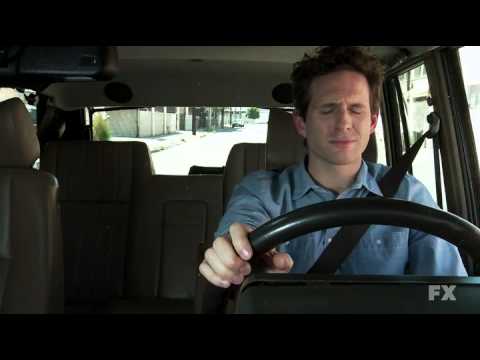
Then there’s eating — and we’re not talking about a quick granola bar. A full 72% of drivers who eat behind the wheel confess to tackling meals that probably require a table and a bib. Think BBQ ribs. Or soup. Hot soup. (Cereal also isn’t a good call. “Always Sunny” covered it in Season 8.)

Possibly the most concerning trend? Filming content. Nearly three-quarters of drivers say they’ve either created or witnessed someone filming videos or making social media posts while driving.

Emotional Baggage Rides Shotgun

It’s not all selfies and snacks. Emotional distractions like stress and anxiety also play a role. One in five drivers say stress from work, school, or relationships can pull their focus. It’s a reminder that mental distractions are just as risky as physical ones.

Where It’s Worst — and Safest

The report also maps out the most distracted driving states, with the Southwest lighting up red. California, Arizona, New Mexico, Texas, Nevada, Utah, and Colorado top the danger list. Florida, North Carolina, Michigan, and Connecticut also rank high, with additional hotspots throughout the South and parts of the Northeast.

In contrast, the safest drivers are mostly clustered in the less densely populated heart of the country — think Montana, Wyoming, the Dakotas, and Minnesota — with Maine and Vermont also getting high marks for safe driving habits.

So next time you’re behind the wheel, maybe skip the content creation, hold the hot soup, and save the charcuterie for later.

You’re Mowing Your Grass Wrong

As lawn-mowing season kicks into high gear, now’s a good time to ask yourself: are you actually mowing your yard correctly? According to lawn care experts, even seasoned homeowners get a few things wrong — and those mistakes could be doing more harm than good.

Here are four common mowing errors, and how to correct them for a healthier, better-looking lawn.

Mowing in the Same Direction Every Time

It’s easy to fall into the habit of mowing in straight lines, back and forth, the same way each week. But if you’re always following the same pattern, you’re training your grass to lean — and grow — in one direction. Over time, this can compact the soil and weaken your lawn’s overall health.

The fix: Vary your mowing direction every time. If you mowed north-to-south last week, go east-to-west next time. It may feel weird at first, but your grass (and soil) will thank you.

Starting in the Middle of Your Lawn

Beginning your mow in the center might feel strategic, but it usually means you’ll double back across areas you’ve already covered. That’s not just inefficient — it also adds unnecessary wear and tear to your grass.

The fix: Start on one side of your yard and work your way across methodically. Aim to make a single pass over each section and avoid trampling freshly cut grass with heavy mower wheels.

Using the Wrong Mower for Your Yard Size

A riding mower may look like a fun upgrade, but unless your yard is huge, it might be doing more harm than good. Riding mowers are harder to maneuver in tight spaces and can create uneven cuts if your lawn isn’t level.

The fix: For yards smaller than half an acre, stick to a push mower. You’ll get better precision, less fuel consumption, and potentially even a mini workout.

Neglecting Your Mower Blades

Dull blades don’t slice your grass cleanly — they tear it, leaving ragged edges that can turn brown and make your lawn more susceptible to disease.

The fix: Sharpen your blades at least once per season. You can grab a blade sharpener online for around $10. Just don’t overdo it — blades should be about as sharp as a kitchen knife, not razor-sharp, which can increase the risk of chipping if you hit a rock.

A well-manicured lawn isn’t just about aesthetics. Cutting your grass the right way keeps it healthy, helps it grow stronger, and reduces the need for extra maintenance. So before you fire up the mower this weekend, take a minute to rethink your routine. Your grass deserves better.

Old School Boomer Skills That Gen Z Just Doesn’t Have

Generational debates are as old as time—and so are the complaints. Boomers say “kids these days” wouldn’t last a week in their day. Gen Z says Boomers wouldn’t survive an afternoon without tech support. Now, a discussion on Reddit is adding fuel to that fire, laying out some basic skills Boomers think younger people are clueless about.

Here are the highlights—and why each one hits a nerve.

Reading a Map Without GPS

Boomers learned to fold maps like origami and navigate using street signs. Gen Z needs Google Maps and hopes it doesn’t lead them into a lake.

Addressing an Envelope

Postage, return address, and recipient info—in the right places, please. To some Gen Z’ers, mailing something is like decoding ancient scrolls.

Using a Plunger

Toilet clogged? There’s a special tool for that, but apparently not everyone under 30 knows what to do with it. (Hint: If you’re holding it by the rubber end, you’re doing it wrong.)

Telling Time on an Analog Clock

If it doesn’t have digital numbers, some younger folks have to pause and think—or just check their phone instead.

Counting Out Correct Change

With digital wallets and tap-to-pay, mental math is becoming a lost art. Some Boomers are stunned by the pause when handing over cash.

Typing on a Real Keyboard

Gen Z is fast on a phone screen—but put them in front of a desktop keyboard and it’s not always pretty.

Mending Clothes and Sewing on Buttons

Sewing kits used to be household staples. Today? Many would sooner toss that shirt and hit Amazon for a new one.

Cooking from Scratch

Microwaves and meal delivery apps have replaced recipe books and measuring cups in many homes, much to the dismay of older generations.

Doing Basic Handyman Tasks

Changing a light fixture, installing a shelf, or swapping out an outlet used to be weekend chores. Now, it’s “call someone.”

Writing a Check

You mean with an actual pen and paper?? Younger adults are more likely to use apps like Venmo or Zelle.

Writing in Cursive

Once a staple of elementary school, cursive has been dropped from many curriculums. For some Gen Zers, it may as well be hieroglyphics.

Driving Stick Shift

Manual transmissions are rare in the U.S. now, so it shouldn’t surprise anyone that this skill has more or less disappeared.

Reading Roman Numerals

Outside of Super Bowl logos or old clocks, Roman numerals just don’t come up much anymore. To be fair, they weren’t even using them very much L years ago.

Whether these missing skills signal a crisis or just a shift in how we live is up for debate. But one thing’s certain: every generation thinks the next one is doing it all wrong—and that’s nothing new.

Are Nicknames Going Extinct?

Nicknames have long been a quirky, beloved part of American culture — from “Tex” and “Red” to “Shorty” and “Dot.” But according to one writer for The Wall Street Journal, the tradition might be fading away.

The writer, who has five children between the ages of six and 18, says none of them have ever been given a nickname by their peers. Not only that, their classmates seem to go by full names, too. Even classic name-shortening habits — like turning “William” into “Billy” — appear to be on the outs.

He thinks all types of nicknames are on the decline.

From affectionate family monikers to playful jabs among friends. It’s a shift he finds a little sad, noting that nicknames are often a sign of closeness, identity, or affection. He even points out that initial-based nicknames like C.J. or J.T. are showing up less often, as many parents now approach naming their kids with more formality and intent than previous generations.

One potential reason? We don’t want to offend anyone.

People are more cautious about causing offense — even unintentionally. Nicknames that once might’ve been tossed around affectionately, like “Tiny” for a larger friend or “Red” for someone with fiery hair, are now more likely to raise eyebrows. That cultural shift toward sensitivity could be dampening the playful nickname spirit.

Of course, nicknames haven’t disappeared completely.

Plenty of sports stars and media personalities still proudly go by theirs. And certain family traditions or tight-knit groups may keep the custom alive. But on the playground, at least, it sounds like “Sparky,” “Moose,” and “Ace” are becoming relics of another era.

Whether you see it as progress or loss, the decline of nicknames might say something deeper about how we relate to one another — and how cautious we’ve become about labels, even the affectionate kind.

Exit mobile version