You Might Be Washing Your Clothes All Wrong

If you’re still washing your clothes on hot for every load, it might be time for a chill pill—literally.

According to Consumer Reports, cold water might just be the hero your laundry (and wallet) needs. It turns out, modern detergents are built differently these days. The enzymes they use are actually designed to work better in cold water, not hot.

So if you’re worried that cold water won’t get your clothes clean, the science says otherwise. Plus, washing with cold can save energy and help your favorite hoodie last longer. It’s a win-win, unless you’re emotionally attached to your electric bill being sky-high.

Here are a few more cold, hard facts:

  • Cold water protects delicates like lace, silk, and anything you’d cry over if it shrunk.
  • It keeps dark colors from fading or bleeding. No more accidental tie-dye surprises.
  • And perhaps most importantly, it won’t “cook” protein stains like milk or blood into your clothes, which hot water can sometimes do.

Oh, and remember how your washer uses electricity? Almost all of that power goes toward heating the water.

So using cold can help you save cash, lower your carbon footprint, and maybe even earn a smug little eco-friendly grin in the process.

That said, hot water isn’t totally canceled. It still has its place, especially if you’re dealing with greasy messes, sweaty gym clothes, or nylon and polyester fabrics that respond better to a little heat. Sheets and towels after a flu bug? Yeah, go ahead and nuke those germs.

One little caveat: If it’s freezing outside—like, under 40 degrees—the “cold” water coming into your machine might be too cold for your detergent to work properly. In that case, lukewarm might be your best bet. Or at least check the detergent label to see what it recommends.

Bottom line? Hot isn’t always better. These days, cold is cool—for your clothes, your budget, and the planet.

10 Things We Wish Were “Business Casual”

Ever stared at your closet wondering if you could get away with wearing those sweatpants to work? According to Google, searches for “business casual” hit an all-time high in 2025, and it’s not because we’re all suddenly passionate about HR dress codes. It’s because no one knows what it means anymore. (Did we ever?)

The dictionary definition is “a style of dressing for white-collar employees that is less formal than business attire.” Super helpful, right? That could mean a nice sweater… or maybe a hoodie with cowboy boots depending on who you ask and where you live.

Google looked at the most popular “Is this business casual?” searches of the year, broken down by city. And something about the list tells me we’d all be wearing tees, jorts, and Crocs to the office if we knew it wouldn’t cost us that raise.

Here are 10 questionable fashion choices we’ve been Googling and where those fashion dilemmas are trending the most.


1. “Are sweats business casual?”

Los Angeles is leading the charge on this one. Shocking absolutely no one.


2. “Are baggy jeans business casual?”

Salt Lake City is ready to be living in 1998 again.


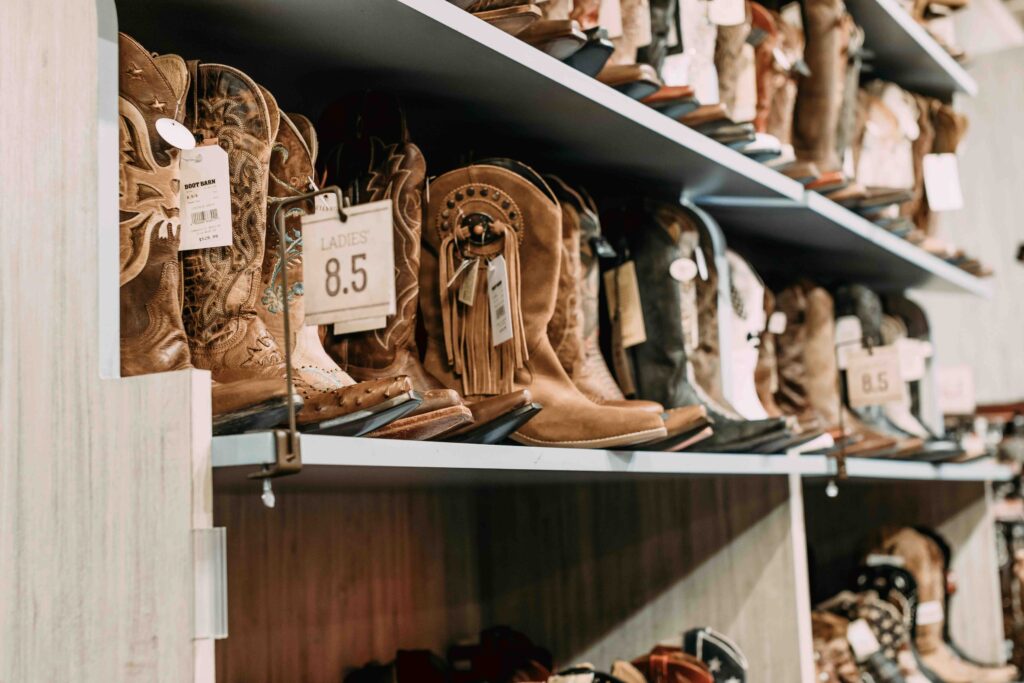
3. “Are cowboy boots business casual?”

Charleston, South Carolina, wants to make this happen. And honestly, we kind of support it.


4. “Are hoodies business casual?”

Denver’s hoping it’s okay as long as it’s made by Patagonia.


5. “Are combat boots business casual?”

Chicago’s trying to punk up the office vibe.


6. “Are flannel shirts business casual?”

San Francisco, meet Portland’s wardrobe.


7. “Are shorts business casual?”

Eugene, Oregon, you’re on the same latitude as Minneapolis. This only applies like eight days a year.


8. “Is a cowboy hat business casual?”

Kansas City, Missouri, clearly thinks the rodeo is a networking event.


9. “Are yoga pants business casual?”

Hartford, Connecticut, just wants to be comfy.


10. “Is cheetah print business casual?”

Atlanta’s out here trying to make statement pieces work in staff meetings.


In the end, “business casual” for most of us means… whatever your boss won’t yell at you for. But as work-from-home culture continues to blend into in-office life, the line between business and casual is as blurry as ever.

One person’s power blazer is another person’s cheetah print sweats, apparently. At this rate, the only universal rule might be if you have to Google it, maybe toss on a button-down instead.

Adam Sandler’s Baggy Clothes Started as a Joke

Adam Sandler’s signature fashion sense—think oversized tees, basketball shorts, and sneakers that look like they’ve run multiple marathons—has been puzzling fans for decades. But according to the man himself, there was a method to the madness… at least in the beginning.

In a recent interview, Sandler finally explained why he’s been rocking the baggy look since his younger years. Turns out, it started as a bit of a beachside prank. Back when he was in peak physical condition, he wore loose clothing to hide what he called a “beautiful body.” The goal? To shock people when he took his shirt off. “The Sandman’s ripped? I didn’t know that,” he joked.

But flash-forward a few decades—and about 50 feature films—and the fashion philosophy has changed.

Now 58, Sandler admits the oversized wardrobe serves a very different purpose: “Now, I go loose because it should be hidden.”

Honestly, relatable.

Sandler’s style has become something of an internet meme in its own right, with paparazzi photos regularly surfacing of him looking like he just rolled out of bed and straight onto a red carpet. Still, it’s hard to argue with the man’s comfort-first approach, especially when you consider how many fashion icons are secretly miserable in their designer fits.

And while his clothes may be roomy, Sandler’s impact on pop culture is anything but small. Whether he’s delivering a dramatic performance or just walking the dog, he’s managed to turn “I just threw this on” into a full-on brand.

So if you’re thinking of tossing on a 3XL tee today, just know—you’re not lazy. You’re just channeling your inner Sandman.

Exit mobile version