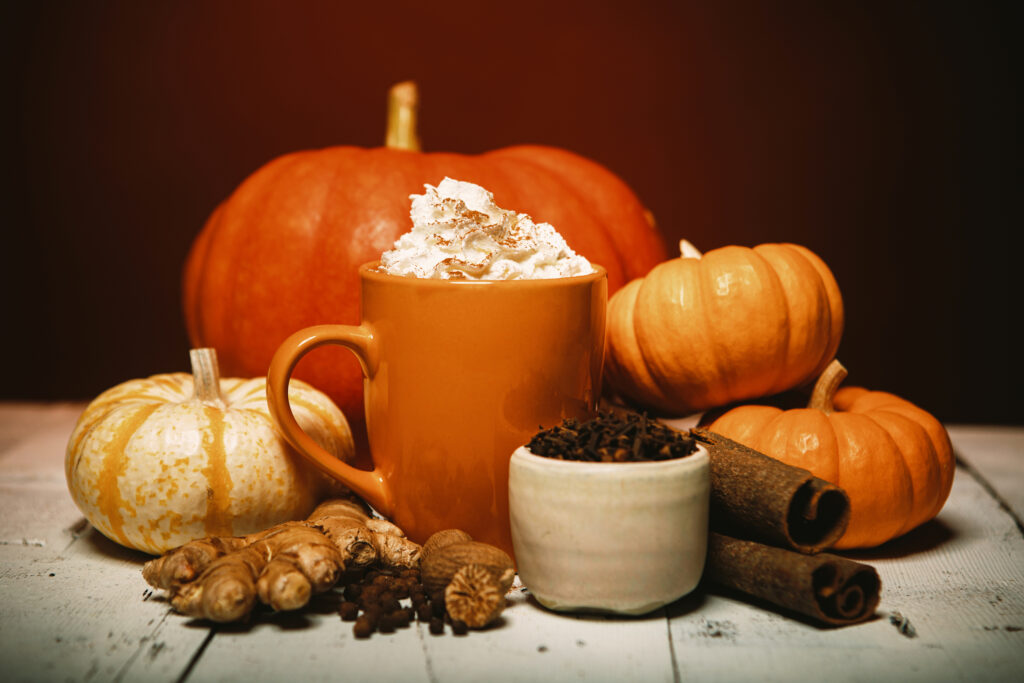
Pumpkin Pie on Thanksgiving? Maybe Not for Long

Thanksgiving menus are usually locked in tighter than Grandma’s grip on the gravy boat. Turkey, stuffing, mashed potatoes, repeat. The only variations tend to happen when your health-nut cousin swaps butter for… whatever they use. But according to a new poll, the real action this year is happening at the dessert table.

Pumpkin pie is still #1

More than 7,000 Americans were asked which pie they want most on Thanksgiving. Pumpkin pie still sits on the throne at 30%, followed by apple at 20%, pecan at 15%, and sweet potato at 9%. Basically, all the classics you expect right after you swear you cannot eat another bite and then immediately eat another bite.

But older Americans are keeping it at the top

Here’s where things get interesting. Pumpkin and pecan pies are basically being carried by Boomers and Gen X. Millennials and Gen Z are leaning hard toward apple and, shockingly, chocolate pie. Yes, chocolate. That means we might be only a generation or two away from pumpkin pie going the way of DVDs and landlines.

And if you think the pumpkin pie crisis stops there, buckle up. 10% of Gen Z says they do not want any pie on Thanksgiving. None. Zero. This is compared to just 4% of Boomers, who are spiritually powered by pie and view pumpkin spice as a survival tool.

What each state is googling

Meanwhile, Google Trends dropped a map of which pies each state is searching for the most, and the results are a beautiful, chaotic dessert map. Pumpkin pie is number one in big states like California and New York, plus places like North Dakota and New Mexico. Apple dominates the Northeast and large parts of the Midwest, which feels very on brand for people who treat autumn like a personality.

Shoofly pie, tamale pie, and Frito chili pie

And then, there are the curveballs. Pennsylvania picked shoofly pie, Oregon wants tamale pie, and Kansas is the only state whose top choice is Frito chili pie. Which, to be fair, does sound delicious, but calling it a “pie” feels like someone is bending the rules just to justify eating it for dessert.

So this Thanksgiving, if the pumpkin pie is suddenly replaced by a chocolate silk monstrosity sprinkled with crushed Oreos, just know this is not a mistake. It is a generational shift.

Is Pumpkin a Fruit or a Vegetable?

Every fall, pumpkins take center stage… But here’s a fun twist that might mess with your mental produce aisle: pumpkins are technically fruits.

That’s right. According to Joe Masabni, Ph.D., a vegetable specialist and professor at Texas A&M, pumpkins fall squarely into the “fruit” category from a botanical standpoint. Why? Because fruits are what develop from the flower of a plant—and pumpkins do just that.

“Anything that starts from a flower is a fruit,” Masabni explains, turning our grocery store assumptions upside down.

So why do so many of us file pumpkins under “vegetables” instead?

It comes down to how we eat them, not how they grow. “We categorize foods by whether we eat them as a dessert, salad, or part of a meal,” Masabni said. It’s the same reason people commonly think cucumbers or tomatoes are vegetables. We slice them into salads or roast them with dinner—no sugar, no dessert plate—so we mentally label them as veggies.

Pumpkins are a bit of a culinary wildcard, though. Some people throw chunks of pumpkin into savory stews, others purée it into sweet, spiced pies. That mix of uses only adds to the confusion.

So, what exactly is the difference between a fruit and a vegetable, scientifically speaking? It all comes down to the flower.

Vegetables like lettuce, for example, never grow from a flower that turns into something edible. You harvest the leaves, and that’s it. Pumpkins, on the other hand, start as flowers that—after a little help from pollinators like bees—transform into the bright orange gourds we know and love.

This same flower-to-fruit process also applies to some other unexpected “vegetables” like tomatoes, cucumbers, eggplants, zucchini, squash, peppers, string beans, corn, and okra. Yep, they’re all technically fruits too.

Does it matter at the end of the day? Not really. Your pumpkin pie isn’t going to taste any different now that you know it’s a fruit.

But it is a great conversation starter for your next fall get-together. Maybe bust it out after dessert (fruit-based or otherwise).

“The fruit and vegetable debate is a fun one,” Masabni said. “At the end of the day, we want people to enjoy these plants as gardeners and at the dinner table.”

So now when you’re sneaking that second slice of pie, you can say you’re eating your fruit…

Why You Should Stop Cutting the Stem Off Your Pumpkin

Halloween is basically here, and that means it’s officially pumpkin carving season.

But before you grab that serrated knife and go full horror movie on your gourd, here’s a simple tip that could save your masterpiece from turning into a moldy mess: Stop cutting the stem off your pumpkin.

Sure, tradition tells us to carve a lid on the top, yank it off, scoop out the guts, and go from there. But according to pumpkin pros and a bit of science, that top-down method is actually the fastest way to ruin your jack-o’-lantern.

Here’s why: the stem is not just some random little nub on top. It was literally the pumpkin’s lifeline when it was growing.

It connected the pumpkin to the vine that fed it nutrients and water. So when you chop it off, you’re basically removing the cork from the wine bottle of rot. It opens your pumpkin up to air, moisture, and decay much faster.

Instead, cut a hole in the bottom or the back of the pumpkin. That way, the stem stays intact, acting like a natural seal. Your carved creation will last longer and attract fewer bugs. (Unless you’re trying to summon flies for some reason, in which case… you do you.)

This carving hack has actually been floating around the internet for a while, but it still seems to shock people every Halloween. Think of it like carving 2.0.

Not only does the bottom-entry method help preserve your pumpkin, it also makes it easier to place it over a LED light. You just lift the pumpkin and plop it down instead of awkwardly reaching in from the top.

So this year, skip the decapitation and try the butt cut. Your pumpkin will thank you by not collapsing into a sad, mushy puddle by Halloween night.

Happy carving! And remember: the stem is your friend, not your target.

Pumpkin Spice Just Got Literal

Fall lovers have officially gone too far with all this pumpkin nonsense.

There’s a new trend where people are taking actual mini pumpkins to Starbucks and asking baristas to fill them with their favorite drink. Because apparently, a pumpkin spice latte inside a real pumpkin is peak autumn. (Or peak social media engagement!)

The logic is simple: Starbucks lets you bring your own cup, so why not make it seasonal?

The execution, however, is… bumpy.

Videos online show mixed reactions. Some baristas are totally game… snapping photos, cheering on the chaos, fully embracing the pumpkin mug life. Others? Not so much. Those folks smirk, and politely hand over a regular cup as usual… and let customers do the pour themselves for the ‘gram.

A few Starbucks employees have warned that it slows down the line, and some mentioned food safety rules that say they’re technically not supposed to touch the pumpkins, or any sort of outside food.

Starbucks hasn’t issued any official policy, but if you want to try it, it’s best to ask nicely and be ready for a “no.”

At worst, you’ll walk away with your drink in a normal cup. At best, you’ll get that perfect “fall girlie” moment that screams, I spent $7 and carved produce for this post.

Just don’t expect the pumpkin to add much flavor. It’s purely for vibes. But hey, if you’re already standing in line in a flannel and boots, you might as well commit.

Only 8% of People Hate Pumpkin Spice

Happy National Pumpkin Spice Day!

So you should celebrate by ordering pumpkin-spice-something… just like you’ve been doing every day for the past month now.

A while back, researchers from Montclair State University combed through nearly 20,000 social media posts to find out if we actually love pumpkin spice as much as it seems like we do.  Yes, it’s a weird thing to “research,” but whatever.

They found that 55% of posts mentioning “pumpkin spice” or the hashtag #pumpkinspice were positive in nature… 37% were considered neutral… and only 8% were negative.

They also found that pumpkin spice fervor surged from 2011 to 2017, when it peaked. 

For the next four years, the hype was a little subdued, but it’s trending again of late… so apparently, pumpkin spice is as popular as ever. Unfortunately, or not!

Who knew people paid so much attention to pumpkin spice trends?

Exit mobile version