March Madness Rules: What NCAA Players Can and Can’t Do During the Tournament

March Madness rules, NCAA basketball restrictions, and tournament guidelines are about more than just what happens on the court. While fans focus on buzzer-beaters and busted brackets, players have to follow a surprisingly detailed rulebook that covers everything from fingernails to fashion choices.

Yes, really.

Every year, NCAA athletes competing in the tournament are expected to stick to strict guidelines that keep the games fair, safe, and, apparently, free of long nails and dangling jewelry.

Some of the rules make total sense. Others might leave you doing a double take.

For starters, players are allowed to fill out their own March Madness brackets, just like the rest of us. The catch, no money can be involved. Betting on games is strictly off-limits, and breaking that rule could come with serious consequences. So if you thought your office pool was stressful, imagine risking your eligibility over it.

When it comes to appearance, the NCAA keeps things pretty locked down. Jewelry is a no-go during games, and headwear is limited to specific types of headbands. Even small accessories like barrettes and bobby pins are not allowed, likely to prevent injuries during play.

Uniform rules also differ slightly between men’s and women’s teams. Men are required to tuck in their jerseys, while women typically are not, mostly because their jerseys are designed shorter.

Then there is the fingernail rule, which might be one of the more unexpected ones. Players have to keep their nails trimmed and not “excessively long.” They can still paint them, so there is some room for personal style, but length is where officials draw the line.

Some rules are more about gameplay and sportsmanship. Players are not allowed to lift or carry teammates, which sounds obvious until you picture a celebratory moment getting a little out of hand. There is also a strong emphasis on respectful behavior. Poor sportsmanship can lead to penalties, so keeping emotions in check is part of the job.

And finally, tobacco use is completely prohibited. No exceptions.

At the end of the day, these rules might seem quirky, but they are all part of maintaining fairness and safety during one of the biggest sporting events of the year. So while fans argue over brackets and Cinderella stories, players are busy making sure their jerseys are tucked, their nails are trimmed, and their focus stays on the game.

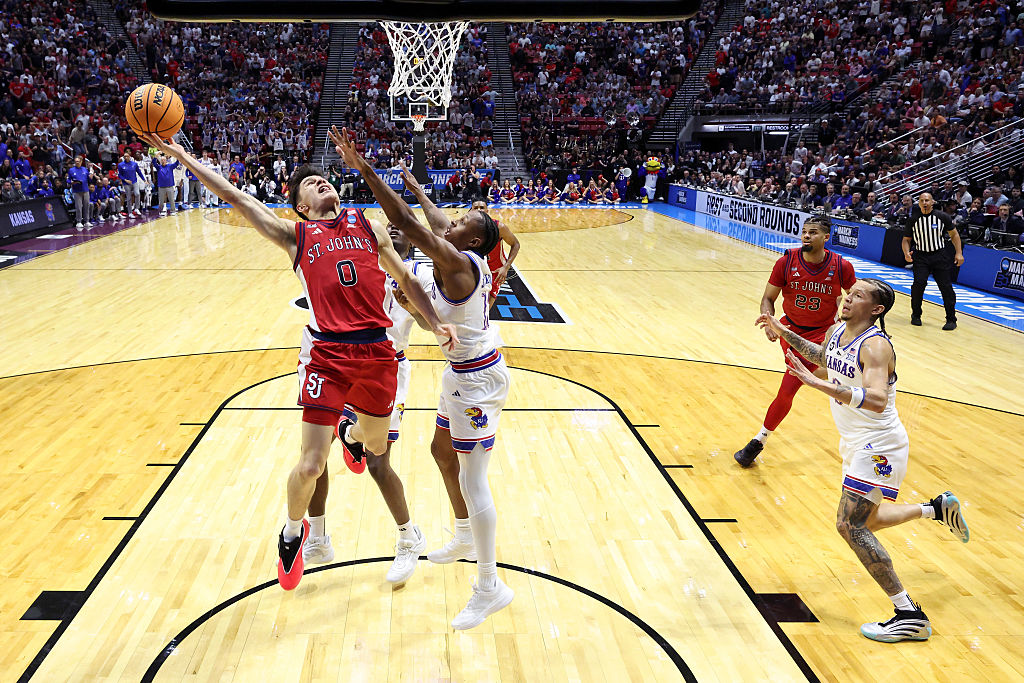
SAN DIEGO, CALIFORNIA – MARCH 22: Dylan Darling #0 of the St. John’s Red Storm shoots the ball against Elmarko Jackson #13 and Flory Bidunga #40 of the Kansas Jayhawks during the second half in the second round of the 2026 NCAA Men’s Basketball Tournament at Viejas Arena at San Diego State University on March 22, 2026 in San Diego, California. (Photo by Sean M. Haffey/Getty Images)

20 Social Etiquette Rules We Should All Be Following

The magazine “Country Living” posted a list of 50 social etiquette rules we don’t pay enough attention to these days. 

We took 20 of the best ones, and broke them down into five categories:

Classic Things People Used To Do 

  • Always say please and thank you.
  • Hold the door for people.
  • Try HARD to be on time. 
  • Send handwritten thank-you notes. 
  • And bring food to people, like when there’s a new neighbor or someone passes away.

Phone Etiquette

  • Step away to answer a call.
  • Look at someone when they’re talking to you, not your phone. 
  • Mute your ringtone when you’re at a movie, or anywhere else it might annoy people. 
  • And return phone calls as soon as possible.

When You’re Out in Public 

  • Wear decent clothes, not pajama bottoms. 
  • Don’t swear, especially around kids. 
  • Always use your turn signal while driving. 
  • And wait for people to get OUT of an elevator or subway car before you get in.

For Parties and Events

  • Always RSVP right away. 
  • Ask before you bring a guest. 
  • Always show up with a gift, like a bottle of wine or an appetizer.
  • And avoid controversial topics, like politics or religion.

Meal Etiquette 

  • Wait until everyone has their food before you start eating. 
  • Have good table manners, like putting a napkin on your lap and chewing with your mouth closed.
  • And always push your chair in when you leave the table.

Five Disney Park Dress Code Rules That Could Get You Kicked Out

Planning a magical day at Disneyland or Disney World? Before you start packing your Mickey ears and glittery attire, be warned: certain fashion choices could actually get you booted from the park. That’s right — Disney has a dress code, and it’s stricter than you might expect.

Here are the major fashion choices to avoid at Disney:

1. Costumes for adults are a no-go.
Unless you’re under 12, showing up in full Elsa, Captain Jack, or Darth Vader gear is off-limits. Disney doesn’t want guests confusing you for their professional cast members, especially when little kids are involved. It’s all about keeping the illusion alive for younger guests — sorry, adult princesses.

2. Leave the long trains and dramatic drapes at home.
Floor-length gowns, flowing capes, or any outfit with excessive trailing fabric won’t fly. Disney cites safety reasons — like not tripping over yourself or tangling with someone else on Space Mountain — but anyone who’s had a stranger step on their hem at a concert gets it.

3. Skip the skimpy stuff.
Overly revealing clothing, including anything resembling a bikini or tiny crop tops that cross the line into swimwear, isn’t allowed. And yes, footwear is mandatory. This is still a theme park, not a beach resort.

4. No scary, gory, or offensive designs.
If your shirt could freak out a 5-year-old or make a grandma clutch her pearls, Disney would prefer you leave it in the closet. That includes horror-themed gear or anything with questionable language or imagery. The family-friendly vibe is part of the brand.

5. Offensive tattoos? Cover ’em.
If your ink features anything graphic, vulgar, or potentially upsetting, you’ll be asked to hide it before entering.

So what’s a stylish Disney-loving adult to do? Welcome to DisneyBounding — the low-key fashion trend where fans dress in everyday clothes inspired by Disney characters. Think yellow skirt, blue top, and red bow for a Snow White vibe, without technically dressing as Snow White. As long as it’s not full costume, you’re good.

Disney’s fashion rules might seem strict, but they’re really about protecting the magic and keeping everyone safe. So next time you hit the parks, wear your love for Disney loud and proud — just maybe not in a full Beast costume with a floor-length velvet cape.

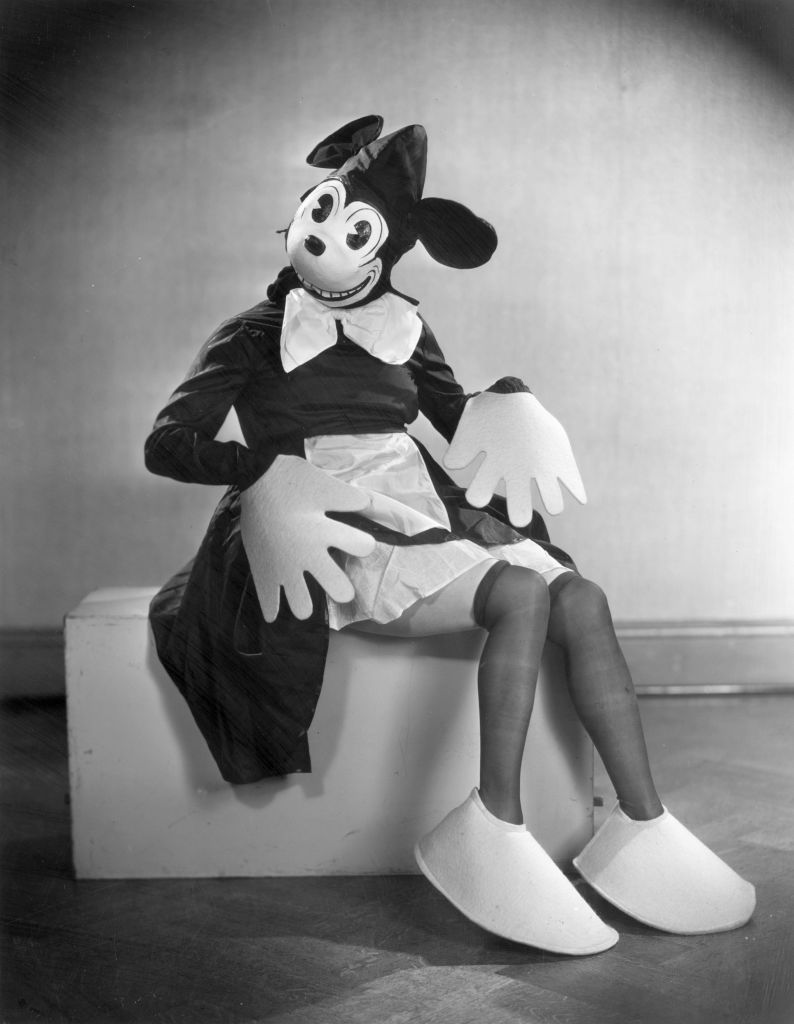
10th March 1933: Actress Hermione Baddeley (1906-1986) attends the Film Memories Ball dressed as the Disney character Minnie Mouse. (Photo by Sasha/Hulton Archive/Getty Images)

So You Wanna Be on “AGT”? Get Ready to Be Roasted on National TV

If you’ve ever dreamed of auditioning for “America’s Got Talent”, get ready to leave your ego at the door – and maybe pack some thick skin while you’re at it.

Now in its 20th season, the hit reality show isn’t just about talent and standing ovations. According to “People”, the contestant contract includes a clause stating that your appearance may be, quote, “disparaging, defamatory, embarrassing, or of an otherwise unfavorable nature.” Translation? The show has full permission to roast you on national TV.

That might sound harsh, but it’s standard fare in the world of reality competitions. It’s likely why reality show “villains” don’t usually run off to sue for hurt feelings. Public ridicule is part of the package, and if you’re not cool with being edited into a meme, you probably shouldn’t sign on the dotted line.

But that’s not the only fine print hopefuls should know. Here are a few other behind-the-scenes rules contestants agree to:

  • You’re not the boss of your song choices. Even the most gifted singers collaborate with producers to select tracks that suit their voice and meet licensing requirements.
  • Wardrobe is a team effort. Once you’re on the live shows, producers help choose your performance outfits . . . goodbye, lucky sweater.
  • Props and pets need a green light. Any stunts involving animals or stage tricks have to be approved ahead of time for safety reasons.
  • It all starts with a 90-second audition. Every act, no matter how polished they look on TV, first goes through an open call audition that’s over in less time than it takes to microwave popcorn.
  • You’re not getting rich (yet). Contestants don’t get paid to appear, but the show does cover living expenses, so at least there’s that.

Whether you’re a magician, singer, or a guy who juggles flaming lawn chairs while riding a unicycle (there’s always one), just know this: AGT wants you to shine—but it’s not afraid to let you flop either. All in the name of great TV.

Exit mobile version