The Diet Advice of the ’80s Was Trash

Back in the 1980s, low-fat was king. Sugar? Artificial sweeteners? Heavily processed everything? No big deal!

It all started in 1980 when the U.S. government dropped its first official dietary guidelines, and suddenly fat became Public Enemy #1. So the food industry responded in the worst way possible: by stripping out fat and cranking up the sugar and chemicals. The result? A decade full of supposedly “healthy” foods that, in hindsight, were kind of a nutritional nightmare.

Let’s take a nostalgic (and slightly horrifying) stroll down memory lane with a few of the foods we thought were good for us.


Fruit Juice

OJ may seem innocent, but one cup of orange juice has as much sugar as five whole oranges. That “100% real juice” label was doing a lot of heavy lifting. If you’re craving the good stuff today, fresh-squeezed (in moderation) is your best bet.


Granola Bars

Marketed as wholesome, they were basically candy bars in disguise. Loaded with sugar, preservatives, and way too much sodium. The crunchy sound made us feel healthy, though.


Lean Cuisine

These frozen meals sounded smart: low-calorie, low-fat, quick dinner. But most were also low in protein and sky-high in sodium. They were so tasty, you could accidentally eat three of them and still feel hungry.


Diet Soda

Ah yes, the magic potion with zero calories and all the bubbly sweetness of regular soda. Turns out, aspartame and other artificial sweeteners can mess with your metabolism and actually lead to weight gain. So… not exactly diet-friendly.


Cereal

Cartoon mascots didn’t just sell us breakfast—they sold us dessert in a bowl. Many popular cereals were packed with sugar, artificial colors, and barely a trace of anything whole grain. But hey, they were “fortified” with vitamins, right?


Sports Drinks

Unless you were running marathons or sweating through a football game, there was no need for all that sugar and salt. Still, the ’80s gave rise to Gatorade, which felt like a healthier choice than soda… and we chugged it accordingly.


Milk

Milk was practically medicine in the ’80s thanks to relentless marketing campaigns. It does have calcium… so seriously, keep drinking milk. Just remember, there’s calories in there. For some, it also brings unplanned bathroom breaks. If you said you were lactose intolerant in the ’80s, you almost expected a punch in the face.


Also on the list of former “health foods”: Margarine, low-fat yogurt, rice cakes, veggie patties, SlimFast shakes, brown bread, soy milk, and sugar-free candy.

Somehow, we thought Tang and SnackWell’s were doing us a favor. It’s a miracle we made it out of that decade with functioning organs. Now excuse me, while I pour myself a bowl of TRIX.

What’s “Heavy Soda”?

If you’ve ever chugged a 44-ounce fountain drink and thought, you know what this needs? More syrup… then buckle up. There’s a new trend bubbling up online called heavy soda, and yes, it’s exactly what it sounds like — soda with extra syrup and maximum sweetness.

The trend is reportedly taking off at gas stations and convenience stores, especially in southern Missouri, where it supposedly got its start. But thanks to TikTok and Reddit, heavy soda is now going viral across the country.

So, what is heavy soda?

At self-serve fountain drink machines, the soda flavor comes from a mix of carbonated water and flavored syrup. Some stores — intentionally or not — have started tweaking that ratio and upping the syrup, creating a sweeter, “heavier” version of your favorite drink.

Some locations are even labeling their machines so customers know which ones are heavy.

Why are people doing this?

Sure, some folks just like their soda tooth-achingly sweet. But fans of the trend say there’s a practical reason too: if you’re grabbing a huge soda in the morning and sipping it all day, the extra syrup helps combat ice dilution. As the ice melts, the drink still tastes normal instead of watery.

From a flavor science perspective, it kind of makes sense. From a health perspective? Not so much. Critics have pointed out the obvious: even regular soda is already packed with sugar, so heavy soda takes things into turbo mode. Not ideal if you’re watching your sugar intake — but hey, it’s your pancreas.

Haven’t I heard this before?

Some people claim McDonald’s fountain drinks have always had a slightly higher syrup ratio than the standard recommendation, which might explain why their Coke hits different. But heavy soda takes that idea and cranks it up way past fast-food levels.

Curious? There are plenty of TikToks and Reddit threads where people are testing it out. Whether you’re intrigued or horrified, one thing’s clear: we’ve officially reached the point where even our beverages are getting algorithmically optimized for sugar content.

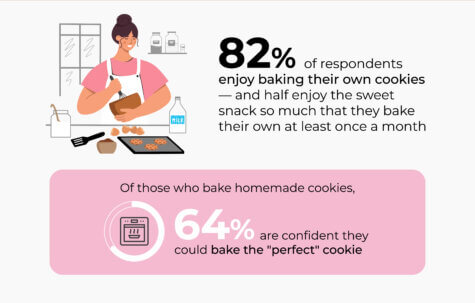
The Average Person Eats 21 Cookies a Month, and Chocolate Chip Is Our Favorite

This past Monday was National Chocolate Chip Cookie Day

And a cookie-focused poll found they’re still our favorite type of cookie.

Our five favorites are chocolate chip, peanut butter cookies, double chocolate chip, oatmeal raisin, and shortbread. So, no love for that old clamshell package of frosted sugar cookies on the clearance shelf at the grocery store?

Here are a few more quick cookie stats:

1.  The average American eats 21 cookies a month.  One in four admit they eat more than that.

2.  41% of us think we’ve had enough of them in our life to call ourselves a “cookie expert.”  The average person thinks you need to eat at least 319 cookies before you can say that.  At 21 cookies a month, that would only take a little over a year.

3.  According to the poll, the perfect chocolate chip cookie is soft and chewy… made with brown sugar… and just came out of the oven.

4.  61% say a really good cookie can turn your whole day around. 

So next time you’re halfway through a sleeve of cookies and wondering if you’re being a little extra… just remember, you might actually be working toward a professional title. Keep going, Chef.

Courtesy of Study Finds

Exit mobile version