The Perfect Vacation Is Three Hours from Home

If the long holiday weekend left you craving a real getaway, you’re not alone. A new survey is offering fresh insight into what many Americans consider the “perfect vacation”—and it might be closer (and pricier) than you’d think.

According to a recent report from Talker Research, the ideal vacation lasts 11 days and takes place roughly three hours from home. Whether that’s an exciting prospect or a letdown may depend on how badly you want to avoid airports.

And speaking of avoiding airports, that “perfect” distance of three hours might help explain the trip’s jaw-dropping price tag: an average of $8,800 per person. That breaks down to around $800 a day, meaning this “ideal” trip would likely include premium accommodations, fine dining, and plenty of activities—or perhaps a short-haul flight and some serious splurging.

So what are travelers looking for on this getaway? According to the poll:

  • 63% want a beach destination,
  • 53% are after “the great outdoors,”
  • 43% crave a mix of big cities and historical sightseeing,
  • And 31% prefer visiting landmarks and outdoor attractions.

But while preferences vary, one key theme emerged: relaxation. The perfect trip isn’t just about checking off tourist boxes—it’s about completely unplugging, making new memories, and enjoying the freedom to do absolutely nothing (or everything) on your own terms.

Whether your dream vacation includes a beach hammock, a hiking trail, a full-service experience, or a self-guided tour, the key takeaway is this: a meaningful break doesn’t have to be far away—but it might cost you.

Which States Drive the Least—and Who’s Racking Up the Miles?

Are you a highway warrior or a hometown cruiser? According to stats from the Federal Highway Administration, the average American drives a whopping 14,263 miles per year.

But depending on where you live, that number can vary wildly. States with sprawling rural areas tend to top the list, while those with dense cities and strong public transit systems drive much less.

Top 5 States Where People Drive the Most:

  1. Wyoming – 24,069 miles/year
  2. Mississippi – 19,966 miles/year
  3. New Mexico – 19,157 miles/year
  4. Missouri – 18,521 miles/year
  5. Georgia – 18,334 miles/year

No big surprises here. These states are known for wide-open spaces and fewer public transportation options, meaning longer drives for work, errands, and everything in between.

Top 5 States Where People Drive the Least:

  1. Rhode Island – 9,961 miles/year
  2. New York – 10,167 miles/year
  3. Washington – 10,949 miles/year
  4. Alaska – 11,111 miles/year
  5. Pennsylvania – 11,445 miles/year

Fun fact: You can fit 430 Rhode Islands inside Alaska, but somehow, people in both states drive a similar number of miles per year. (You’ve got to love that paradox.)

A Few More Fascinating Driving Facts:

  • The U.S. boasts 8.7 million miles of roadway.
  • Men drive about 6,000 more miles per year than women.
  • In total, Americans clock 3.2 trillion miles annually—that’s more than enough for 6 million round trips to the Moon.

So, how do you stack up? Are you cruising past the national average, or letting someone else do the driving? Either way, you’re part of one of the most car-dependent cultures on Earth. Buckle up.

What’s the Riskiest Meal You’ve Eaten While Driving?

April marks National Distracted Driving Awareness Month, and a new report highlights just how far drivers are willing to push their multitasking limits — and common sense — behind the wheel.

While it’s no surprise that 86% of drivers admit to being distracted by technology (mostly their phones), the report uncovers a wider—and wilder—array of behaviors that make our roads more dangerous.

Putting the “Multi” in Multitasking

Among the top distractions: grooming. Nearly 27% of drivers say they’ve gotten ready for the day while driving. That includes changing clothes, shaving, applying makeup, and even painting their nails. Gen Z takes the crown here, with a staggering 50% admitting to touching up their look on the go.

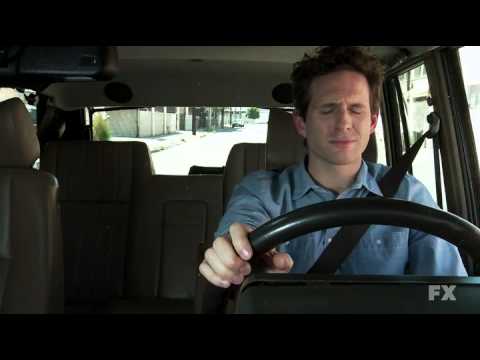
Then there’s eating — and we’re not talking about a quick granola bar. A full 72% of drivers who eat behind the wheel confess to tackling meals that probably require a table and a bib. Think BBQ ribs. Or soup. Hot soup. (Cereal also isn’t a good call. “Always Sunny” covered it in Season 8.)

Possibly the most concerning trend? Filming content. Nearly three-quarters of drivers say they’ve either created or witnessed someone filming videos or making social media posts while driving.

Emotional Baggage Rides Shotgun

It’s not all selfies and snacks. Emotional distractions like stress and anxiety also play a role. One in five drivers say stress from work, school, or relationships can pull their focus. It’s a reminder that mental distractions are just as risky as physical ones.

Where It’s Worst — and Safest

The report also maps out the most distracted driving states, with the Southwest lighting up red. California, Arizona, New Mexico, Texas, Nevada, Utah, and Colorado top the danger list. Florida, North Carolina, Michigan, and Connecticut also rank high, with additional hotspots throughout the South and parts of the Northeast.

In contrast, the safest drivers are mostly clustered in the less densely populated heart of the country — think Montana, Wyoming, the Dakotas, and Minnesota — with Maine and Vermont also getting high marks for safe driving habits.

So next time you’re behind the wheel, maybe skip the content creation, hold the hot soup, and save the charcuterie for later.

The Best Things to Do in the World in 2026

If your 2026 travel goals are still wide open, buckle up: the world is brimming with jaw-dropping experiences next year. From skywatching in Iceland to ziplining in ancient forests and checking out wild immersive museums, there are more than a few reasons to start hoarding vacation days now.

We’re talking about sleepovers in sculpture parks, futuristic air taxis, e-bike adventures along the Nile, and a Pokémon theme park (finally!). Whether you’re a hardcore culture vulture or just looking for the next place to post up and vibe, here’s your ultimate bucket list for 2026.

1. Watch Paris get turned into a giant art installation.
From June 6 to 28, the Pont Neuf bridge will transform into a towering cave-like sculpture courtesy of artist JR. Think ancient quarry meets urban artwork. It’s free, it’s weird, and it’s extremely Instagrammable.

2. Party in the dark in Iceland.
Literally. The Iceland Eclipse Festival (Aug 12–15) celebrates a total solar eclipse with music, art, and tech under two minutes of complete darkness. Only 3,333 tickets available, so this is one for the bucket list and bragging rights.

3. Explore Frida Kahlo’s family home.
Mexico City just got even more magical with the new Museo Casa Kahlo, filled with Frida’s personal items and rotating exhibits. It’s just down the street from Casa Azul, so why not do both?

4. Zipline over a rainforest in Australia.
At Lamington National Park’s new Happitat Adventure Park, you can soar 400 meters above the trees or challenge yourself on a Via Ferrata course.

5. Join the Tomorrowland party in Thailand.
One of the world’s biggest EDM festivals lands in Asia for the first time in 2026. Expect lasers, world-class DJs, and a million people dancing in the jungle.

6. Ride through the Canadian Rockies on a luxury train.
The Rocky Mountaineer’s new “Passage to the Peaks” route is dropping in June and July with stops in Banff, Jasper, and Lake Louise.

7. Swim with sperm whales in Dominica.
The island is opening the world’s first sperm whale reserve. Bring a snorkel and a sense of awe.

8. Step into a real-life magic mansion in Chicago.
The Hand & The Eye, opening in the renovated McCormick Mansion, blends illusions, secret doors, and magical lounges.

9. Hike the entire coast of England.
The King Charles III Coastal Path finally opens, making it the longest managed coastal trail in the world at over 2,600 miles.

10. Stargaze in Denmark at the world’s largest Skyspace.
James Turrell’s monumental dome near the ARoS Art Museum in Aarhus opens June 19, offering a meditative look at the sky like you’ve never seen before.

11. Take a reading-themed trip to Morocco.
Rabat becomes UNESCO’s World Book Capital in 2026 with literary marathons, festivals, and the grand opening of the Zaha Hadid-designed Royal Theatre.

12. Celebrate 100 years of Route 66.
The “Mother Road” turns a century old, and towns along the way are planning rallies, festivals, and a whole lot of nostalgia.

13. Tour Egypt’s Nile by boat and e-bike.
Boat Bike Tours offers a unique way to explore ancient lands in luxury and sustainability, with limited departures in February.

14. Travel back in time in Kyoto.
Uzumasa Kyoto Village reopens as an Edo-period theme park and interactive movie set.

15. Visit an art gallery where you can also do your laundry.
Seriously. The Art Gallery of New South Wales in Sydney now includes a recording studio, monkey bars, and vintage washing machines.

16. Dance to R&B on the beach in South Africa.
Afro Nation launches WAV Festival in Cape Town on Jan 2, dedicated entirely to R&B vibes.

17. Explore train stations turned museums in Istanbul.
Haydarpaşa and Sirkeci stations are getting major glow-ups, with gardens, exhibitions, and even an ancient city hidden beneath.

18. Live out your Pokémon dreams in Tokyo.
PokéPark KANTO opens in Tama Hills with two zones and over 600 Pokémon to interact with.

19. Sleep inside a sculpture park in Brazil.
The Inhotim Institute now has a luxury hotel so you can snooze right next to giant outdoor installations.

20. Experience George Lucas’s wild new museum in LA.
The Lucas Museum of Narrative Art will showcase storytelling in every form, from Frida Kahlo to Star Wars props.

21. Walk across South Korea in 50 days.
The new Dongseo Trail stretches coast to coast through mountains, forests, and rural villages.

22. Get inspired in Abu Dhabi’s two new mega-museums.
The Zayed National Museum is now open, and the Guggenheim Abu Dhabi is on deck for late 2026.

23. Lose yourself in immersive art in Germany.
TeamLab’s new digital art museum opens in Hamburg, blending tech and trippy visuals across 26,000 square meters.

24. Eat and dance at Stockholm’s coolest queer space.
House of Q is an LGBTQ+ cultural hub opening in a converted industrial space in 2026.

25. Catch an air taxi in Dubai.
Electric air taxis capable of hitting 320 km/h will soon lift off from Dubai’s first “vertiport.”

26. Feast at new Time Out Markets in Vancouver and Abu Dhabi.
Canada’s second Time Out Market lands in Vancouver, and Abu Dhabi’s version comes complete with food, culture, and entertainment.


Ready to hit book now yet?

The Top 10 Airport Snacks in America (and the One Nobody Likes)

Nothing at the airport is cheap. Somehow grabbing your own bottled water and a bag of chips turns into a “premium dining experience.”

But when you’re facing delays, crying toddlers, and that guy in front of you who still doesn’t understand how TSA works, a comfort snack can save the day.

A new analysis looked at keyword search data around airports across the U.S. to figure out which snacks travelers crave the most when they’re stuck at Gate C12. The results might not surprise you… but they say a lot about how we cope with travel stress.

Here are America’s Top 10 Airport Snacks:

  1. Oreos – The undisputed king of emotional eating.
  2. Jack Link’s Beef Jerky – The snack for people who pretend they’re on a rugged road trip instead of a delayed connection in Dallas.
  3. Cheetos Puffs – Proof that cheese dust is the real MVP of travel.
  4. Cheetos Crunchy Flamin’ Hot – For the bold, the brave, and those who don’t mind orange fingers.
  5. Twizzlers – Great for sharing, or for smacking your seatmate when the Wi-Fi goes down.
  6. Sour Patch Kids – A sweet-and-sour distraction from gate changes.
  7. Dunkin’ Donuts – Because caffeine and carbs are the only things keeping us functioning at 6 a.m.
  8. Welch’s Fruit Snacks – For parents convincing themselves this counts as “healthy.”
  9. Doritos Cool Ranch – The scent of these alone can clear an entire boarding area.
  10. Haribo Gummy Bears – Timeless, chewy, and a solid way to keep the peace on a long flight.

And the least-loved airport snack? Chobani Vanilla Yogurt.

Sorry, health-conscious travelers… apparently no one wants to balance their laptop, boarding pass, and a spoon while sprinting to their gate. (Interestingly, it did rank highest in Massachusetts, where maybe travelers are just better at multitasking.)

So next time you’re running late and debating whether to splurge on snacks, remember: Oreos top the charts for a reason. Sometimes a little sugar therapy is just part of the ticket price.

Why Planes Dim the Lights Before Takeoff (Hint: It’s Not Mood Lighting)

Here’s a fun little nugget to file under “stuff that’ll make your next flight way more stressful.”

You know how the cabin lights get dimmed during takeoff and landing? It feels kind of relaxing, like they’re setting the mood for a nap or a mid-air spa day. Yeah, nope.

The real reason is much more unsettling.

Turns out, they’re not dimming the lights to soothe you. They’re doing it because those are the two riskiest parts of the flight, and if something goes wrong… you might need to escape in the dark.

The real reason for the moody lighting, according to industry experts, is to give your eyes time to adjust — just in case there’s a sudden loss of power and you need to make a quick exit.

Basically, they want you to be able to see the glowing “EXIT” signs and emergency path lights without your retinas screaming, “Why is it pitch black?!”

Unsettling, yes. Makes sense? Also yes.

Think about walking into a dark movie theater from the blinding afternoon sun. You’re bumping into chairs, whisper-apologizing to strangers, trying not to drop your popcorn. Now imagine doing that, but the theater is a plane, there’s no popcorn, everyone’s screaming, and the stakes are slightly higher.

The dim lights are a pre-game warmup for your eyeballs. If something goes sideways, you’ll be better equipped to see where you’re going instead of flailing around in the dark like you’re in the worst escape room ever.

So the next time you’re buckled in and the lights start to fade, remember it’s not about comfort. It’s about survival. Sleep tight!

Holiday Inn Wants You to Wake Up to… Their Smells

Forget buzzing alarm clocks or the terrifying ring of a hotel wake-up call.

Holiday Inn Express is testing a brand-new way to get you out of bed: a scent-based alarm clock. Instead of beeping at you, it releases a delicious smell of your choice, like a high-tech diffuser.

Right now, it’s only being tested in a handful of countries. People in Australia and New Zealand can wake up to the breakfast-y smells of coffee, bacon, or blueberry muffin. In Japan, they’ve added nashi pear, and in Singapore and Thailand, you can start your morning with mango.

Sadly, the U.S. isn’t on the list yet, so American travelers are stuck with the classic “housekeeping knocking at 8 a.m.” method.

But the food-inspired scents aren’t just a cruel tease. They do offer an actual free breakfast, so that bacon smell might lead you straight to the real thing.

Of course, if you’re the type who could sleep through an entire kitchen operating in your hotel room, don’t worry. Old-school wake-up calls and door knocks are still available.

The scented alarm clocks are just an extra option for people who want to rise and shine with a smile… and a sudden craving for carbs.

So if you’ve ever dreamed of literally waking up and smelling the coffee, Holiday Inn Express is making it happen… just not for Americans, yet. Figures.

TikTok Debate: Do You Check Out at a Hotel… or Nah?

Checking out of a hotel used to be a whole production: stand in line, hand over your key, maybe argue about that $6 minibar Snickers you definitely didn’t eat. Now? For many travelers, it’s more like grab your bag and vanish like a travel ninja.

That’s exactly what kicked off a viral debate when a woman posted a TikTok of herself walking straight from her hotel room to the parking lot. Her caption: “Older generations: This is how you check out of a hotel. You just walk out.” She doubled down in the description, saying the front desk doesn’t need to know and they definitely don’t need to chit-chat about it.

Technically, she’s right… plenty of hotels have app-based check-out, virtual receipts, and key cards that might as well be coasters once you’re done. But the comment section? Let’s just say it turned into the hospitality version of a family holiday argument.

People who say they’ve worked in hotels believe you should still give a quick heads-up, especially if you’re leaving early. It helps housekeeping start cleaning sooner, which means faster check-ins for the next guests.

Some travelers said they only notify the desk if they’re leaving well before check-out time, because “what’s the difference?” if they’re leaving when they’re supposed to.

Then there’s the “old school” camp, insisting you should always stop by to make sure there are no issues or surprise charges. Detractors call that a Boomer move… after all, most hotels email receipts now. Others say they’d happily check out in person… if there were actually someone at the front desk when they walked by.

One commenter offered a middle ground: mention you’re leaving as you pass. “It just takes 10 seconds,” they said. “This is a weird thing to feel like a bad-a** over.”

So, is the personal check-out a dying tradition, soon to join travel agents, printed boarding passes, and hotel alarm clocks in the history books? Possibly. Until then, hotel lobbies will remain neutral ground for the generational battle over whether you exit with a polite wave… or pull a full-on Houdini.

@the.shit.chat

The front desk doesn’t need you to tell them you’re checking out and they don’t need you to hand them your room key.

♬ original sound – iHearCanvas

Which States Are the Best and Worst for Summer Road Trips?

If you’re mapping out the ultimate American road trip this summer, here’s a hot tip: maybe don’t start in Delaware. Or end in Delaware. Or drive through it unless your GPS absolutely insists.

WalletHub just released its annual list of the Best and Worst States for Summer Road Trips, and Delaware came in dead last. Yes, last. Fifty out of fifty.

The ranking looked at 32 factors, including cost, safety, and how many things there are to actually do.

National parks, beaches, amusement parks, lakes, scenic drives… basically all the reasons you’d leave your house in the first place. And apparently, Delaware offers… not a lot of that.

On the flip side, Minnesota took the top spot, which is a win for lakes, mosquitoes, and people who say “ope” unironically.

Here’s the Top 10:

  • 1. Minnesota
  • 2. New York
  • 3. Ohio
  • 4. Utah
  • 5. Louisiana
  • 6. Florida
  • 7. Idaho
  • 8. Texas
  • 9. North Carolina
  • 10. Pennsylvania

And now, the Bottom 10, aka the states where your road trip dreams might go to die:

  • 50. Delaware
  • 49. Connecticut
  • 48. Rhode Island
  • 47. Vermont
  • 46. Montana
  • 45. Hawaii
  • 44. California (amazing things to do, disgusting gas prices)
  • 43. New Mexico
  • 42. Arkansas
  • 41. Maryland

Some bonus tidbits: Louisiana is the cheapest state for a road trip. Idaho is the safest. California has the most to do, but good luck affording any of it unless you’re road-tripping in a Prius and living on protein bars.

And if you’re looking to not get rear-ended, steer clear of New Mexico, South Carolina, and Tennessee… they are the least-safe states to road trip through.

And why is Delaware last? Well, it’s small, and it’s quiet. So unless you’re really into scenic bank headquarters and toll booths, maybe keep driving.

Why You Shouldn’t Use the Bathroom “Just in Case”

You’ve done it. You’ve maybe even told your kids to do it before walking out the door. But according to health experts, the precautionary act of going to the bathroom “just in case” might be doing more harm than good.

The term for it is “proactive voiding.”

A recent article in The New York Times dove into the science behind a habit called proactive voiding—that is, going to the bathroom before you actually feel the need. While it may seem harmless, urologists say it could mess with your body’s natural signals if done too often.

Your bladder is a muscle. And just like any other muscle, it adapts to routines. If you consistently go before your bladder is full, it may start telling your brain you need to pee sooner than you really do. And over time, this can condition your body to feel like it’s constantly time for a bathroom break, even when your bladder is only half full or less.

How much pee can my bladder hold?

To put it in perspective, a healthy adult bladder typically holds about two to three cups of urine—closer to two for women and three for men. But even under normal conditioning, we feel the urge to go at just half that volume.

Add habitual “just in case” trips to the mix, and you might find yourself sprinting to the restroom way more often than necessary.

Another reason to not do it: incontinence

Sure, using the bathroom 20 times a day would be annoying in and of itself. But peeing when you don’t need to can also cause some real physical consequences. Namely, you might eventually not be able to hold it.

Trying to pee when there’s not much in there can cause straining, which may weaken your pelvic floor muscles over time. And that, ironically, can lead to even more urinary issues.

What if I’ve already trained by bladder to pee too often?

The good news is if you’ve developed a “go now just in case” reflex, it’s not too late to undo it. Experts say retraining your brain is possible, and cognitive techniques can help.

Think things like simple distractions, deep breathing, and self-talk. (Yes, literally talk to your bladder and say, “I’m the one in control here, not you!”) As one expert put it, it’s not just mind over matter, it’s “mind over bladder.”

TL;DR

In short: go ahead and take that preemptive pee before your next road trip. You’ll probably be fine as long as you don’t make it a daily habit.

But unless you’re dealing with limited bathroom access, or a medical issue, it’s better to wait until you actually have to go.

Exit mobile version