Gen Z Thinks Paper Money Is for Boomers

If you’re still paying with cash, Gen Z has a message for you: you’re showing your age.

According to a new Cash App survey, 29% of Gen Z’ers think using paper money makes people look “cringe” or seriously out of touch.

Yep, it’s official. Cash is the new checkbook. You know, the thing we used to roll our eyes at when someone whipped one out in the grocery store line? Now it’s your turn to be silently judged—for peeling off a five.

The poll highlights just how far digital payments have come, especially among younger users who grew up in a mostly cashless world. Over half of Gen Z respondents said they only use physical money if they absolutely have to, like when they’ve overdrawn their account and discover a wrinkled $10 bill hiding in their jeans from two summers ago.

Apps like Cash App, Venmo, and Apple Pay have completely reshaped how Gen Z handles money. Splitting dinner? Tap. Paying rent? Tap. Buying that overpriced coffee with oat milk? Tap.

Even tipping has gone digital, with QR codes now replacing tip jars in many spots. If it doesn’t involve a smartphone, it’s starting to feel… ancient.

And while a lot of older Millennials and Gen X-ers still carry a few bills “just in case,” Gen Z views cash more as a last resort. Like the emergency charger you never use, but don’t want to leave home without—unless, of course, you’re Gen Z, and then it’s probably just taking up space in your bag.

This digital-first mindset doesn’t just affect how we pay, but how we think about money. Budgeting, investing, and even getting paid have shifted into apps.

It’s no surprise, then, that physical money feels outdated to a generation raised on screens.

So, what does this mean for the future of cold hard cash? It’s not dead just yet. But if the trend continues, you might want to stop calling it “cash” and start calling it “vintage currency.”

In the meantime, if you’re trying to impress your Gen Z friends, maybe don’t pull out exact change for your coffee. Just tap your phone, and save the coins for laundry day.


Americans Spend Half of Their Paycheck in the First 48 Hours

If you’ve ever felt like your paycheck vanishes the second it hits your bank account, you’re not alone—and now there’s data to prove it.

According to a new report, the average American burns through nearly 48% of their paycheck within the first 48 hours of getting paid. Even more shocking, a full 35% is gone in the first 12 hours. So yeah, your bank account probably isn’t broken. It’s just trying to survive.

This paycheck vanishing act is especially common among Millennials, who, for the record, are not blowing it all on impulse buys or whatever collectible is trending this week. The bulk of that spending goes toward real-life grown-up things: groceries, bills, rent, credit cards, and other must-pay-now obligations.

In fact, over half of all people surveyed said they immediately use their paycheck to knock out the basics as soon as it lands.

It’s not necessarily reckless spending—it’s just the reality of living paycheck to paycheck in a world where bills show up constantly, but paychecks don’t.

Most workers in the U.S. get paid every two weeks, yet expenses don’t politely wait their turn. Some 32% of people also take care of smaller charges right away, like utilities or subscription fees, which seem to hit harder when they all pile up at once.

That paycheck timing mismatch is a big part of the problem. The study found that 62% of people believe getting paid more frequently—even daily—would significantly improve their financial wellness and lower stress levels. Think of it as the difference between feeding your wallet a steady diet or making it fast for 13 days and then binge on payday.

So next time your checking account looks like it’s been mugged within hours of payday, know this: It’s not just you.

The first 48 are financially brutal for just about everyone.

And no, unfortunately, you can’t call the cops to investigate the disappearance of your direct deposit. But you can maybe set a calendar reminder to not spend 35% of it before breakfast.

Is Pumpkin a Fruit or a Vegetable?

Every fall, pumpkins take center stage… But here’s a fun twist that might mess with your mental produce aisle: pumpkins are technically fruits.

That’s right. According to Joe Masabni, Ph.D., a vegetable specialist and professor at Texas A&M, pumpkins fall squarely into the “fruit” category from a botanical standpoint. Why? Because fruits are what develop from the flower of a plant—and pumpkins do just that.

“Anything that starts from a flower is a fruit,” Masabni explains, turning our grocery store assumptions upside down.

So why do so many of us file pumpkins under “vegetables” instead?

It comes down to how we eat them, not how they grow. “We categorize foods by whether we eat them as a dessert, salad, or part of a meal,” Masabni said. It’s the same reason people commonly think cucumbers or tomatoes are vegetables. We slice them into salads or roast them with dinner—no sugar, no dessert plate—so we mentally label them as veggies.

Pumpkins are a bit of a culinary wildcard, though. Some people throw chunks of pumpkin into savory stews, others purée it into sweet, spiced pies. That mix of uses only adds to the confusion.

So, what exactly is the difference between a fruit and a vegetable, scientifically speaking? It all comes down to the flower.

Vegetables like lettuce, for example, never grow from a flower that turns into something edible. You harvest the leaves, and that’s it. Pumpkins, on the other hand, start as flowers that—after a little help from pollinators like bees—transform into the bright orange gourds we know and love.

This same flower-to-fruit process also applies to some other unexpected “vegetables” like tomatoes, cucumbers, eggplants, zucchini, squash, peppers, string beans, corn, and okra. Yep, they’re all technically fruits too.

Does it matter at the end of the day? Not really. Your pumpkin pie isn’t going to taste any different now that you know it’s a fruit.

But it is a great conversation starter for your next fall get-together. Maybe bust it out after dessert (fruit-based or otherwise).

“The fruit and vegetable debate is a fun one,” Masabni said. “At the end of the day, we want people to enjoy these plants as gardeners and at the dinner table.”

So now when you’re sneaking that second slice of pie, you can say you’re eating your fruit…

People Are Trying to Move Trick-or-Treating, So It Always Falls on a Saturday

Every year, the same debate comes creeping back like a haunted house fog machine: Should we move Halloween to a weekend?

Luckily this year it’s on a Friday, so no one is complaining. But with October 31st falling on a random weekday most years, parents and candy-loving kids have long wished the holiday could just live on the final Saturday of October. But despite a Change.org petition that’s racked up over 150,000 signatures, the government still isn’t budging.

So now, there’s a new plan on the table: Instead of trying to shift Halloween itself, why not create an entirely new holiday just for trick-or-treating?

Introducing National Trick or Treat Day.

Yep, it’s official-ish. The folks behind the Halloween petition are pivoting their energy into starting a new holiday that would always land on the last Saturday in October. That way, families could enjoy trick-or-treating on a weekend without disrupting the traditional October 31st Halloween date. And honestly, it’s a pretty clever workaround.

The idea already has a spot on the National Day Calendar website, which tracks all the unofficial holidays we never knew we needed (looking at you, National Taco Day). But whether National Trick or Treat Day actually catches on remains to be seen. It could become a fun bonus night of candy and costumes… or fade into obscurity by Thanksgiving.

The original push to move Halloween came from safety and sanity concerns.

Supporters argue that Saturday celebrations are safer for kids, more convenient for working parents, and less of a nightmare for teachers dealing with sugar-zonked students on November 1st. Critics, of course, say Halloween is Halloween, and you can’t just reschedule spooky season like it’s a dentist appointment.

So will National Trick or Treat Day stick? Time will tell. But if you love candy, costumes, and avoiding weeknight chaos, don’t be surprised if this “bonus” Halloween becomes a thing.

More Milk Duds for everyone!

Dentist Says: Go Ahead, Eat All Your Halloween Candy at Once

It’s the kind of professional advice kids dream about: a real, actual dentist just gave Halloween the green light to go full sugar overload.

Dr. Olivia Mason, a dentist from West Virginia, has gone viral for suggesting that when it comes to protecting your teeth, eating all your Halloween candy in one sitting is actually better than dragging it out over days or weeks.

Yep, you read that right.

Dr. Mason, who runs Almost Heaven Family Dentistry near Wheeling, told her local news station that from a dental health perspective, a sugar binge is technically less harmful to your teeth than snacking on candy day after day. The reason? Frequent exposure to sugar gives cavity-causing bacteria more time to do their thing. If you’re only attacking your enamel once instead of over and over, your teeth (weirdly) come out ahead.

So if your kid housed their entire candy haul in one night, don’t panic—they may have accidentally made the dentist-approved choice. Just maybe not the stomach-approved one.

Of course, Dr. Mason did clarify that this strategy isn’t exactly a health win overall. Eating a mountain of candy at once isn’t easy on your digestive system, and might end in some serious sugar regrets. But when it comes to dental hygiene, it’s kind of a smart play.

She also dropped some candy wisdom: the worst offenders for your teeth are sticky, chewy treats like Starburst or Jolly Ranchers. Those little guys cling to your enamel and can be tough to brush away. Chocolate, while still sugary, melts more quickly and doesn’t stick around as long—which makes it slightly less evil in the eyes of your dentist.

The advice might sound like a Halloween fever dream, but it checks out.

The American Dental Association has shared similar guidance over the years, noting that it’s better to consume sweets in one sitting rather than snack on them all day.

Just make sure to follow it up with a good brushing, plenty of water, and ideally, a visit to the dentist sometime before next Halloween.

So go ahead, let the kids dive headfirst into their pillowcases full of candy. Just maybe keep a trash can—and a toothbrush—close by.

The Halloween Candy Your Kids Won’t Miss (and You Totally Can Steal)

Looking for Halloween candy you can “borrow” from your kid’s stash without facing a full-blown tantrum?

Good news: there’s now a ranked list of sweet treats that adults love way more than kids do. Translation? You can swipe these guilt-free.

A poll from a few years ago compared candy preferences between adults and kids aged 8 to 14, and it turns out there are quite a few classics kids wouldn’t even notice if they mysteriously vanished. At the top of the list: Dove Dark Chocolate Bars, which kids apparently see as the broccoli of the candy world. Adults, however, are living for them.

Here are the top 10 candies kids are least likely to care if you swipe:

  1. Dove Dark Chocolate Bars
  2. Andes Chocolate Mints
  3. Almond Joys
  4. Mixed nuts (Okay, not candy, but still fair game.)
  5. Baby Ruth bars
  6. Butterfingers
  7. Restaurant mints (like those wrapped ones by the register)
  8. Heath Bars
  9. York Peppermint Patties
  10. Whatchamacallits

Basically, if it’s chocolatey, nutty, or minty, your kid probably won’t fight you for it. These are your Halloween safe zone.

But beware: not everything is up for grabs. The same poll found the exact candies that kids are way more into than adults. So unless you’re ready to start a candy-fueled uprising, steer clear of these:

  • Sour Punch Twists
  • Pop Rocks
  • AirHeads
  • Nerds
  • Gummy Bears
  • Ring Pops
  • Double Bubble gum
  • Sour Patch Kids
  • Welch’s Fruit Snacks
  • Pixy Stix

Basically, if it fizzes, pops, sours your mouth, or dyes your tongue a shocking color, it’s sacred. Hands off.

So go ahead, dig into those Almond Joys and York Patties with zero shame. Just maybe wait until they go to bed—because even if they don’t like them, they might suddenly decide they need them the moment you’re caught with a wrapper in your hand.

Pop Culture Is Your Halloween Costume This Year

If you’re aiming to win Halloween this year, forget the tired old vampire and pirate routines. Pop culture is serving up fresher, weirder, and way more extra inspiration for your costume planning.

According to Variety, this year’s best Halloween looks are ripped straight from the biggest headlines, cult shows, viral trends, and yes, plush toys.

Topping the list is Leonardo DiCaprio’s character Bob Ferguson from the buzzy satire One Battle After Another. It’s the perfect look if you’re into layered political metaphors and award-bait cinema. But if that sounds a little too high-concept for your costume party, don’t worry—there’s plenty of playful and recognizable picks too.

Like Labubu—yes, the wildly collectible plush toy that looks like it crawled out of a creepy-cute forest dream. It’s adorable, slightly unsettling, and totally on trend.

And if you’re part of the Swiftie universe, get ready to sparkle: Taylor Swift’s glitzy “Life of a Showgirl” concert look is officially a Halloween favorite. Sequins mandatory.

Other standout costume ideas for 2025 include:

  • Chappell Roan in her oversized red wig from her “Subway” video.
  • Oasis, for the retro music lovers ready to bust out parkas and sibling tension.
  • Brad Pitt as Sonny Hayes in F1, perfect for those who want to bring racecar energy to the party.
  • Glinda and Elphaba from Wicked—thanks to the movie release, witchy duos are back in style.
  • Jeremy Allen White’s Carmy from The Bear, for anyone who owns a white tee and can look perpetually stressed.
  • Michael B. Jordan’s dual role as twins Stack and Smoke in Sinners, which sounds cool and confusing in the best way.
  • Characters from the animated action flick KPop Demon Hunters, including the all-girl group Huntr/x.
  • The Guillermo del Toro version of Frankenstein’s monster for horror fans who want to go cinematic.
  • Charli XCX and Sabrina Carpenter also made the list—because no pop costume roundup would be complete without a little Gen Z glam.
  • And finally, if you’ve got a toddler to dress up, or just love educational YouTube, there’s always Ms. Rachel.

Whether you’re going high-fashion with Taylor or all-in with monster makeup, this year’s costume picks reflect everything we’ve been obsessed with in 2025. So go big, go weird, and go viral.

Luke Combs Tops Garth Brooks as the Best-Selling Country Artist of All Time

Move over, Garth — there’s a new king of country music sales.

Luke Combs has officially claimed the title of highest-selling country artist of all time, surpassing Garth Brooks’ decades-long reign. According to the Recording Industry Association of America (RIAA), Luke now holds an eye-popping 168 million certified units from sales and streams. That pushes him ahead of Garth’s total of 162.5 million.

For anyone keeping track, that makes Luke not just the country chart champ, but also one of the best-selling musical artists across all genres. He now ranks ninth overall in the RIAA’s all-time standings — rubbing elbows with legends like The Beatles, Rihanna, and Eminem.

Luke responded to the milestone with the kind of humility that’s made him a fan favorite. “When my team first told me about this, my initial reaction was, ‘Are you sure? There’s no way…’”

“I’m super humbled by the fans’ belief in me and support of my music. This achievement is more so theirs than it is mine.”

Even more mind-blowing? He only got his first gold plaque eight years ago. That’s right — in less than a decade, Combs has rocketed from rising star to all-time sales leader in a genre packed with heavyweights.

And in case you’re wondering, this isn’t some “technicality” record padded by merch bundles or streaming quirks. This is legit, RIAA-certified success based on combined physical sales, digital sales, and streaming.

The man’s music is everywhere — on the radio, on your playlists, and clearly, in millions of people’s hearts (and ears).

Of course, Garth is still Garth. He changed the game in the ’90s and set a bar few thought could ever be cleared. But Luke’s meteoric rise shows how the country landscape is evolving — blending traditional storytelling with modern platforms and massive streaming reach.

If you needed proof that country music is still thriving — and that fans are very much along for the ride — this is it.

Long live the king… or should we say, the Combs.

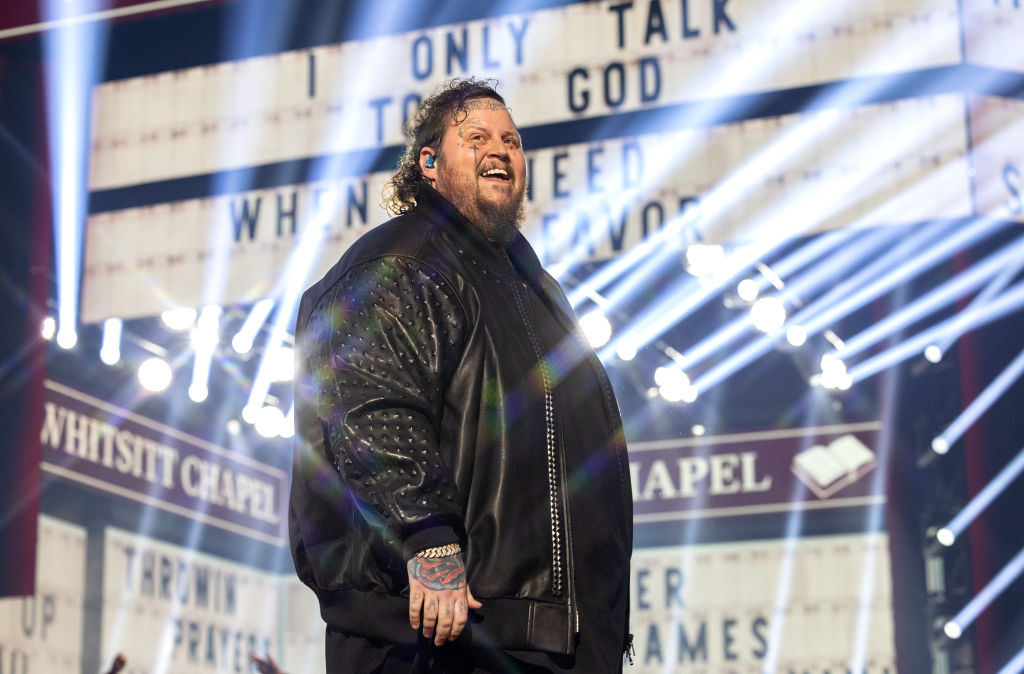
Jelly Roll Used to Think He Was Going to Die in His Sleep

Before his weight loss journey began, Jelly Roll didn’t just feel unhealthy—he genuinely believed he might not survive the night.

According to his health coach, Gary Brecka, the country star’s condition was so serious that Jelly would sleep propped up on his side, wedged between pillows, because lying on his back meant he couldn’t breathe. In fact, every morning, Jelly Roll would wake up and thank God he hadn’t died in his sleep.

The Grammy-nominated artist has been open about the emotional toll behind his health struggles, often tying it back to childhood trauma and ongoing battles with mental health.

But this new peek behind the curtain gives us a sense of just how dire things had gotten before he made a change.

Brecka shared more details in a recent interview, saying that when Jelly Roll first reached out, he didn’t sugarcoat a thing. His first message? “Do you work with fat people?” That blunt moment sparked a full-on partnership that changed Jelly’s life.

Jelly Roll at the 2023 CMT Music Awards held at Moody Center on April 2, 2023 in Austin, Texas.
(Photo by Christopher Polk/Variety via Getty Images)

At the time, Jelly Roll weighed around 500 pounds. He couldn’t even turn down the volume in his car without hearing himself wheeze at red lights. It wasn’t just about appearance or fitness, it was survival.

These days, Jelly has a full team supporting his transformation, including trainers and a personal chef. But Brecka says the biggest factor was always Jelly Roll himself.

From day one, it was clear Jelly was ready. “He was committed,” Gary said. “You could see it in his eyes.”

Jelly has also been using his platform to inspire others, showing that real change doesn’t always start with a perfect plan—it can start with one brutally honest question and the willingness to face it head-on.

As his story continues to unfold, it’s clear that Jelly Roll’s health journey is about a lot more than weight loss. It’s about healing, redemption, and proving that it’s never too late to fight for your life.

The Best and Worst Airports in America

While flying still comes with plenty of headaches (hi, baggage fees), it looks like travelers are finally feeling a little better about airports themselves. According to the latest J.D. Power airport satisfaction survey, overall satisfaction is up across North America, with scores climbing 10 points on a 1,000-point scale.

(I don’t know about you, but my airport satisfaction is at an all-time low.)

The study surveyed more than 30,000 U.S. and Canadian travelers and ranked airports based on things like terminal design, ease of travel, baggage claim, food and retail options, and staff friendliness.

Here’s how U.S. airports performed in 2025, broken down by size. We’ve included only the Top 5 Best and Top 5 Worst in each category — so if you’re looking to avoid a travel meltdown, this is your cheat sheet.


Mega Airports

(More than 33 million passengers per year)

Top 5 Best:

  1. Minneapolis–Saint Paul International (MSP)
  2. Detroit Metropolitan Wayne County (DTW)
  3. Phoenix Sky Harbor International (PHX)
  4. Dallas/Fort Worth International (DFW)
  5. Harry Reid International, Las Vegas (LAS)

Top 5 Worst:

  1. Newark Liberty International (EWR)
  2. San Francisco International (SFO)
  3. Miami International (MIA)
  4. Orlando International (MCO)
  5. John F. Kennedy International, New York (JFK)

Large Airports

(10 to 32.9 million passengers per year)

Top 5 Best:

  1. John Wayne Airport, Orange County (SNA)
  2. Tampa International (TPA)
  3. Dallas Love Field (DAL)
  4. Kansas City International (MCI)
  5. Raleigh-Durham International (RDU)

Top 5 Worst:

  1. Philadelphia International (PHL)
  2. Chicago Midway International (MDW)
  3. Fort Lauderdale–Hollywood International (FLL)
  4. LaGuardia Airport, New York (LGA)
  5. Seattle–Tacoma International (SEA)

Medium Airports

(4.5 to 9.9 million passengers per year)

Top 5 Best:

  1. Indianapolis International (IND)
  2. Ontario International, California (ONT)
  3. Buffalo Niagara International (BUF)
  4. Jacksonville International (JAX)
  5. Palm Beach International (PBI)

Top 5 Worst:

  1. Cleveland Hopkins International (CLE)
  2. Hollywood Burbank Airport (BUR)
  3. St. Louis Lambert International (STL)
  4. San Jose Mineta International (SJC)
  5. Bradley International, Connecticut (BDL)

What Makes a Good Airport?

The airports that landed on top tend to have easier navigation, shorter security lines, better food and drink options, and friendlier staff. The bottom-ranked ones? Think long wait times, packed gates, and fewer services.

So if you’re deciding between layovers or booking a trip out of town, these rankings might save you a few headaches — or at least help you pack some extra patience.

Exit mobile version