Do You Clean Your House for Your House Cleaner?

If you’ve ever tidied up before your house cleaner arrived––and felt a little silly about it––you’re actually in the majority.

Half of us would clean before a house cleaner arrived.

In a new YouGov poll, 53% said they would, and another 14% said maybe. Just 33% gave the expected answer: “No, that’s literally what I’m paying them for!”

While it may sound backward, there’s actually some logic to it. Maybe you want them to focus on the deeper-cleaning tasks (hello, toilet), rather than spend time picking up clutter or moving stuff around to get started.

But the trend of prepping for professionals doesn’t stop there.

95% of Americans brush their teeth before seeing the dentist.

Sure, a full cleaning is on the way. But we just can’t resist trying to make a good impression, even when the professionals are about to do a better job than we ever could. (And let’s be honest, we’re all still trying to trick them into thinking we’re that responsible person who flosses every night… not the slop who walks around all day with debris in their teeth.)

60% also wash their hair before getting it cut.

Even though most salons include a wash in the service, 60% of people said they usually wash their hair beforehand. So, apparently, not everyone wants to show up with bedhead or greasy roots, even if it’s just going to get shampooed anyway.

Is it pride? Politeness? Guilt? Whatever the reason, these findings highlight something relatable. We want to be seen as clean and put-together—even by the very people we hire to help us get that way.

So next time you’re frantically straightening up before the cleaning service rings your doorbell, just know: you’re in good, neurotic company.

Didn’t Get Into College? Try a Rejection Cake

In the age of viral college acceptance videos and decked-out bedroom celebrations, some high school seniors are flipping the script on rejection—and doing it with frosting.

The latest trend on social media? Rejection cakes.

Instead of quietly mourning the dreaded “We regret to inform you,” students like Ceci Skala from Needham, Massachusetts, are choosing to commemorate college rejections with a sense of humor—and a slice of cake. In a TikTok video that’s racked up more than 5 million views, Skala and her friends gather around a dessert decorated with the names and flags of elite universities that turned them down. They cheerfully chant, “This is our rejection cake!”

The cake, adorned with rejection pins from schools like Harvard, Yale, USC, Dartmouth, and Georgetown, isn’t just a joke—it’s a coping mechanism.

For Skala, who applied to 12 schools and was waitlisted at her top choice, the experience of laughing together with friends helped take the sting out of what can be a demoralizing time.

“If you’re applying to a hard college and you’re seeing all these acceptance videos, it’s going to hurt,” she says in the video. “You don’t see all the videos of everybody else getting rejected.”

She’s right. Social media is saturated with scenes of joy and triumph during admissions season, leaving many students to quietly question their worth in the absence of similar celebrations. The rejection cake offers an antidote to that pressure—one that says it’s okay to laugh through the disappointment.

And Skala’s not alone. A quick scroll through TikTok reveals other teens sharing their own versions of the trend, with cakes labeled things like “At least I have cake!” or “Rejection never tasted so sweet.”

In a way, it’s a refreshing counter to the curated perfection of college-bound content.

The trend, while playful, taps into something real: the collective anxiety, comparison, and stress baked into the modern college admissions process. By turning rejection into a shared joke (and dessert), students are reclaiming their narrative—and finding a little bit of joy in the “no.”

Who knew a denial could taste this good?

@ceciska12

Rejection cake!! ❌❌ (I promise shiran is going to college) #rejection #college

♬ original sound – ceci

Is “CocoMelon” Destroying Our Children’s Brains?

It’s one of the most-watched children’s shows in the world, but not everyone is singing along. “CoComelon” — the ultra-bright, music-driven animated series — has captivated millions of young viewers. Now, it’s also drawing criticism from some parents and influencers who claim it might be doing more harm than good.

Across social media, concerned parents are calling the show overstimulating, with some comparing it to “crack for kids.” Their main concern? The show’s rapid pacing, constant sound, and flashy visuals, which they say can lead to mood swings and behavioral issues — especially when it’s time to turn it off.

Too Much of a Good Thing?

One mom said she bans “CoComelon” in her house entirely. “It’s too fast-paced, it’s too aggressive, and I don’t like how big their eyes are. It’s scary,” she said in a now-viral video. “I also feel like the overstimulation is playing into the short attention span I think kids already have. When kids get used to constant entertainment, they struggle with boredom and quiet play.”

The sentiment has sparked a growing online conversation among parents, educators, and child development experts about how screen time — particularly high-stimulation content — impacts early development.

What Does the Science Say?

While research on “CoComelon” specifically is limited, studies have shown that rapidly paced media can affect attention regulation in young children. The American Academy of Pediatrics recommends limiting screen time for toddlers and encouraging unstructured, imaginative play to help develop focus and problem-solving skills.

That said, not all experts are in agreement that shows like “CoComelon” are inherently harmful. Context, content quality, and viewing habits all matter.

CoComelon Responds

The creators behind “CoComelon,” Moonbug Entertainment, have pushed back on the criticism. In a statement, the company said:

“We dedicate substantial care and resources to ensure all of our content, including ‘CoComelon’, is as enriching as it is entertaining. We work closely with experts in childhood development to inform our content development choices.”

The Takeaway

Whether “CoComelon” is helpful or harmful may depend more on how — and how much — it’s used. Like any screen-based activity, moderation is key. If you’re noticing meltdowns or withdrawal-like symptoms when the show ends, it might be worth mixing in quieter, slower-paced content — or better yet, some unplugged playtime.

Could You Beat a Polygraph? 1 in 12 People Say Yes

Think you could beat a lie detector? If you answer yes, you might just be overly confident—and maybe a man under 30.

1 in 12 people think they could.

A poll by YouGov found 8% of Americans are confident they could trick a polygraph into thinking they were telling the truth.

Men under 30 are the most confident they could beat a polygraph.

Men and people between 18 and 29 were the most likely to say they’re a good enough liar to outsmart those tests –– 11% of guys compared to just 6% of women, and 13% of people under 30 think they could do it too.

But here’s the twist: a lot of people don’t trust lie detectors in the first place.

Around 1 in 8 think polygraphs consistently identify truthful people as liars, and 3 in 4 think that kind of mistake happens at least occassionally. And it goes both ways. Roughly the same numnber think polygraphs let liars off the hook.

So, are we lying to ourselves about how good we are at lying? Or, were the people surveyed just lying about lying?

Honestly… that feels pretty on brand.

Five Signs You’ve Been Abducted by Aliens

A group of astronomers recently made headlines with claims they may have found signs of life on a planet 124 light years away. But according to one man in the U.K., the truth has already landed—and it might’ve taken you along for the ride.

Philip Kinsella says he was abducted by “reptilian” aliens back in 1989. The experience, he claims, involved beings that resembled small dinosaurs, a beam of light, and yes, the classic alien probe scenario.

Kinsella says he was taken aboard a ship, stripped naked, and subjected to strange experiments.

Since then, he’s spoken with many other people who believe they’ve also been abducted—and he’s convinced far more of us have had similar experiences but don’t realize it. Over the years, he’s compiled a list of five signs that might indicate an alien abduction.

Here’s what to look for:

Bumps under your skin
Kinsella says aliens often leave tiny implants beneath the skin—small enough to go unnoticed but visible on an X-ray. He describes them as the size of a grain of rice.

Nosebleeds
After his alleged abduction, Kinsella claims he had frequent and unexplained nosebleeds for two years. He believes this is a common after-effect, especially following “probing.”

Strange flashbacks
According to Kinsella, memories of abduction may be repressed but can resurface in fragments—especially in the form of sudden, vivid flashbacks.

Missing time
A recurring claim among alleged abductees is the sensation of lost time—like leaving for a quick walk and realizing hours have passed. Kinsella references one man who claims to have been abducted 60 times since the 1980s, often losing hours at a time.

Psychic powers
Perhaps the most bizarre claim: Kinsella says his reptilian captors “opened his mind” during the abduction, unlocking psychic abilities. He now works as a professional psychic medium.

Skeptical? You’re not alone. But Kinsella’s story—and others like it—continue to attract attention, especially as scientists inch closer to identifying habitable worlds beyond Earth.

So if you’ve ever found yourself with strange scars, lost time, or an unexplained sixth sense… maybe it wasn’t just a dream.

99% of Dogs Have Behavioral Issues—Yes, Even Yours

Think your dog is perfectly behaved? Science says: probably not.

A new study from Texas A&M University has revealed that more than 99% of dogs in the U.S. exhibit some kind of behavioral issue. Researchers examined data from over 43,000 dogs of all breeds, sizes, and ages, and found that a truly “perfect” pup—one with no problematic behaviors at all—is incredibly rare, showing up in less than 1% of the dogs studied.

The research looked at a range of behavioral categories, including aggression, separation and attachment issues, fear and anxiety, and house soiling (yes, we’re talking about those “oops” moments on your rug).

They found that 99.12% of dogs showed at least one behavior rated as moderately serious or worse, or at least two moderate-to-serious issues.

So what’s the most common problem? Attachment-related behaviors topped the list. These are signs of separation anxiety and emotional dependence, such as pacing, restlessness, clinginess, escape attempts, or destructive behavior like chewing and barking when left alone. In short, your dog missing you might be more of a red flag than a sweet quirk.

Aggression—like growling, snapping, and biting—was also a frequent issue.

Though not always dangerous, even minor signs of aggression can signal deeper behavioral or psychological concerns. While some behaviors may seem harmless or even cute, experts say it’s crucial to take them seriously. Your dog’s odd or disruptive behavior might be a symptom of anxiety, discomfort, or unmet needs. The researchers emphasize the importance of involving your vet, who can help you understand your dog’s mindset and determine if further behavioral intervention is needed.

Most pet parents admit their dogs aren’t perfect.

But many still believe theirs falls into that elite 0.88%. Until, of course, their “well-behaved angel” flips out on the mail carrier or loses it over a squirrel. Cue the classic defense: “Luna NEVER does this… I don’t know what’s gotten into her today!”

The takeaway? If you think your dog is the exception, the data says you’re probably not. But knowing that you’re not alone might help take the sting out of the next chewed-up slipper.

What’s the Riskiest Meal You’ve Eaten While Driving?

April marks National Distracted Driving Awareness Month, and a new report highlights just how far drivers are willing to push their multitasking limits — and common sense — behind the wheel.

While it’s no surprise that 86% of drivers admit to being distracted by technology (mostly their phones), the report uncovers a wider—and wilder—array of behaviors that make our roads more dangerous.

Putting the “Multi” in Multitasking

Among the top distractions: grooming. Nearly 27% of drivers say they’ve gotten ready for the day while driving. That includes changing clothes, shaving, applying makeup, and even painting their nails. Gen Z takes the crown here, with a staggering 50% admitting to touching up their look on the go.

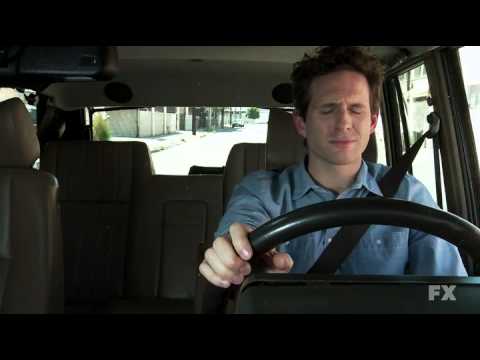
Then there’s eating — and we’re not talking about a quick granola bar. A full 72% of drivers who eat behind the wheel confess to tackling meals that probably require a table and a bib. Think BBQ ribs. Or soup. Hot soup. (Cereal also isn’t a good call. “Always Sunny” covered it in Season 8.)

Possibly the most concerning trend? Filming content. Nearly three-quarters of drivers say they’ve either created or witnessed someone filming videos or making social media posts while driving.

Emotional Baggage Rides Shotgun

It’s not all selfies and snacks. Emotional distractions like stress and anxiety also play a role. One in five drivers say stress from work, school, or relationships can pull their focus. It’s a reminder that mental distractions are just as risky as physical ones.

Where It’s Worst — and Safest

The report also maps out the most distracted driving states, with the Southwest lighting up red. California, Arizona, New Mexico, Texas, Nevada, Utah, and Colorado top the danger list. Florida, North Carolina, Michigan, and Connecticut also rank high, with additional hotspots throughout the South and parts of the Northeast.

In contrast, the safest drivers are mostly clustered in the less densely populated heart of the country — think Montana, Wyoming, the Dakotas, and Minnesota — with Maine and Vermont also getting high marks for safe driving habits.

So next time you’re behind the wheel, maybe skip the content creation, hold the hot soup, and save the charcuterie for later.

You’re Mowing Your Grass Wrong

As lawn-mowing season kicks into high gear, now’s a good time to ask yourself: are you actually mowing your yard correctly? According to lawn care experts, even seasoned homeowners get a few things wrong — and those mistakes could be doing more harm than good.

Here are four common mowing errors, and how to correct them for a healthier, better-looking lawn.

Mowing in the Same Direction Every Time

It’s easy to fall into the habit of mowing in straight lines, back and forth, the same way each week. But if you’re always following the same pattern, you’re training your grass to lean — and grow — in one direction. Over time, this can compact the soil and weaken your lawn’s overall health.

The fix: Vary your mowing direction every time. If you mowed north-to-south last week, go east-to-west next time. It may feel weird at first, but your grass (and soil) will thank you.

Starting in the Middle of Your Lawn

Beginning your mow in the center might feel strategic, but it usually means you’ll double back across areas you’ve already covered. That’s not just inefficient — it also adds unnecessary wear and tear to your grass.

The fix: Start on one side of your yard and work your way across methodically. Aim to make a single pass over each section and avoid trampling freshly cut grass with heavy mower wheels.

Using the Wrong Mower for Your Yard Size

A riding mower may look like a fun upgrade, but unless your yard is huge, it might be doing more harm than good. Riding mowers are harder to maneuver in tight spaces and can create uneven cuts if your lawn isn’t level.

The fix: For yards smaller than half an acre, stick to a push mower. You’ll get better precision, less fuel consumption, and potentially even a mini workout.

Neglecting Your Mower Blades

Dull blades don’t slice your grass cleanly — they tear it, leaving ragged edges that can turn brown and make your lawn more susceptible to disease.

The fix: Sharpen your blades at least once per season. You can grab a blade sharpener online for around $10. Just don’t overdo it — blades should be about as sharp as a kitchen knife, not razor-sharp, which can increase the risk of chipping if you hit a rock.

A well-manicured lawn isn’t just about aesthetics. Cutting your grass the right way keeps it healthy, helps it grow stronger, and reduces the need for extra maintenance. So before you fire up the mower this weekend, take a minute to rethink your routine. Your grass deserves better.

Parents Snap Over 1,000 Photos in Their Baby’s First Year

A new poll from Horizon Organic reveals that today’s new parents are documenting their baby’s first year like never before—snapping an average of 1,000 photos, or about three a day.

The survey sheds light on how much parents cherish even the tiniest moments, capturing everything from sleepy yawns to the first gummy smile. But it’s not just about the photos.

The poll also found that parents are tracking an average of 48 different milestones in that all-important first year. Among the top three most anticipated: a baby’s first steps, first word, and first laugh.

This surge in documentation isn’t too surprising in an era when every smartphone is a camera and every cute moment is a potential social media post. But it also speaks to a deeper desire among parents to preserve fleeting moments that pass all too quickly.

While milestones bring joy, they can also stir up anxiety—especially when it comes to food. According to the same poll, 56% of new parents admit they’re already worried about their baby becoming a picky eater. For a brand like Horizon Organic, which focuses on healthy food options for kids, that concern hits close to home.

The results highlight just how intensely modern parenting has evolved. Where once baby books sufficed, now it’s digital albums, milestone-tracking apps, and curated Instagram highlights. And while the pressure to “capture everything” can be overwhelming, it’s clear that for most parents, it’s worth it to document every laugh, every stumble, and yes, every spoonful of mashed carrots flung across the kitchen.

In a world that moves fast, today’s parents are trying to freeze time—one snapshot at a time.

Do You Remember These Nostalgic ’90s Scents?

If you grew up in the 1990s, chances are your childhood soundtrack gets a lot of love. People will happily spend hours arguing about the best boy band, the greatest one-hit wonder, or whether peak MTV was basically a cultural miracle. But the real memory machine might not be music at all. It might be smell.

A new online ranking rounds up the most nostalgic scents from the ’90s, and honestly, it reads like a scented time capsule. For anyone now in their 30s, 40s, or 50s, this list is less “top aromas” and more “instant flashback trigger.” One second you are reading it, the next you are mentally back in a classroom, toy aisle, or mall food court.

At the top of the list is Play-Doh, which technically belongs to more than just the ’90s, but absolutely deserves a spot. That smell is weirdly specific, instantly recognizable, and impossible to confuse with anything else on Earth.

And don’t you ever forget Bubble Tape, the gum that came packed in that iconic pink plastic puck.

Then come Scratch & Sniff Stickers, which basically turned school supplies into a sensory event, and Mr. Sketch Scented Markers, which for a lot of people could easily be number one. If you know, you know.

The ranking keeps the nostalgia rolling with scented erasers, Lip Smackers, Strawberry Shortcake dolls, and Fruit Stripe Gum, which may have lost its flavor in about nine seconds, but definitely left an impression. Koosh Balls also made the list, proving that even toys somehow had a signature smell back then.

Then there is the mall-era lineup: anything from Bath & Body Works

Plus perfumes like Sunflowers and CK One. Add in Teen Spirit deodorant and suddenly the entire list starts to smell like a school dance, a sleepover, and a trip to the mall wrapped into one.

Rounding things out are scented pencils, scented gel pens, and Floam, that strange part-slime, part-clay substance that felt like it came straight from a toy lab and probably was mostly chemicals.

The funniest part of this whole ranking is that none of these scents were exactly subtle. Many were aggressively artificial, highly questionable, and probably not something you would want bottled as a luxury candle today. But nostalgic? Absolutely.

Turns out the ’90s did not just have a sound. They had a smell too. And apparently, a whole generation still remembers it.

Exit mobile version