Didn’t Get Into College? Try a Rejection Cake

In the age of viral college acceptance videos and decked-out bedroom celebrations, some high school seniors are flipping the script on rejection—and doing it with frosting.

The latest trend on social media? Rejection cakes.

Instead of quietly mourning the dreaded “We regret to inform you,” students like Ceci Skala from Needham, Massachusetts, are choosing to commemorate college rejections with a sense of humor—and a slice of cake. In a TikTok video that’s racked up more than 5 million views, Skala and her friends gather around a dessert decorated with the names and flags of elite universities that turned them down. They cheerfully chant, “This is our rejection cake!”

The cake, adorned with rejection pins from schools like Harvard, Yale, USC, Dartmouth, and Georgetown, isn’t just a joke—it’s a coping mechanism.

For Skala, who applied to 12 schools and was waitlisted at her top choice, the experience of laughing together with friends helped take the sting out of what can be a demoralizing time.

“If you’re applying to a hard college and you’re seeing all these acceptance videos, it’s going to hurt,” she says in the video. “You don’t see all the videos of everybody else getting rejected.”

She’s right. Social media is saturated with scenes of joy and triumph during admissions season, leaving many students to quietly question their worth in the absence of similar celebrations. The rejection cake offers an antidote to that pressure—one that says it’s okay to laugh through the disappointment.

And Skala’s not alone. A quick scroll through TikTok reveals other teens sharing their own versions of the trend, with cakes labeled things like “At least I have cake!” or “Rejection never tasted so sweet.”

In a way, it’s a refreshing counter to the curated perfection of college-bound content.

The trend, while playful, taps into something real: the collective anxiety, comparison, and stress baked into the modern college admissions process. By turning rejection into a shared joke (and dessert), students are reclaiming their narrative—and finding a little bit of joy in the “no.”

Who knew a denial could taste this good?

@ceciska12

Rejection cake!! ❌❌ (I promise shiran is going to college) #rejection #college

♬ original sound – ceci

How Many Men Would It Take to Defeat a Moose in Hand-to-Hand Combat?

“That moose is [bleeping] huge.”

If you’ve ever encountered a moose in the wild, you know they’re not to be messed with. Towering nearly 8 feet tall and weighing in at over 1,500 pounds, these massive mammals are more than just majestic — they’re terrifying. Country singer Colby Acuff knows this all too well, having had several close encounters with moose in his home state of Idaho.

So it’s probably not surprising that he’s developed a bit of a fascination with the question:

How many people would it take to take down a moose in hand-to-hand combat?

Acuff recently posed this hypothetical during an interview, clarifying that the fight would involve no weapons — just people versus moose. One interviewer responded with a pop culture reference, comparing the challenge to taking down an AT-AT from Star Wars. “You’d have to go for the legs,” they said. “But even that might not be enough.”

That’s when Colby delivered his number: 30 people.

“I always say 30,” he explained. “Because when it starts, it’s going to be heinous.”

The response stunned the interviewer, who admitted they might not fully grasp just how large and powerful a moose really is. According to Acuff, that’s the point — people consistently underestimate them. He joked that moose are strong enough to match the force of 30 men, which may sound exaggerated, but after hearing his near-miss stories, you might think twice before calling it hyperbole.

Moose aren’t typically aggressive, but they’re certainly capable of defending themselves with surprising speed and strength. Every year, there are reports of people and even vehicles being charged or damaged by moose — especially if the animal feels threatened or is protecting a calf.

While Acuff’s scenario is obviously tongue-in-cheek, it’s rooted in real respect for a creature that dominates any forest it wanders through. And maybe that’s the point: Don’t mess with a moose — even if you’ve got 29 friends backing you up.

Five Signs You’ve Been Abducted by Aliens

A group of astronomers recently made headlines with claims they may have found signs of life on a planet 124 light years away. But according to one man in the U.K., the truth has already landed—and it might’ve taken you along for the ride.

Philip Kinsella says he was abducted by “reptilian” aliens back in 1989. The experience, he claims, involved beings that resembled small dinosaurs, a beam of light, and yes, the classic alien probe scenario.

Kinsella says he was taken aboard a ship, stripped naked, and subjected to strange experiments.

Since then, he’s spoken with many other people who believe they’ve also been abducted—and he’s convinced far more of us have had similar experiences but don’t realize it. Over the years, he’s compiled a list of five signs that might indicate an alien abduction.

Here’s what to look for:

Bumps under your skin
Kinsella says aliens often leave tiny implants beneath the skin—small enough to go unnoticed but visible on an X-ray. He describes them as the size of a grain of rice.

Nosebleeds
After his alleged abduction, Kinsella claims he had frequent and unexplained nosebleeds for two years. He believes this is a common after-effect, especially following “probing.”

Strange flashbacks
According to Kinsella, memories of abduction may be repressed but can resurface in fragments—especially in the form of sudden, vivid flashbacks.

Missing time
A recurring claim among alleged abductees is the sensation of lost time—like leaving for a quick walk and realizing hours have passed. Kinsella references one man who claims to have been abducted 60 times since the 1980s, often losing hours at a time.

Psychic powers
Perhaps the most bizarre claim: Kinsella says his reptilian captors “opened his mind” during the abduction, unlocking psychic abilities. He now works as a professional psychic medium.

Skeptical? You’re not alone. But Kinsella’s story—and others like it—continue to attract attention, especially as scientists inch closer to identifying habitable worlds beyond Earth.

So if you’ve ever found yourself with strange scars, lost time, or an unexplained sixth sense… maybe it wasn’t just a dream.

Health Hack? Eat an Entire Wedge of Parmesan Cheese

In the ever-evolving world of food trends, protein is still king. From powder-packed smoothies to protein-fortified pastas, the pursuit of gains — or just staying full — has led social media users down some interesting dietary paths. But the latest obsession? Full-on snacking on blocks of parmesan cheese.

Yes, you read that right.

Across TikTok, influencers and everyday users alike are posting videos of themselves gnawing on wedges of Parmigiano Reggiano like it’s a granola bar. One viral post shows a woman in her car unwrapping a hefty block of the aged Italian cheese, biting into it like an apple. Her caption? “I’m over protein bars. Switching to full blocks of parmesan.”

And she’s not alone. Multiple clips are floating around, racking up millions of views — and raising a few eyebrows.

The Appeal: Protein, Protein, Protein

To be fair, parmesan does have nutritional chops. A single ounce contains over 10 grams of protein, making it one of the highest-protein cheeses you can eat. It’s also lactose-free and packed with calcium, which gives it an added edge for health-conscious snackers.

But experts say moderation is key — and that doesn’t mean plowing through a wedge during your afternoon commute.

The Downside: Sodium and Saturated Fat

While it may be a protein powerhouse, parmesan is also dense in sodium and saturated fat. That means snacking on it in large quantities could do more harm than good if it becomes a daily habit.

Dietitians recommend enjoying parmesan in smaller amounts — perhaps shaved over vegetables or pasta — and pairing it with fiber-rich foods like fruit or whole grains to help balance your meal and support digestion.

The Verdict

There’s nothing wrong with loving parmesan — it’s a kitchen staple for a reason. But when it comes to protein trends, eating it like a candy bar probably isn’t the most balanced approach.

So sure, if you’re bored of your protein bar routine and want a savory switch-up, nibbling a few bites of high-quality cheese isn’t a nutritional crime. Just maybe leave the block-snacking for the cameras — and keep your heart health in mind while you’re at it.

What’s the Riskiest Meal You’ve Eaten While Driving?

April marks National Distracted Driving Awareness Month, and a new report highlights just how far drivers are willing to push their multitasking limits — and common sense — behind the wheel.

While it’s no surprise that 86% of drivers admit to being distracted by technology (mostly their phones), the report uncovers a wider—and wilder—array of behaviors that make our roads more dangerous.

Putting the “Multi” in Multitasking

Among the top distractions: grooming. Nearly 27% of drivers say they’ve gotten ready for the day while driving. That includes changing clothes, shaving, applying makeup, and even painting their nails. Gen Z takes the crown here, with a staggering 50% admitting to touching up their look on the go.

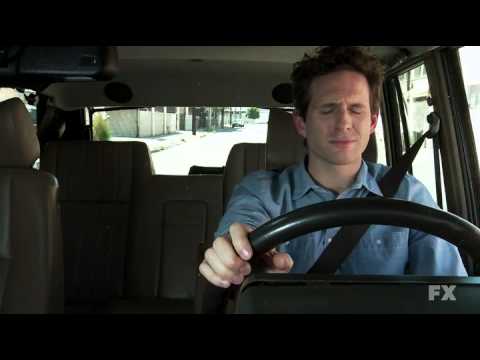
Then there’s eating — and we’re not talking about a quick granola bar. A full 72% of drivers who eat behind the wheel confess to tackling meals that probably require a table and a bib. Think BBQ ribs. Or soup. Hot soup. (Cereal also isn’t a good call. “Always Sunny” covered it in Season 8.)

Possibly the most concerning trend? Filming content. Nearly three-quarters of drivers say they’ve either created or witnessed someone filming videos or making social media posts while driving.

Emotional Baggage Rides Shotgun

It’s not all selfies and snacks. Emotional distractions like stress and anxiety also play a role. One in five drivers say stress from work, school, or relationships can pull their focus. It’s a reminder that mental distractions are just as risky as physical ones.

Where It’s Worst — and Safest

The report also maps out the most distracted driving states, with the Southwest lighting up red. California, Arizona, New Mexico, Texas, Nevada, Utah, and Colorado top the danger list. Florida, North Carolina, Michigan, and Connecticut also rank high, with additional hotspots throughout the South and parts of the Northeast.

In contrast, the safest drivers are mostly clustered in the less densely populated heart of the country — think Montana, Wyoming, the Dakotas, and Minnesota — with Maine and Vermont also getting high marks for safe driving habits.

So next time you’re behind the wheel, maybe skip the content creation, hold the hot soup, and save the charcuterie for later.

MLB Ballpark Food Goes Off the Rails with ‘Glizzilla’ and Funnel Cake Sundaes

Baseball season is back, and so is one of its most beloved traditions, wildly over-the-top ballpark food. From giant hot dogs to desserts that feel like dares, Major League Baseball stadiums are once again competing to see who can outdo everyone’s arteries.

This year’s lineup of absurd eats is already turning heads online, with fans sharing photos, reactions, and probably antacid recommendations. If you thought peanuts and Cracker Jack were the peak of baseball snacking, buckle up.


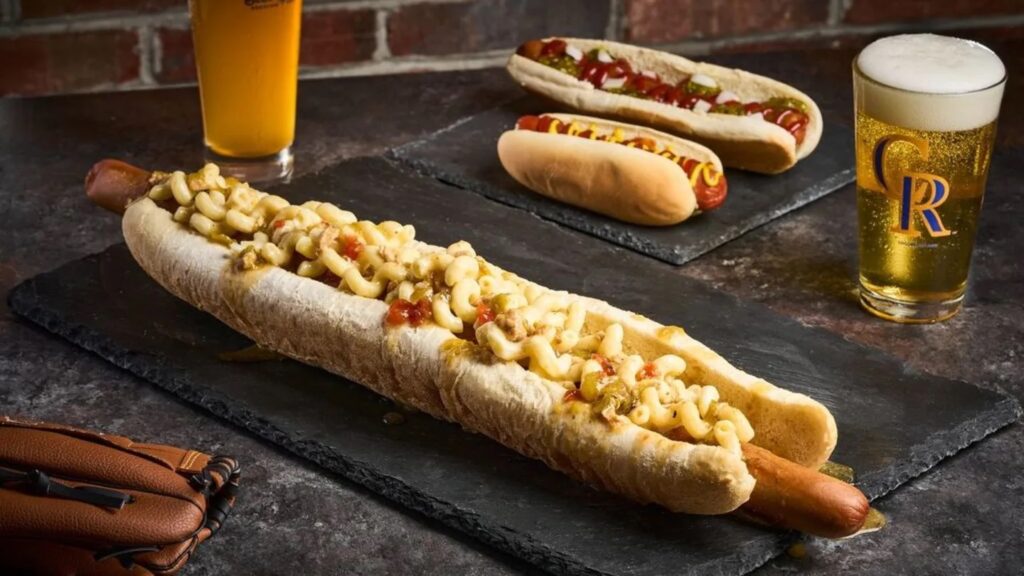
One of the biggest stars of the menu might be the “Glizzilla,” a two-foot-long hot dog served by the Colorado Rockies. Yes, two feet. It comes loaded with whatever toppings you can handle, and while it is technically “meant for sharing,” that feels like a suggestion, not a rule. Social media is already comparing it to a certain spaghetti scene from a classic animated movie, and honestly, that checks out.


Over in Philadelphia, things take a sugary turn with the “Schwarbomb Sundae.” This dessert comes in a mini helmet and piles on ice cream, strawberry sauce, fruity cereal, and, because why not, a funnel-cake-fried Uncrustable. It is part carnival, part baseball, and entirely chaotic. Whether it is delicious or just impressive depends on your sweet tooth and your bravery.


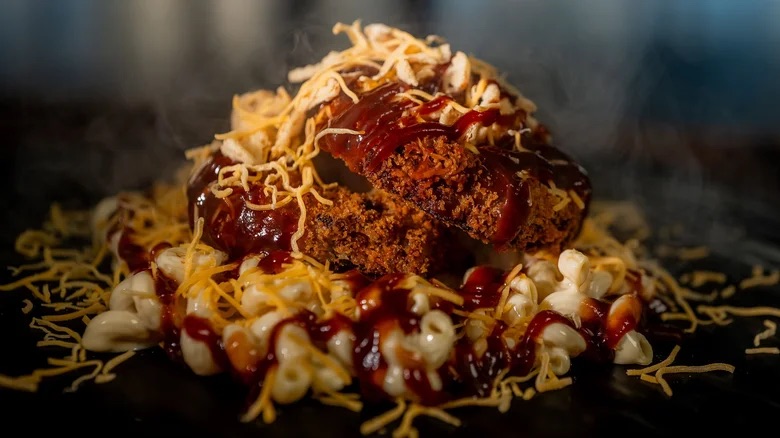
Not to be outdone, the Houston Astros are serving brisket doughnuts. That is exactly what it sounds like, brisket stuffed inside a doughnut, topped with barbecue sauce and mac and cheese. It is the kind of food that makes you pause, think, and then immediately try anyway.


If you are more of a “drink your calories” person, the Arizona Diamondbacks have you covered with the “Take Me Out to the Ballgame Shake.” It is a milkshake loaded with whipped cream, peanut butter sandwich cookies, and Cracker Jack. It sounds nostalgic until you realize it might also double as a full meal.


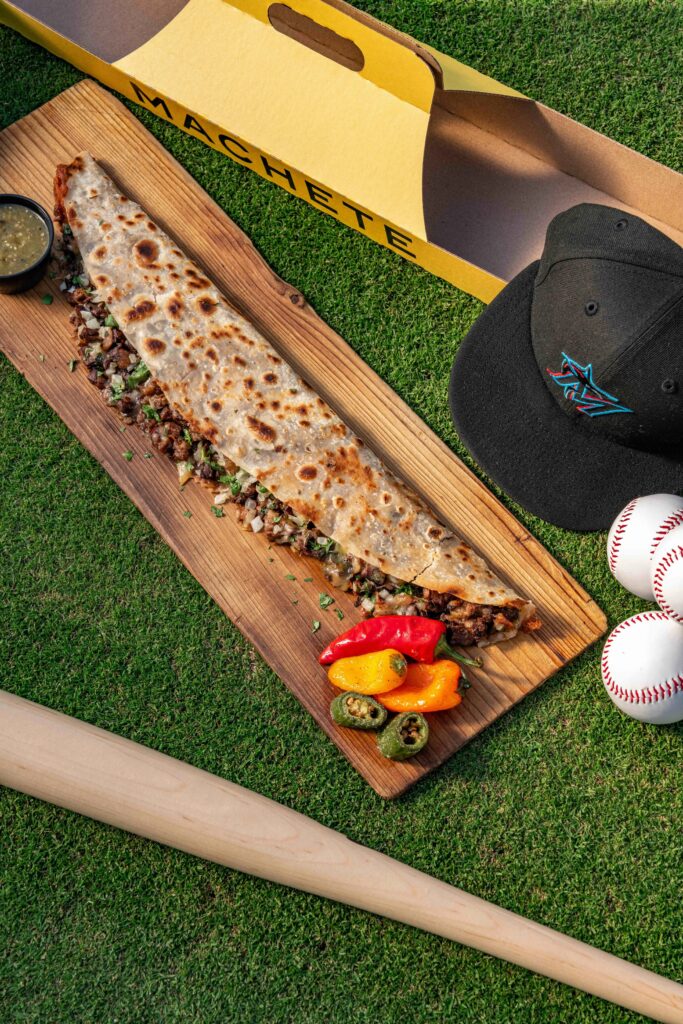
Meanwhile, both the Miami Marlins and Chicago White Sox are offering “The Machete,” a two-foot-long carne asada quesadilla that actually looks somewhat reasonable compared to everything else on this list. And for dessert lovers in Kansas City, the Royals have a s’mores quesadilla stuffed with Nutella, marshmallow fluff, and graham cracker crumbs, topped with strawberry pico de gallo for a sweet twist.


Ballpark food has clearly evolved into its own kind of entertainment. Whether you are there for the game or just the Instagram post, one thing is certain, nobody is leaving hungry. Or possibly, able to move very fast afterward.

Robot Dogs Guarding Data Centers? The Future Is Getting Weird Fast

Robot dogs guarding data centers might sound like something straight out of a sci-fi movie, but it’s already happening. As data centers continue expanding across the country to support growing A.I. demands, security is getting a serious upgrade, and yes, it includes four-legged robots on patrol.

According to a new report, some facilities are now using robotic dogs to help protect their infrastructure. These machines are about the size of a large dog, but instead of fetching tennis balls, they’re busy patrolling fences, inspecting equipment, and spotting potential problems before they turn into expensive outages.

So basically, less “good boy,” more “system alert.”

Robot dogs aren’t entirely new. They’ve already been used by first responders and even the military. But guarding data centers might be their most low-key assignment yet, even if it still sounds a little intimidating. Imagine hopping a fence and being greeted by a metal dog that doesn’t blink.

Of course, this level of tech doesn’t come cheap. A single robot dog can cost anywhere from $175,000 to $300,000. But depending on how you look at it, companies may still see it as a bargain. One robotics expert pointed out that a human security guard can cost around $150,000. So instead of hiring two guards, companies could pair one human with a robot and potentially save money.

Plus, robots don’t call in sick, don’t take vacations, and definitely don’t get distracted scrolling their phones.

If that wasn’t futuristic enough, there’s even more on the horizon. Researchers at an Australian biotech startup are exploring something called “biological data centers.” Instead of relying on traditional computer chips, these systems would use neurons grown from human blood stem cells.

To be clear, they’re not using actual people, but they are using human-derived brain cells to help power computing systems. Which somehow feels both fascinating and a little unsettling at the same time.

So while robot dogs are already roaming the perimeter, the inside of these data centers could eventually be powered by something that’s part human, at least on a cellular level.

The takeaway here is simple. The future of tech is arriving fast, and it’s bringing some very strange ideas with it. From robotic security guards to brain cell-powered computing, data centers are becoming a lot more than just rows of servers. And honestly, it might be a good idea to stay on their good side.

Would You Wear a Device to Study Your Farts?

Researchers at the University of Maryland have created a wearable fart-tracking device, and yes, it does exactly what it sounds like. The tiny gadget clips onto your underwear and records every time you pass gas. The goal is to help scientists finally answer a surprisingly complicated question: how often do people fart in a normal day?

While the concept might sound like a punchline, researchers say the project is actually serious medical science. Right now, there is no clear baseline for what counts as a “healthy” amount of intestinal gas. Doctors often rely on patients to self-report their symptoms, which can be… unreliable.

One of the physicians involved in the research explained that more than one in five people say they experience excess gas, but there has never been an objective way to measure it.

That is where the new wearable device comes in. By collecting real data, scientists hope to better understand digestive health and what “normal” really looks like.

The device itself is about the size of a nickel and designed to be worn discreetly. Volunteers simply clip it onto their underwear and go about their day while it logs each, well, emission. Participants in the study are asked to wear it for three days so researchers can gather enough data to analyze patterns.

The effort is now expanding across the country through a project called the Human Flatus Atlas, which is collecting data from volunteers nationwide. The idea is to build the most comprehensive dataset ever assembled on human gas production. If that sounds like a weird research project, you are not alone, but the scientists involved are genuinely excited about what they might learn.

Early results have already shown that the range varies widely from person to person. Some participants pass gas as few as four times per day. Others have recorded up to 175 in a single day, which averages out to roughly one every eight minutes.

For anyone worried about where they fall on the spectrum, the researchers say the study is still in its early stages. Right now, they are simply gathering data and trying to understand how much variation exists.

The lead doctor behind the project says that uncertainty is part of what makes the research so exciting. As he put it, exploring the unknown is where some of the most interesting discoveries happen.

Even if those discoveries happen to be about farts.

Everybody Hates Mondays, Even Retired People

If you woke up today feeling a little “meh,” you’re definitely not alone. A new poll confirms what most of us have suspected forever, Monday is still the least popular day of the week, and it is not even close.

In fact, only 42% of employed Americans say they have a favorable opinion of Mondays. That makes it the clear loser in the weekly popularity contest, which honestly feels about right for the day most associated with alarm clocks, inbox overload, and pretending you are “refreshed” after the weekend.

From there, things improve quickly. Each day gets a little more love as the week rolls on, building up to the real MVP, Saturday. A whopping 85% of working people say they like Saturdays, with Sunday close behind at 78%. That slight dip for Sunday likely comes from that familiar late-day anxiety, when you realize Monday is quietly lurking around the corner.

But here is where things get interesting. Even retired people, who technically live in a world where every day could feel like Saturday, still rank Monday dead last.

Sure, they are a bit more forgiving. About 69% of retirees say they are okay with Mondays, which is much higher than the working crowd. Still, it is their least favorite day of the week. So apparently, Monday’s reputation is so bad it survives even after the need for a job disappears.

The rest of the week for retirees is basically a three-way tie. Tuesday, Wednesday, and Thursday all land at 77% favorability. That kind of supports the long-running joke that once you retire, the days start to blend together. Except, apparently, Monday still manages to stand out, just not in a good way.

There is at least some good news to balance all this out. The same poll asked about favorite months, and things get a lot more cheerful there.

Unsurprisingly, January and February rank at the bottom. Cold weather, post-holiday blues, and long stretches without a day off probably do not help. But things pick up in March and keep climbing.

October takes the top spot overall, with 78% of people saying they like it. May comes in second at 76%, followed by April at 74%. Summer months like June, July, and August all perform well too, along with September.

So while Mondays may never win any popularity contests, at least we have weekends and a few great months to look forward to. And if nothing else, this proves one thing, even if you retire someday, Monday is still going to find a way to annoy you.

The Best and Worst Sounds to Make in Bed

Wait… is lying there silent and motionless not a turn-on? Hmm, might have to adjust my technique.

A survey by the dating (err, hook-up) site SaucyDates.com asked men and women to rank some of the most common noises people make during sex.

If you’re not sure what your signature sound should be in the bedroom, here’s a handy guide to what people actually like, and what makes them want to fake a headache.

How Popular Are These Sex Sounds?

1. Moaning

  • 91% of men like it
  • 77% of women like it

Verdict: The universal go-to. Moaning is the gold standard of bedroom sounds.


2. Talking Dirty

  • 77% of men
  • 74% of women

Verdict: Verbal flirting works. If you’ve got a sexy voice and/or a decent imagination, you’re in business.


3. Heavy Breathing

  • 60% of men
  • 46% of women

Verdict: Totally acceptable. Sounds of exertion = still hot… just maybe don’t sound like you’re running a marathon.


4. Screaming

  • 51% of men
  • 36% of women

Verdict: It’s polarizing. Some like it wild, others prefer their neighbors not call the cops.


5. Swearing

  • 39% of men
  • 31% of women

Verdict: High risk, high reward. When done right, it’s hot. When done wrong, it’s…awkward.


6. Squeaking

  • 28% of men
  • 15% of women

Verdict: Is this you, or the bed? Either way, it’s not topping anyone’s fantasy list.


7. Silence

  • 8% of men
  • 13% of women
  • Verdict: So, 1 in 12 men and 1 in 8 women actually do like the silent treatment. Maybe I don’t need to change my technique after all.

Bonus: The Worst Phrases to Say in Bed

They also polled people to find the worst lines to blurt out in the sack. Whether you’re getting it on with a man or a woman, #1 is the same for both. But then things get interesting.

Top Lines Men Don’t Want to Hear

1. The wrong name
2. “I need to poop.”
3. “What time is it?”
4. “That’s it?”
5. “Get it over with.”

Top Lines Women Don’t Want to Hear

1. The wrong name
2. “I can’t do it.”
3. “I’m going soft.”
4. “Did you do this with your ex?”
5. Any mention of the woman’s sister

Exit mobile version