If one of your 2026 resolutions is to loosen up and just have more fun, you picked a good year for it. According to Google, the internet is having a full-blown whimsy moment.
Searches for the word whimsy are at an all-time high, with phrases like “year of whimsy,” “whimsy goals,” and “how to add more whimsy to your life” climbing the charts.
What is “whimsy”?
The official definition? “Behavior that is unusual, playful, and unpredictable, rather than having any serious reason or purpose behind it.” Translation: doing stuff just because it sparks joy, not because it’s productive.
Social media is feeling very whimsical
TikTok and Instagram are bursting with creators and influencers showing off their most whimsical selves – think cottagecore aesthetics, bubble machines, skipping stones, and painting for no reason other than “it felt right.” One influencer described the lifestyle as a blend of “dilly-dallying” and “farting around.” If that’s not a vibe for 2026, what is?
Why is doing things on a whim so attractive?
The trend seems to be tapping into a broader cultural shift toward more analog living. People are actively spending less time online and more time doing real-life things that aren’t optimized for views or monetized. Whimsy is now being linked to slow living, mindfulness, and just letting yourself be a little weird on purpose.
It’s also giving serious “Word of the Year” energy. “The Huffington Post” is already predictingwhimsy could take the crown. And honestly, after years of hustle culture and digital burnout, it makes sense that we’d swing in the opposite direction and romanticize things like twirling in a field or crafting with glitter.
So if you’re feeling the pull to embrace your inner child, go ahead and buy that kite, bake those rainbow cupcakes, or write a haiku about your cat. Whimsy isn’t about results – it’s about the random, delightful detours that make life more fun to live.
Call it silly. Call it impractical. But in 2026, whimsy might just be the sanest trend out there.
2026 is the year of whimsy 🌟🧚🩷 we are bringing back analogue and all the joy and playfulness this year 🙂 welcome to my 2026 ins and outs…and follow for pt 2 with the outs! 🫶 i wanna know how you are adding whimsy to your life in 2026!!! #analog#whimsy#whimsical#2026#personalgrowth
If you’ve ever been told you look like a celebrity—but not in a good way—you might have a new label: choppelganger.
The term is catching fire online, and like most Gen Z slang, it’s funny, blunt, and just a little mean.
A choppelganger is basically the budget version of a doppelganger—if that doppelganger got “chopped.” The word mashes up chopped (which now means “unattractive” or “busted” in internet slang) with doppelganger, meaning someone who looks just like someone else. So yeah, a choppelganger is someone who resembles another person… just not in the most flattering way.
It’s not exactly a compliment, but it’s not always meant to be cruel either. The term seems to walk that fine line between playful roast and low-key insult, depending on who’s saying it—and how well you know them.
Think of it as the meme version of “you look like if [insert celebrity] had a rough week.”
Choppelganger started making waves on TikTok and Twitter (sorry, X) sometime last year, but it’s been gaining traction in recent months. One viral TikToker joked that people call her the “Mick Jagger choppelganger,” and then promptly told everyone, “If you think someone has a choppelganger, keep it to yourself.” Fair enough.
It’s unclear who coined the word first, but it clearly hit a nerve online. In a digital world obsessed with comparisons and curated looks, it’s no surprise that Gen Z would invent a whole new way to gently (or not-so-gently) roast someone’s vibe.
Just remember: for every choppelganger, there’s probably someone out there who thinks you look like the hotter version. So take it with a grain of salt, or better yet, a strong Wi-Fi signal and a sense of humor.
It is 2026, and somehow the most cutting-edge trend on social media is… 2016. Yes, really. A full decade later, people are flocking back to peak Obama-era internet vibes under the hashtag #BringBack2016.
According to TikTok, searches for “2016” have jumped a ton, and more than 55 million videos have recently been made using 2016-style filters. And Spotify reports a massive spike in playlists labeled “2016.” The internet has officially decided skinny jeans, Vine energy, and unhinged joy are back on the menu.
Sure, old trends becoming new again is nothing shocking. Fashion, music, and pop culture are built on nostalgia cycles. But usually that takes a generation or two. This time, it only took ten years, which feels suspiciously fast. Something clearly broke along the way.
There is no single explanation for why 2016 is trending again, but one popular theory is that Gen Z is already over 2026 and wants a full-on cultural factory reset. Early 2016 is being remembered as a time when things felt simpler, and more optimistic.
The internet was still chaotic, but in a fun way, not a soul-sucking way.
This revival is not just about throwback fashion or blurry filters. People are bringing back old-school social media challenges… along with the music, memes, and overall vibe of that era.
The current online landscape is bloated with A.I. junk. Social media now feels heavily curated, overly edited, and aggressively performative. Everything looks promoted, optimized, and just a little too polished to feel real.
Back in 2016, feeds were messier and more spontaneous. Videos were bad on purpose. Trends felt organic. Not everything was trying to sell you something or go viral through an algorithmic obstacle course.
So for now, people are rewinding the clock, chasing an internet that felt more human and less exhausting.
(And if you are already feeling nostalgic, the latest of the weekly “10 Things That Happened 10 Years Ago” series is live on TheTopicalFruit.com.)
Modern dating is hard, so why not hand the whole task off to your parents? What could possibly go wrong? 👀
According to the Wall Street Journal, Gen Z and millennial singles have started outsourcing their love lives to their parents.
People in their 20s and 30s are letting Mom (and sometimes Dad) take the reins on dating apps like Tinder, Bumble, and Hinge… because if you’re gonna be disappointed and rebuffed by strangers, it might as well be a family affair.
Failing to find someone can be exhausting
Struggling to find your soulmate isn’t a new problem, but online dating has made the search feel like a neverending slog. When you’ve spent years swiping yourself into oblivion, you suddenly find yourself saying, “You know what? Let’s see if Mom can do any better.”
Does mother really know best?
A 31-year-old woman the WSJ talked to said she has to reject a lot of her mom’s picks because they just don’t vibe. “She’s picking guys who are wearing Gucci and more designer, put-together apparel. And I’m like, okay, but how are they gonna do on a hike?”
Success stories are rare but real
Another woman said her dad convinced her to give a British guy a shot – even after the potential suitor didn’t respond to her messages right away. They started FaceTiming daily, and he picked her up from the airport when she moved to London for grad school. Now they’re a couple. Chalk one up for Team Dad!
Parents finally get to experience dating in 2025
Whether it’s good or bad, the experiment is giving parents a front-row seat to the chaos their kids have been dealing with. Suddenly, their “why can’t you find anyone” mantra is giving way to “Wow, I see why you can’t find anyone.”
One mom was stunned by how many men on dating apps proudly posed in full hunting gear, or mid-chug with a handle of cheap liquor. (Ma’am… that is the modern courting ritual. Just wait until they start texting. 🍆)
Is it worth a try, or is it just too risky?
Before you jump in with both feet (and both parents), remember this: If you let Mom into your relationship before it even gets started, there may be no going back.
So, the question is are you desperate enough to let your mom play matchmaker? Or will you continue to suffer in solitude, stubbornly swiping into the void?
There’s also a third option. Maybe just sack up, Gen Z, and resign yourself to the idea of dying alone like the rest of us. 😘
If you’re still paying with cash, Gen Z has a message for you: you’re showing your age.
According to a new Cash App survey, 29% of Gen Z’ers think using paper money makes people look “cringe” or seriously out of touch.
Yep, it’s official. Cash is the new checkbook. You know, the thing we used to roll our eyes at when someone whipped one out in the grocery store line? Now it’s your turn to be silently judged—for peeling off a five.
The poll highlights just how far digital payments have come, especially among younger users who grew up in a mostly cashless world. Over half of Gen Z respondents said they only use physical money if they absolutely have to, like when they’ve overdrawn their account and discover a wrinkled $10 bill hiding in their jeans from two summers ago.
Apps like Cash App, Venmo, and Apple Pay have completely reshaped how Gen Z handles money. Splitting dinner? Tap. Paying rent? Tap. Buying that overpriced coffee with oat milk? Tap.
Even tipping has gone digital, with QR codes now replacing tip jars in many spots. If it doesn’t involve a smartphone, it’s starting to feel… ancient.
And while a lot of older Millennials and Gen X-ers still carry a few bills “just in case,” Gen Z views cash more as a last resort. Like the emergency charger you never use, but don’t want to leave home without—unless, of course, you’re Gen Z, and then it’s probably just taking up space in your bag.
This digital-first mindset doesn’t just affect how we pay, but how we think about money. Budgeting, investing, and even getting paid have shifted into apps.
It’s no surprise, then, that physical money feels outdated to a generation raised on screens.
So, what does this mean for the future of cold hard cash? It’s not dead just yet. But if the trend continues, you might want to stop calling it “cash” and start calling it “vintage currency.”
In the meantime, if you’re trying to impress your Gen Z friends, maybe don’t pull out exact change for your coffee. Just tap your phone, and save the coins for laundry day.
If your ideal morning commute involves no radio, no podcasts, and no phone calls, congrats – you’re at least young at heart.
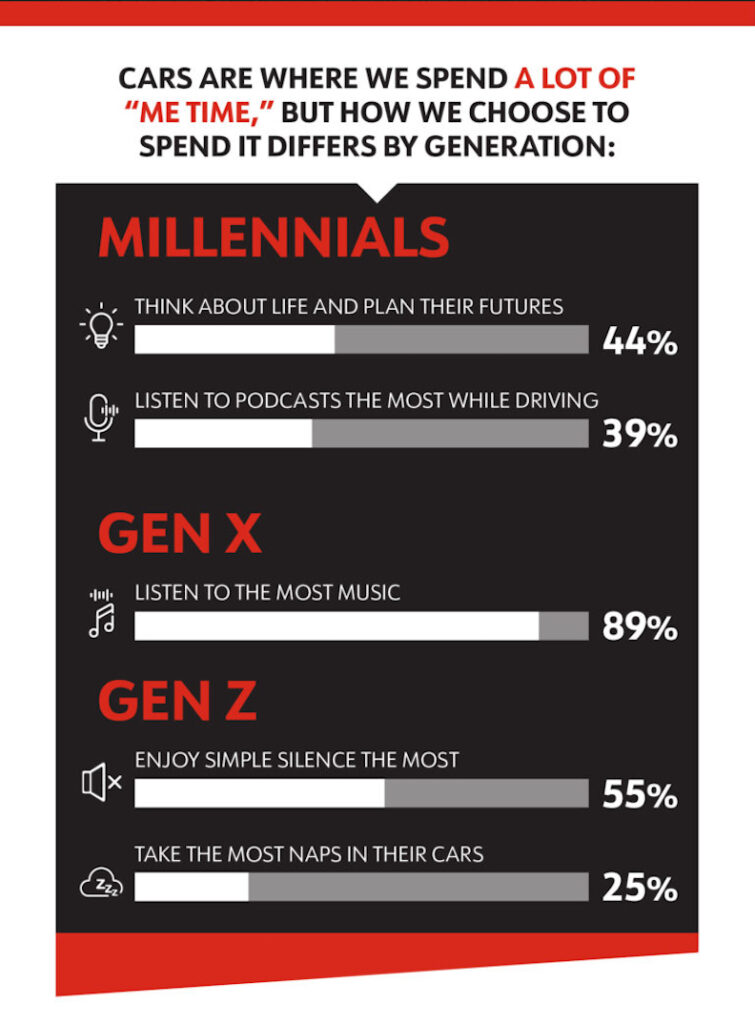
A new poll by Ziebart found Zoomers are the generation most likely to crave peace and quiet behind the wheel. 55% of Gen Z adults prefer complete silence when they drive. No podcasts. No playlists. No phone calls. Not even the gentle hum of NPR. Just the sound of rubber meeting road.
The poll looked at how different generations use their time in the car, and it turns out every age group has its own road time rituals.
Gen Z: Total silence
The poll didn’t look at why that’s the case, but here’s a guess. They think the radio is from the 1800s… think music should only be consumed through headphones… and/or they’re 24 and just got their driver’s license at 22. So they need zero distractions to avoid driving into a ditch.
Millennials: Chasing productivity
They’re the most likely to use drive time to plan their day, think about the future, or mentally run through their to-do lists. Basically, their brains are in full Google Calendar mode before they even hit the parking lot. They also listen to more podcasts than any other generation. (Probably ones on how to de-stress.)
Gen X: Still blasting those tunes
If you were born between ’65 and ’80, you’re probably still jamming out to your favorite music. A whopping 89% of Gen X respondents said listening to music is their go-to commute activity. Makes sense from the generation that had to wire a tape deck into their dad’s old Trans Am to listen to their Jane’s Addiction tapes.
Baby Boomers: ???
Boomers weren’t represented in the poll. But you can probably find them lecturing their GPS. Or if anyone from those other generations is riding shotgun, they’ll be reminiscing about when gas was under a dollar.
So whether your commute is a silent think tank, a mobile concert venue, or a motivational seminar on wheels, at least know you’re not alone in your habits. (But seriously, Gen Z. Turn that radio on. It’s free and sooooo throwback ’90s of you.)
You probably know at least one person who almost exclusively comments in emojis online… for better or worse.
And it’s probably “for worse” if you don’t like decoding all messages like it’s “Classic Concentration”.
In a recent study by Adobe, 91% of people say emojis make it easier for them to express themselves.
More than half of messages from Gen Z’ers or Millennials include at least one emoji. And Gen Z’ers estimate that 41% of their messages are only emojis.
14% of Gen Z’ers say they average more than 100 emojis a day. That declines for older adults. Only 2% of Boomers are that prolific.
But emojis can complicate communication too.
More than 70% of Gen Z and Millennials say they’ve received an emoji that did NOT match the emotion a person was trying to convey. And about two-thirds of Gen Z and Millennials admit that they’ve used emojis differently than their intended meanings.
Maybe you’re someone who’s somehow still holding out, and refusing to use them. But it would be a lot cooler if you did. 73% of American emoji users think people who use emojis are friendlier, funnier, and cooler than those who don’t.
In the latest entry into the “welcome to adulthood” chronicles, a Gen Z woman posted a tearful selfie captioned: “Just finished the first day of 9-5 in my life.” Within hours, the internet did what it does best: roast, relate, and reminisce.
If you’ve ever stumbled out of an office at 5:02 PM like you just completed basic training, this photo probably hit you square in the feels.
Boomers muttered “character building,” Millennials whispered “been there, sis,” and Gen X collectively shrugged while chain-smoking in the parking lot.
The comments section, however, was the real story. Here are some of the highlights:
“Keep your head up, it’s tough now but it only gets worse.”
“There’s a reason we’ve been calling it “happy” hour.”
“It doesn’t get better sweetie.”
“Hey so your soul will die sooner than your physical body so you won’t feel this much pain after 3-5 years or so. Hang in there.”
“Hey quuen! It only feels like this from age 22-26, then you just kinda accept the torture and it’s a lot better. Hope this helps.”
“1 day down, 40 more years to go!”
“Dissociation is key.”
“You go numb after a while babe, it’s okay.”
“Awww don’t worry girlie. There’s no light at the end of the tunnel.”
“Just wait! One day someone will bring in banana bread :)”
Do you remember how you felt after your first full day of work? Hopefully it was better than this poor girl.
Plenty of young people can begrudgingly admit when an older’s person’s take is spot-on. (You sure do like your parents’ old fashion choices anyway.)
So it’s only fair we take a break from badmouthing the kids to sing their praises every now and then. Here are the top five things Gen Z gets right.
1. Answering the phone is stupid.
Why are you calling me like it’s 1998? Unless you’re on fire or delivering tacos, text first. Gen Z knows that phone calls are chaotic, unplanned, and emotionally aggressive. There’s no transcript, no emoji tone indicators, and zero time to prepare. If you “just wanted to talk,” please book a slot via Google Calendar like a civilized human.
2. Don’t smoke weed. Eat it.
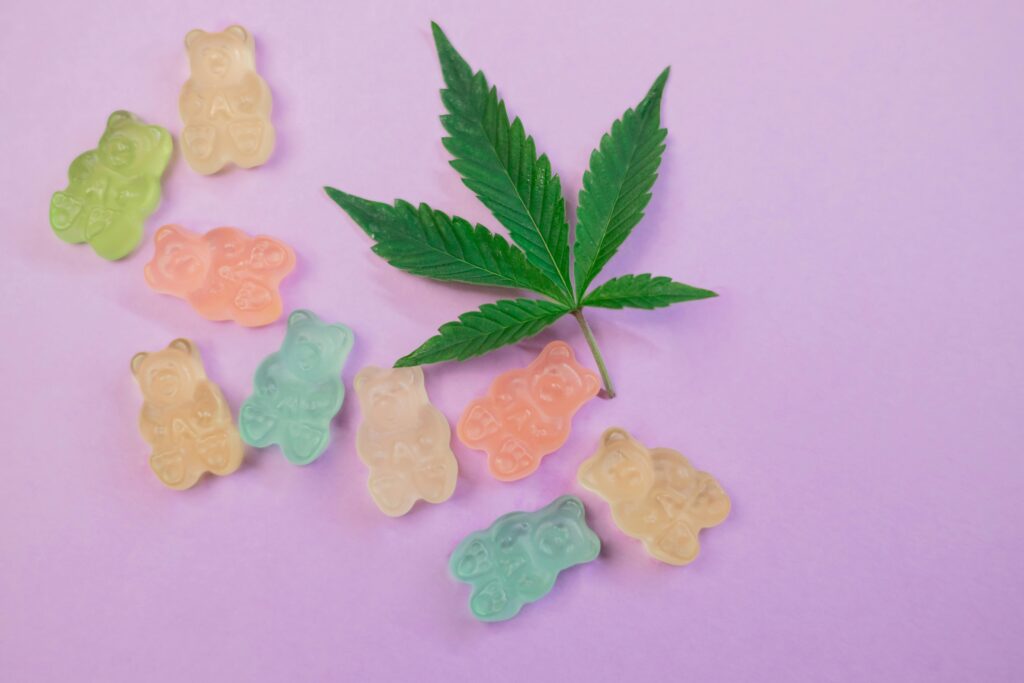
Gen Z figured out how to get high without smelling like a burnt couch cushion. Edibles are discreet, longer-lasting, and way easier on your lungs. You get the chill vibes without coughing your face off or setting off the smoke alarm. Honestly, it’s wellness-adjacent at this point. Martha Stewart does gummies. That’s all the endorsement you need.
3. Why pay for Netflix when you can steal it?
They tried to make password-sharing a crime. Gen Z turned it into a resistance movement. Let’s be real: If you’re gonna keep raising prices, making shows that are two seasons long, and forcing us to scroll past 17 versions of “Love Is Blind,” then yeah, we’re gonna hop on Aunt Linda’s login. It’s not theft, it’s digital resourcefulness. (Related news: Capitalism is slipping in the polls.)
4. Don’t judge people by the color of their skin. Judge them by the content of their old tweets.
Gen Z didn’t invent cancel culture, they just optimized it. Accountability isn’t about dragging people for sport. It’s about saying, “Hey, maybe you shouldn’t have tweeted that in 2011.” Skin tone has never been a sign of someone’s character, but your digital paper trail might be. Delete wisely.
5. If you have mental health issues, seek help.
It’s way better than marrying a Kardashian and becoming antisemitic. Therapy is not taboo anymore. Gen Z normalized talking about mental health like it’s just part of basic hygiene, because it is. Instead of spiraling in public and blaming fame, they’re journaling, meditating, and booking that BetterHelp session. Way cheaper than a Twitter apology tour.
6. That’s not skin. It’s a giant blank canvas.
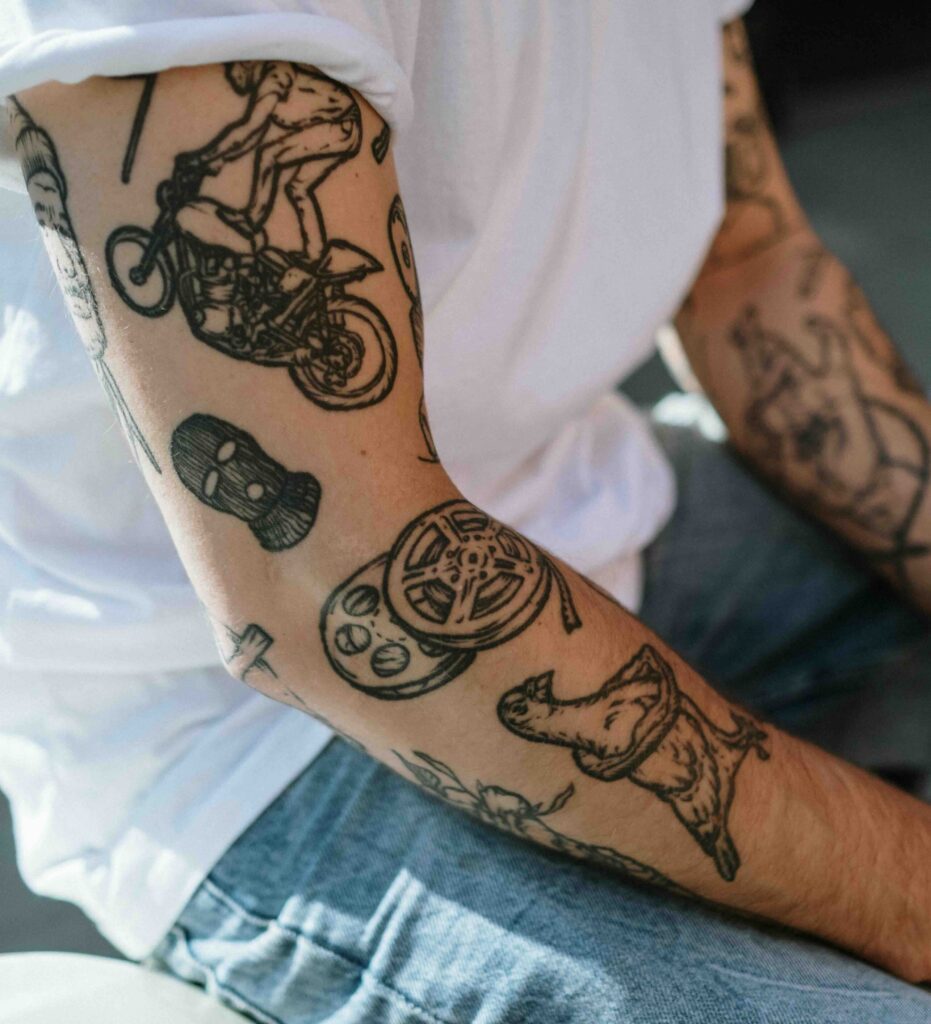
Every Boomer said, “You’ll regret that when you’re older.” And Gen Z replied, “I’d rather regret art than regret being boring.” Tattoos aren’t rebellion anymore. They’re fashion, therapy, and identity, all rolled into one. Also, they’re way easier to commit to than a career or a mortgage. So ink up.
7. Bisexuality increases your odds of getting laid.
Gen Z is more open about who they are. And statistically speaking, it’s a solid move. Twice the attraction radius, double the romantic possibilities, and way more dating app matches. They’re just not so stressed about rigid labels. It’s less about shocking grandma and more about being real with yourself. If it works, it works!
8. Forget the office grind.
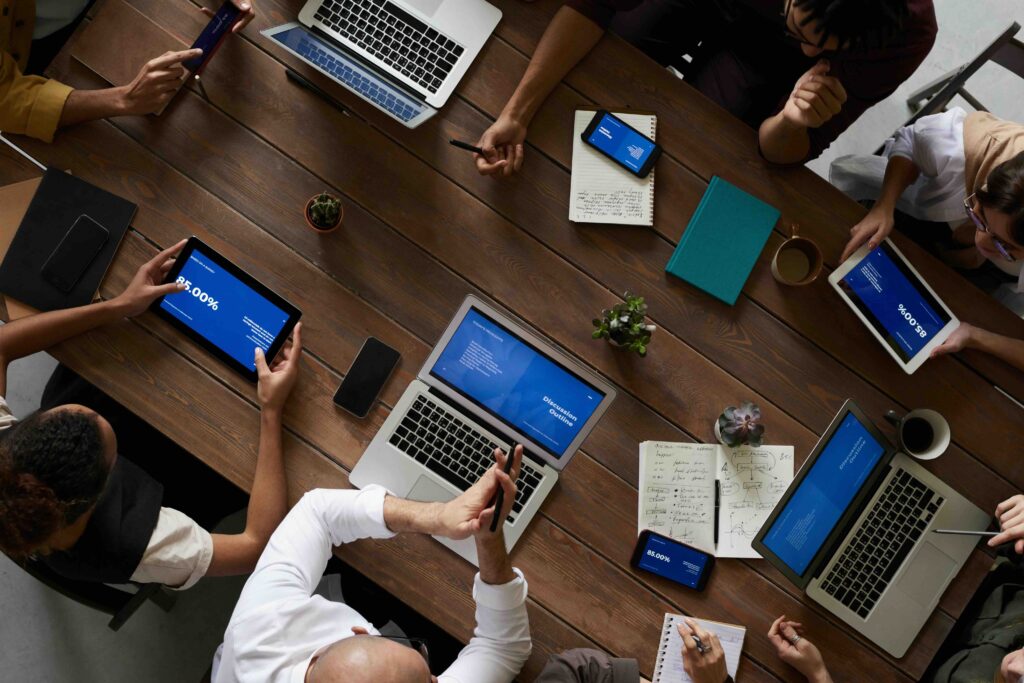
The 9-to-5 was never sacred. It was just the only option. Now? You can side hustle, protect your work/life balance… and post a few pics on OnlyFans if you’re so inclined – no meetings required! Gen Z figured out how to monetize what Boomers were too shy to even acknowledge. Capitalism gave them lemons, so they sold tasteful thirst traps and bought the lemonade factory. Now the only question is can they earn enough to pay the mortgage on that factory.
9. Marriage is pointless.
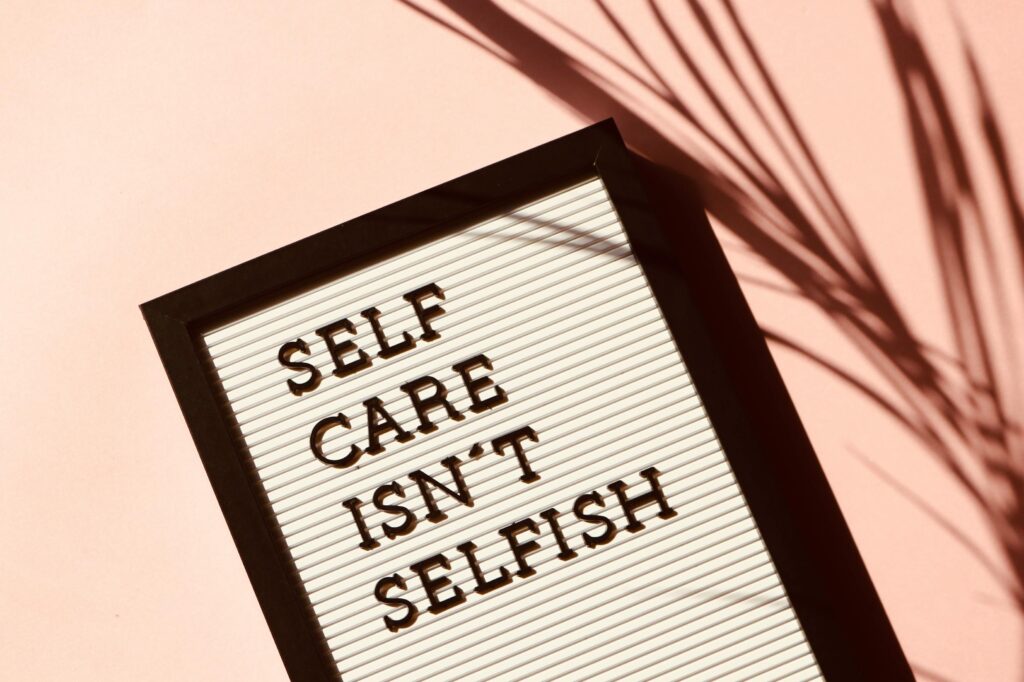
Gen Z isn’t anti-love, they’re just not pretending rings equal happiness. When half of marriages end in divorce and most people can’t afford a wedding or a house, maybe committing to yourself first isn’t so selfish after all. They’re rewriting what partnership looks like, and spoiler: it doesn’t always involve a courthouse or matching towels.
So if you’re not too sore from your latest tattoo (or too high from that second edible), give yourselves a pat on the back, Gen Z.
Like Gen X and Millennial babies before you, the freshest generation always gets hated on. (When Gen Alpha shows up and starts using “skibidi” and “67” in work meetings, you’ll understand.)
Keep being you, Gen Z. We like your style… except for those JNCO jeans. They were whack even in ’99.
For decades, people were told to “climb the corporate ladder.” But Gen Z is like, “Nah, we’re good. Ladders are wobbly. Also, an OSHA violation waiting to happen.”
Instead, they’re into something called the “career lily pad.” Picture it: instead of struggling rung by rung, you just hop around to whatever opportunity looks the comfiest at the time. (Fewer splinters, more frogs.)
An “expert” explains it like this: “We’ve traded the rigid ladder for lily pads… because hopping around is more sustainable, more realistic, and better suited for today’s workplace realities.”
Translation: “I’ll take the job that makes sense right now, and if something shinier comes along, I’m out.”
68% of Gen Z workers say they won’t even consider management unless it comes with big money or a fancy title.
57% of Gen Z already have a side hustle. (Compare that to 48% of Millennials, 31% of Gen X, and just 21% of Boomers, who apparently only side hustle when it’s coupon clipping.)
So no, Gen Z isn’t lazy… they’re just ambitious in different directions. For them, the 9-to-5 is just the investor for their passion projects.
And get this: Gen Z is still expected to make up about 10% of managers this year. They’re not against management… they just want to run things their way: more flexibility, more balance, less “micromanaging boss breathing down your neck.”
Experts even suggest older workers could learn from them:
Set real boundaries (no more “quick emails” at 11 PM).
Diversify your career moves.
Pick mental health over climbing corporate Mount Doom.
And hey, stop panicking about A.I., and use it instead of fearing it.
So yeah, the future of work might look less like climbing and more like a giant game of Frogger.