German Game Show Features Long-Distance Shopping Cart Returns

I tried this in a Kohl’s parking lot once and had to pay a guy $600 for denting Toyota Corolla.

German game show “Schlag den Star” (“Beat the Star”) has an excellent segment in which contestants must successfully return shopping carts from 30-50 feet away.

It took over 6,000 years, friends, but we may have finally reached peak civilization. How do we make this an Olympic sport?

Tim Burton Returns to Stop-Motion Animation for “Wednesday”

Tim Burton is proving that sometimes the tiniest things take the most time—especially if you’re making them move one frame at a time. He spent EIGHT MONTHS creating a 90-second stop-motion animation for the first episode of “Wednesday” Season 2, and he says it was a chance to return to the art form that launched his career.

If you’re not familiar with stop-motion, it’s the ultimate patience test. Artists hand-build sets and puppets, then photograph them one painstaking frame at a time, moving them ever so slightly between shots. The process is so slow that even a short scene can take weeks or months to complete—so eight months for a minute and a half is actually… pretty on brand for Burton.

For this sequence, Burton brought in the same team that worked with him on “Corpse Bride”. The scene follows a Nevermore Academy student who crafts a clockwork heart to replace his own—a perfectly eerie concept for a show that’s already dripping with gothic quirk. Burton even designed the puppet himself.

“It’s the kind of show where we get to play around with things,” Burton told The Hollywood Reporter.

“I went old school with it and kept telling the animators, ‘We need to pretend I’m back in my student days, doing it like I did at the beginning.’”

That “beginning” includes Burton’s early short film Vincent from 1982, a stop-motion ode to childhood imagination, Vincent Price, and the macabre. Fans have already noted the similarities in tone and style between that short and this new sequence. If you’ve never seen “Vincent”, it’s worth the six minutes of your life—it’s Burton in pure, unfiltered form.

While most big productions would lean on CGI for such a scene, Burton’s choice to go physical and tactile shows why his work still stands out. Stop-motion might be slow, but the result has a handcrafted charm that digital animation rarely matches. It’s the cinematic equivalent of hearing a vinyl record instead of a compressed MP3—you can feel the fingerprints on it.

And judging by the buzz among “Wednesday” fans, those eight months were well worth it. Now the only question is whether Burton will sneak more stop-motion moments into the season.

TV’s Cutest Cartoon Couples, From the Stone Age to the Distant Future

Love is in the air—cartoon air, that is. Whether they’re causing chaos, saving the world, or just making each other laugh, animated couples have been holding it down on our screens for decades. And now, Entertainment Weekly has listed their favorites.

This delightful roundup of animated romances includes everything from sitcom staples like Homer and Marge Simpson to more surprising pairings (yes, Scooby and Shaggy made the list). It’s a love letter to animated TV and all the weird, wild, and occasionally adorable duos who call it home.

Here’s who made the cut:

  1. Fred and Wilma Flintstone (“The Flintstones”) – The original stone-age sweethearts.
  2. George and Jane Jetson (“The Jetsons”) – The futuristic family couple with timeless bickering.
  3. Scooby and Shaggy (“Scooby-Doo, Where Are You!”) – Because bromances count too, especially ones based entirely on snacks.
  4. Homer and Marge Simpson (“The Simpsons”) – Somehow still going strong after 30+ seasons of absolute nonsense.
  5. Harley Quinn and Poison Ivy (“Harley Quinn”) – Gotham’s most chaotic couple, and an LGBTQ+ fan favorite.
  6. Cyclops, Jean Grey, and Wolverine (“X-Men: The Animated Series”) – A complicated triangle that gave ‘90s kids feelings.
  7. Hank and Peggy Hill (“King of the Hill”) – Low-key and practical, with just enough propane-fueled passion.
  8. Lois and Peter Griffin (“Family Guy”) – Wildly dysfunctional, but weirdly inseparable.
  9. Adora and Catra (“She-Ra and the Princesses of Power”) – Enemies to lovers, with glowing swords and intergalactic trauma.
  10. Leela and Fry (“Futurama”) – He’s a lovable doofus, she’s a one-eyed badass—classic opposites attract.
  11. Scott Pilgrim and Ramona Flowers (“Scott Pilgrim Takes Off”) – A Netflix reboot brought their complicated love story back to life, again.
  12. Bob and Linda Belcher (“Bob’s Burgers”) – Probably the most relatable couple on the list. Supportive, silly, and fueled by burgers.
  13. Diane Nguyen and Mr. Peanutbutter (“BoJack Horseman”) – Not exactly #relationshipgoals, but certainly memorable.
  14. Kim Possible and Ron Stoppable (“Kim Possible”) – Saving the world between math class and prom.

Notably, Entertainment Weekly didn’t rank them officially—but this is the order they presented them in, so read into it as you will.

Whether you’re a fan of heartwarming loyalty, dysfunctional chaos, or endearing awkwardness, this list has a couple for every cartoon-loving soul. Who knew animated love could be so… animated?

The 15 Greatest Sci-Fi Shows of All Time

If you’ve ever argued with a friend over whether “Star Trek” or “Doctor Who” reigns supreme, Entertainment Weekly just entered the chat.

The magazine dropped its ranking of the 30 best sci-fi TV shows ever, and they didn’t hold back. From time travel to robot rebellions, here’s their Top 15, loaded with genre-defining legends and a few bold picks that might just start some fights in the group chat.

1. The Twilight Zone (1959–1964)

Rod Serling’s eerie anthology still holds the crown. It’s the blueprint for twist endings, moral fables, and nightmares you didn’t know you had.

2. Battlestar Galactica (2003–2009)

Space politics, identity crises, and killer robots—what more could you want? The reboot nailed gritty sci-fi way before it was trendy.

3. Doctor Who (1963–present)

Sixty years of time-traveling chaos and still going strong. Whether you’re Team Tennant or rooting for the latest Doctor, it’s impossible to ignore the show’s impact.

4. Star Trek (1966–1969)

Boldly going where no show had gone before. The OG Trek sparked a whole universe and inspired generations of sci-fi fans (and real-life tech inventors).

5. Mystery Science Theater 3000 (1988–2022)

A show about watching bad movies with wisecracking robots? It’s meta before meta was cool, and it somehow still works.

6. Star Trek: The Next Generation (1987–1994)

Captain Picard sipping tea while saving the galaxy? Iconic. This series made Trek feel cerebral and fresh again.

7. The X-Files (1993–2002, 2016–2018)

Aliens, conspiracies, and one of TV’s all-time best duos. Mulder and Scully made being paranoid look cool.

8. Firefly (2002)

Short-lived but beloved. Firefly is the cult classic that launched a thousand fan petitions and taught us all to aim to misbehave.

9. Lost (2004–2010)

It started as a survival show and turned into a cosmic puzzle box. Love or hate the ending, it was must-see TV for six wild seasons.

10. Quantum Leap (1989–1993)

Time travel meets heartwarming drama. Sam Beckett’s leaps taught life lessons with every episode.

11. Black Mirror (2011–present)

Terrifying tech futures that feel way too possible. This anthology is today’s Twilight Zone—just with more social media anxiety.

12. Orphan Black (2013–2017)

Tatiana Maslany playing a dozen versions of herself? Yes, please. A masterclass in sci-fi storytelling and acting.

13. Severance (2023–present)

A fresh face on the list, but already a game-changer. Office life has never felt so dystopian—or weirdly addictive.

14. Person of Interest (2011–2016)

Surveillance, A.I., and ethics wrapped in a killer procedural. This one aged like fine futuristic wine.

15. Westworld (2016–2022)

Robots having existential crises in a Wild West theme park. It got complicated, sure—but the early seasons were lightning in a bottle.

Movies and TV Shows From the ’90s That Have Aged Like Milk

The 1990s gave us some iconic TV shows and movies—but let’s be real, not all of them have stood the test of time. According to Buzzfeed readers, a few beloved classics haven’t exactly aged like fine wine. Whether it’s problematic jokes, outdated storylines, or just plain cringe, here are some throwback titles people say hit differently in 2025.

1. Seinfeld
This sitcom was legendary for its “show about nothing” premise, but not every gag flies today. One reader called out the episode where Jerry is possibly assaulted by his dentist while under anesthesia—a scenario that was treated as a punchline.

      2. Doogie Howser, M.D.
      Remember when we were all charmed by the idea of a teenage doctor? Yeah, turns out the early episodes feature some incredibly questionable adult behavior toward said teenage doctor. One viewer pointed out that the first two episodes involve adult women either seducing or trying to get pregnant by him. Uh, yikes.

      3. Will & Grace
      Despite being groundbreaking at the time for featuring gay lead characters, the humor hasn’t aged well for everyone. One reader said they felt their queerness was reduced to a punchline, with storylines reinforcing that being gay meant being either “silly” or “sad and alone.”

      4. Friends
      Still one of the most-streamed shows today, but the list of issues is long: a parade of fat jokes, casual homophobia, Ross dating a student and trying to kiss his cousin, plus the infamous episode where the gang dumps a friend for getting sober. Chandler’s dad being played as a punchline for her gender expression didn’t help either.

      5. The Fresh Prince of Bel-Air
      Even this feel-good favorite isn’t immune. One person tore into Uncle Phil, saying he was portrayed as pro-Black while simultaneously ashamed of his humble roots. They also criticized how he blamed Will for just about everything and tried to control his daughters’ choices—like forbidding Hilary to pose for Playboy.

      6. Mrs. Doubtfire
      Robin Williams is unforgettable in the role, but modern viewers have flagged the film for transphobic undertones and the unhealthy dynamic of making kids lie to their mom about their dad’s double life in disguise.

      Moral of the story? Nostalgia is fun—but sometimes it’s worth rewatching your faves with fresh eyes.

      The General Lee Lives! “Dukes of Hazzard” Stunt Recreated in Spectacular Fashion

      If you’ve ever dreamed of watching the General Lee fly through the air like it did every week on “The Dukes of Hazzard”, you’re in luck—because it just happened. For real.

      On Saturday, a stunt driver launched a replica of the iconic orange Dodge Charger 150 feet through the air in downtown Somerset, Kentucky, recreating a classic TV moment with a very real risk of disaster. The car soared over the city’s fountain square as part of the Somernites Cruise, a massive classic car show now in its 25th year.

      And yes, the landing was exactly what you’d expect from a car that just flew a third of a football field.

      The General Lee slammed into the ground, bounced a few times, shed its back bumper and a door, and nearly clipped a cameraman. Because nothing screams authentic like a flying car barely missing a guy with a camcorder.

      The daredevil behind the wheel was Raymond Kohn, a stuntman known for his work with the Northeast Ohio Dukes. He’s done these kinds of jumps before, all in tribute to the TV show’s over-the-top stunts—and, let’s be honest, physics-defying nonsense.

      About 35,000 people showed up to watch the jump, turning Somerset into a scene straight out of Hazzard County. Making things even more nostalgic, actors John Schneider and Byron Cherry, a.k.a. Bo and Coy Duke, were also on hand, signing autographs and snapping photos with fans.

      The event quickly went viral, with clips of the jump making the rounds online, and it’s easy to see why. Between the flying muscle car, the roaring crowd, and the brush with bodily harm, it’s pure internet gold—and a throwback for anyone who grew up watching the Duke boys outwit Boss Hogg.

      So You Wanna Be on “AGT”? Get Ready to Be Roasted on National TV

      If you’ve ever dreamed of auditioning for “America’s Got Talent”, get ready to leave your ego at the door – and maybe pack some thick skin while you’re at it.

      Now in its 20th season, the hit reality show isn’t just about talent and standing ovations. According to “People”, the contestant contract includes a clause stating that your appearance may be, quote, “disparaging, defamatory, embarrassing, or of an otherwise unfavorable nature.” Translation? The show has full permission to roast you on national TV.

      That might sound harsh, but it’s standard fare in the world of reality competitions. It’s likely why reality show “villains” don’t usually run off to sue for hurt feelings. Public ridicule is part of the package, and if you’re not cool with being edited into a meme, you probably shouldn’t sign on the dotted line.

      But that’s not the only fine print hopefuls should know. Here are a few other behind-the-scenes rules contestants agree to:

      • You’re not the boss of your song choices. Even the most gifted singers collaborate with producers to select tracks that suit their voice and meet licensing requirements.
      • Wardrobe is a team effort. Once you’re on the live shows, producers help choose your performance outfits . . . goodbye, lucky sweater.
      • Props and pets need a green light. Any stunts involving animals or stage tricks have to be approved ahead of time for safety reasons.
      • It all starts with a 90-second audition. Every act, no matter how polished they look on TV, first goes through an open call audition that’s over in less time than it takes to microwave popcorn.
      • You’re not getting rich (yet). Contestants don’t get paid to appear, but the show does cover living expenses, so at least there’s that.

      Whether you’re a magician, singer, or a guy who juggles flaming lawn chairs while riding a unicycle (there’s always one), just know this: AGT wants you to shine—but it’s not afraid to let you flop either. All in the name of great TV.

      No Mercy: Martin Kove Bit His “Cobra Kai” Co-Star at a Fan Convention

      This is not how Sensei Kreese was supposed to strike first.

      In what might be the weirdest thing to happen at a fan convention lately, “Cobra Kai” star Martin Kove was reportedly kicked out of an event in Washington on Sunday after biting his co-star Alicia Hannah-Kim.

      That’s right. He bit her.

      Kove, 78, is best known for playing the no-mercy dojo master John Kreese in “The Karate Kid” and “Cobra Kai”. Hannah-Kim, who plays fellow villainous sensei Kim Da-Eun, says she was walking past him when he suddenly grabbed her arm and chomped down. According to her police report, the bite was hard enough to leave a visible bruise and nearly broke the skin.

      And as if that wasn’t bizarre enough, she says he then kissed her arm—y’know, like that makes it better?

      Hannah-Kim didn’t press charges, but she did file a report and take photos. She also claims that when she calmly told him what he did was unacceptable, he got angry and insisted he’d done it “for fun.”

      Kove later apologized, but only after the police showed up and asked him to leave.

      Fun fact: One of Bill Hader’s first jobs in Hollywood was driving Kove around. He talked about it on Marc Maron’s podcast and didn’t exactly paint Kove in the nicest light. 👀

      Was Joey from “Friends” a Copy of Joey from “Blossom”?

      Could one of the most iconic sitcom characters of the ‘90s have started out as a copy?

      According to Joey Lawrence, the answer is yes. In a recent interview, the Blossom star claimed that Matt LeBlanc’s beloved Friends character, Joey Tribbiani, was directly inspired by his own role as Joey Russo—a similarly dim-witted but charming ladies’ man.

      “Joey Russo was so successful that when they were creating Friends, they wanted a 25-year-old version of that,” Lawrence said.

      He even alleges that Matt LeBlanc was sent to live tapings of Blossom, where he’d sit in the audience with a yellow legal pad and study Lawrence’s performance—focusing on how he brought a certain innocence to the character. The idea, he claims, was to give Tribbiani the same likability that would let him “get away with his womanizing.”

      Perhaps most surprisingly, Lawrence says the Friends creators changed the character’s name to Joey as a direct nod to Blossom’s popularity at the time. NBC’s Blossom wrapped its five-season run just a few months before Friends premiered in 1994.

      Neither NBC nor the creators of Friends have commented on the claims. Matt LeBlanc, for his part, has never publicly acknowledged Blossom as a reference point.

      How Did Pee-wee Herman Come Up with His Name?

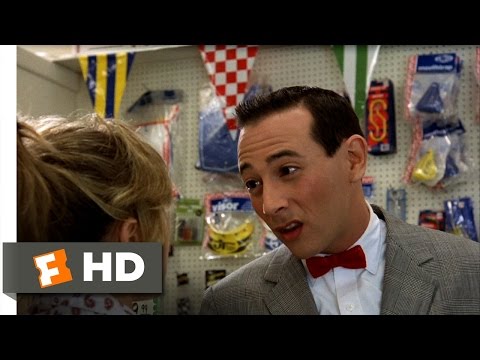
      HBO’s new documentary “Pee-wee as Himself” offers fans a deeply personal look into the life and legacy of Paul Reubens—better known to the world as Pee-wee Herman. And among the many revelations is the origin of the now-iconic character’s name.

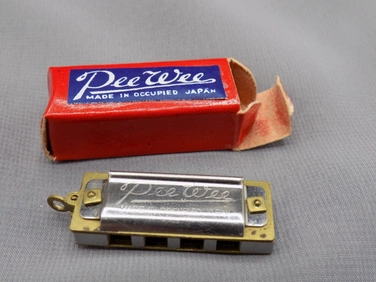
      Reubens shares that the quirky moniker “Pee-wee Herman” was inspired by a a musical instrument.

      “Pee-wee” was a harmonica?

      He says the name was inspired by a tiny harmonica labeled “Pee Wee,” as well as the last name of a boisterous childhood friend. That random but memorable pairing ultimately helped shape one of pop culture’s most enduring oddballs.

      Beyond the whimsical surface, the documentary also explores a much more private and poignant part of Reubens’ life—his decision to retreat from public openness about his sexuality.

      He reveals he had a serious long-term relationship with a man named Guy during the 1970s. After the relationship ended, Reubens made a painful choice to go “back into the closet,” fearing that being openly gay would derail his career.

      “I was as out as you can be,” he says in the film. “And then I went back in the closet. My career absolutely would have suffered if I was openly gay. So I went to great lengths for many, many years to keep it a secret.”

      For decades, Reubens was one of television’s most recognizable figures thanks to the success of “Pee-wee’s Playhouse”, the feature film “Pee-wee’s Big Adventure”, and his beloved alter ego’s unique blend of absurdity and innocence. But the pressures of the industry—especially during a less accepting era—forced him to suppress his full identity.

      “Pee-wee as Himself” not only chronicles Reubens’ creative genius but also gives overdue space to the man behind the bowtie and bicycle. It’s a touching reminder of the costs artists sometimes bear to protect their careers, and the cultural shifts that, thankfully, have made such choices less necessary for today’s entertainers.

      With this documentary, fans are offered more than nostalgia. They’re given an honest, sometimes painful, but ultimately inspiring portrait of a man who made the world laugh—while hiding a part of himself to do so.

      Exit mobile version