It sounds like the start of a Marvel movie, but nope, this one’s real: A wasp nest contaminated with radiation was recently discovered near a nuclear facility in South Carolina.
The Department of Energy confirmed that a radioactive nest was found on July 3rd just outside the Savannah River Site, a sprawling Cold War-era nuclear facility located near the Georgia border.
The site, which once produced plutonium for the U.S. military, has long been associated with leftover radiation, often referred to as “legacy contamination.”


“Moderately high” levels of radiation detected
Tests showed the nest was emitting 100,000 disintegrations per minute (DPM)—a term used to measure radioactive decay. That number puts it in the “moderately high” range, though it’s still far below the kind of levels you’d see in something catastrophic like Chernobyl.
Officials were quick to clarify there’s no active leak or immediate danger to the public.
So how did the wasps become radioactive?
No one’s sure, but the insects may have picked up old contaminants while building the nest, possibly from soil or materials around the aging nuclear facility.
While it sounds horrifying, this isn’t the first time nature has had an awkward meet-cute with radioactive leftovers. Similar incidents have occurred over the years, usually involving small animals or plant life near long-decommissioned nuclear sites.
In response, crews treated the nest like any other radioactive waste. They sprayed it down and disposed of it according to nuclear safety protocols.
The nest is gone, but the wasps are still M.I.A.
One weird detail: A local report said the nest didn’t contain any actual wasps when it was found. That’s either a relief—or a setup for the sequel, where the mutant wasp swarm emerges. (We’re half-kidding. Probably.)
The story is a strange reminder of the long environmental shadow cast by Cold War nuclear production. While the situation sounds alarming, energy officials and local authorities maintain there’s no reason to think there’s an ongoing leak or elevated risk to people nearby.
So no, you don’t need to stock up on wasp spray and hazmat suits just yet. But if you live in the area and hear a suspicious buzzing sound… maybe stay inside.

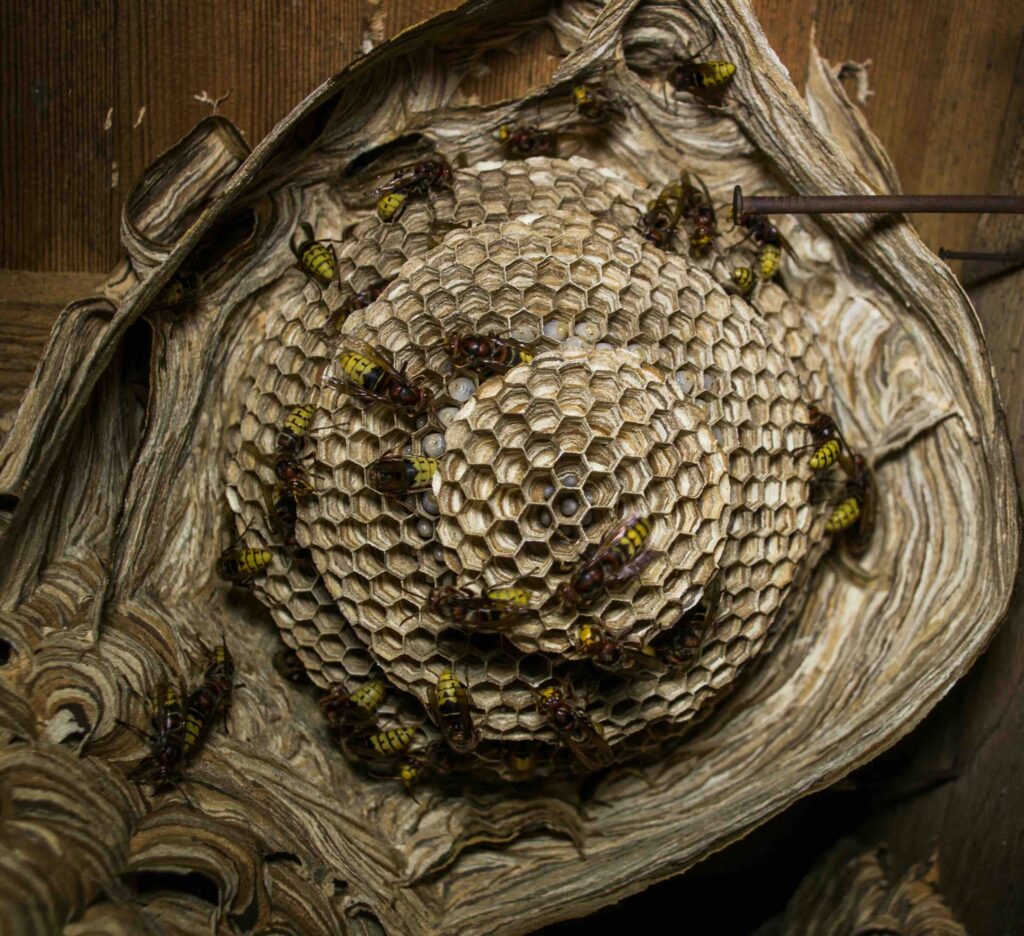
Photo by David Hablützel